
Are you sick of being bombarded with the line about how you cannot earn good money without a four-year college degree? Think again. The blue collar jobs that pay high are not following any of the old rules in the year 2026. Most talented employees are now making above one hundred thousand dollars, never having to work years in a classroom or incurring student loan debt.
As a matter of fact, even certain blue collar jobs are more well remunerated than most white collar jobs in offices. You like to work with your hands, repair machines, create something or run heavy machinery, there is a high-paying job available to you. This list includes the 15 highest paying blue collar jobs to get in the year 2026 and how much they pay in the list. Let’s dive in.
What are blue-collar jobs?
Blue-collar jobs refer to jobs that deal with physical labour. These are normally carried out at various locations such as factories, construction sites, power plants, oil fields or at the homes of people. Employees in the sector repair, construct things, operate machines or install systems. The term “blue-collar” originated because manual workers historically wore durable blue uniforms or work shirts.
In the United States, core skilled trades—such as electricians, plumbers, mechanics, welders, HVAC technicians, carpenters and construction workers—employ around 5.6 million workers. Together, these occupations generate approximately $1.3 trillion in annual economic activity, highlighting the significant role that skilled trades play in supporting the country’s infrastructure, manufacturing and construction sectors.
These careers are often accessed through technical training, apprenticeships, certification programs or trade school education. Training typically takes one to four years, compared with the four to five years required for many college degrees. Many blue-collar occupations offer competitive salaries, strong job security, benefits and consistent year-round employment due to the constant demand for skilled labour.
Why Blue Collar Jobs Are Becoming High Paying
There are several reasons why the highest-paying blue-collar jobs are increasing in demand and remuneration:
- Shortage of skilled workers: Firms are not finding enough skilled workers to occupy vacant posts and this has made firms pay higher salaries to lure talent.
- Trade school benefit: Employees join the workforce sooner and with less debt compared to college graduates because they have an edge at the start of their earning years.
- Essential services: No matter the state of the economy, most blue-collar jobs, such as electricity, plumbing and HVAC, are always needed.
- Greying labour force: There are several mature professionals in the labour force who are retiring leaving a colossal void, which can be occupied by new employees at a higher pay.
- Growth in technology and energy: New technologies such as wind power, nuclear energy, and smart construction are yielding new and highly paying trade jobs.
Quick List: Highest Paying Blue Collar Jobs
| Rank | Job | Median Annual Salary |
| 1 | Elevator Installer and Repairer | $99,000 – $130,000 |
| 2 | Electrical Power Line Installer | $85,000 – $120,000 |
| 3 | Power Plant Operator | $80,000 – $115,000 |
| 4 | Construction Manager | $98,000 – $130,000 |
| 5 | Aircraft Mechanic | $75,000 – $110,000 |
| 6 | Nuclear Technician | $85,000 – $115,000 |
| 7 | Commercial Pilot | $99,000 – $150,000+ |
| 8 | Oil Rig Worker | $75,000 – $120,000 |
| 9 | Crane Operator | $65,000 – $105,000 |
| 10 | Wind Turbine Technician | $60,000 – $100,000 |
| 11 | Industrial Electrician | $70,000 – $105,000 |
| 12 | Plumber | $65,000 – $100,000 |
| 13 | HVAC Technician | $60,000 – $100,000 |
| 14 | Specialized Welder | $65,000 – $105,000 |
| 15 | Railroad Engineer | $70,000 – $110,000 |
15 Highest Paying Blue Collar Jobs in America for 2026
1. Elevator Installer and Repairer
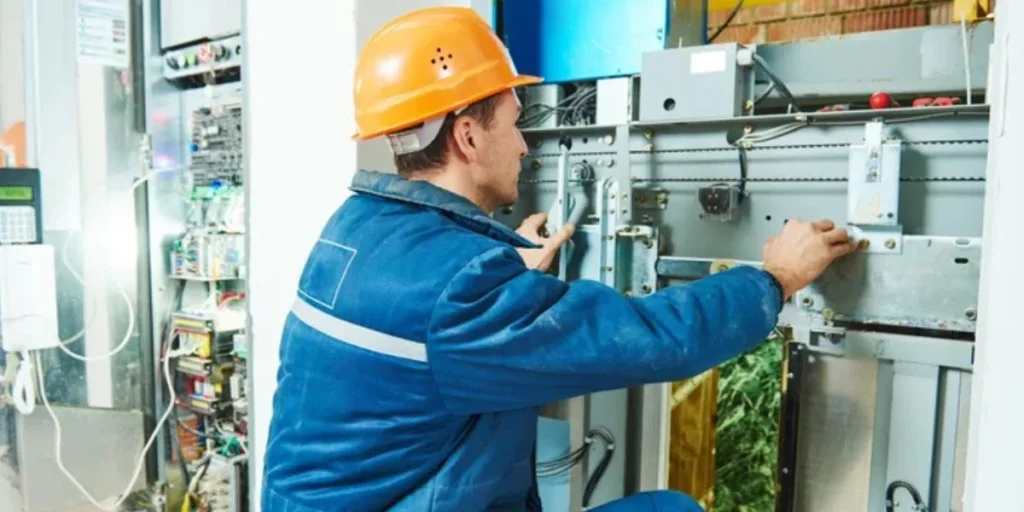
The installers of elevators and the repairers are among the highest paying blue collar jobs in America. They put up, repair, and have maintenance on elevators, escalators and moving walkways in structures. This is a position that needs good electrical and mechanical skills. Strict safety rules should be adhered to by the workers since the work is based on heights and heavy equipment.
Apprenticeships are used to train and take four to five years. Employment opportunities in this profession are increasing due to the construction of more structures as well as modernization of the already existing lifts. It is a blue collar job with one of the highest pay rates that regularly exceeds the $100K threshold even among middle-aged employees.
- Primary duties: Install, maintain, and repair elevators and escalators in commercial and residential buildings.
- Typical pay: $99,000 to $130,000 per year.
- How to get in: Complete a 4–5 year apprenticeship through the International Union of Elevator Constructors (IUEC).
Also Read:
2. Electrical Power Line Installer
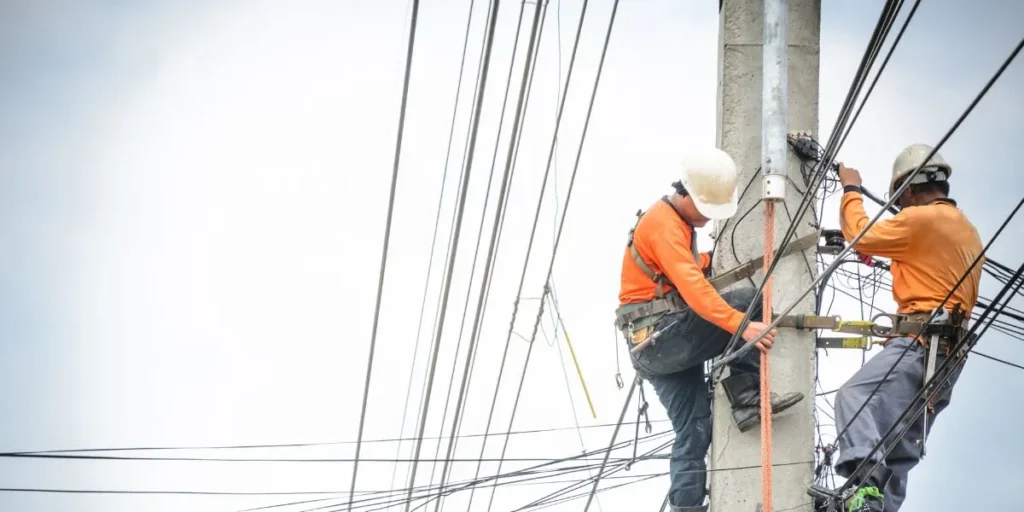
Millions of homes and businesses have their lights on thanks to electrical power line installers and repairers. They install high voltage power lines, installing new lines or repairing old ones following storms and power outages. It is hazardous work, requiring some work on high poles and close to high voltage electric current, and hence the wages are very good.
Employees spend most hours of their working days outside in every weather. A majority of them jump into the field by way of an apprenticeship program by a utility company or union. It is among the best paying blue collar jobs that have tremendous overtime opportunities especially at the storm season and peak period.
- Primary duties: Install, maintain, and repair high-voltage electrical power lines and cables.
- Typical pay: $85,000 to $120,000 per year.
- How to get in: Apply for a utility company apprenticeship or join the International Brotherhood of Electrical Workers (IBEW).
3. Power Plant Operator

The operators of power plants operate the equipment that produces electricity for entire cities. They check equipment such as turbines, generators and reactors to ensure that everything is running safely and efficiently. The work demands a good understanding of complex systems and the ability to respond quickly during emergencies. Many power generation plants operate 24 hours a day, so shift work is common.
Employees are typically trained through on-the-job experience or technical training programs. It is considered one of the highest paying blue collar jobs because of the level of responsibility involved. Strong concentration and solid technical understanding are essential skills for this role.
- Primary duties: Monitor and control machinery that generates and distributes electric power.
- Typical pay: $80,000 to $115,000 per year.
- How to get in: Get hired as a trainee at a power company, or complete a vocational energy program plus pass required licensing exams.
4. Construction Manager

Construction managers are the individuals responsible for ensuring the construction projects are completed on schedule, within the budget, and safely. They oversee employees, audit plans, place orders and address issues on a daily basis. Although there are degree-educated construction managers, most of them got their way up the hierarchy ladder starting as skilled trade workers such as a carpenter, electrician or plumber.
Practical knowledge is much in such a profession. It is among the most-paying blue collar work with rewards that are given to individuals who have been found to be deserving at the workplace. Managers in large commercial projects such as hospitals, schools and office buildings usually receive good salaries.
- Primary duties: Plan, coordinate, and supervise all activities on a construction site from start to finish.
- Typical pay: $98,000 to $130,000 per year.
- How to get in: Start as a tradesperson, gain experience, earn certifications like PMP or CCM, and work up to management.
5. Aircraft Mechanic
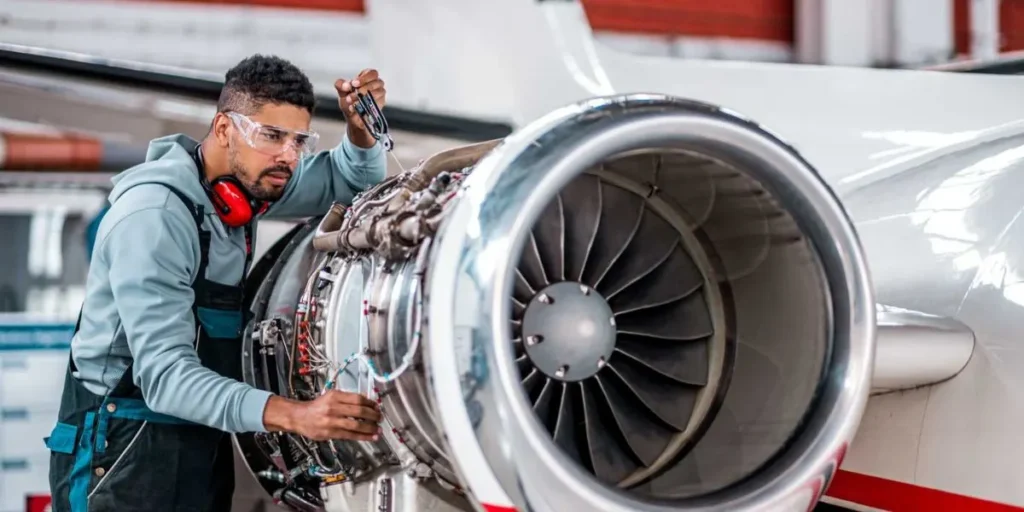
Planes would not be safe to fly without the aircraft mechanics who ensure the plane engines and systems are inspected, repaired and maintained. It is a very specific task, as the most important consideration here is safety because people depend on it. The employees should undergo FAA certification tests and renew their knowledge with the changing aircraft technology.
The aircraft mechanics are employed in airports, military bases and maintenance facilities. The employment is usually accompanied by immense rewards such as travelling allowances. It is one of the Highest Paying Blue Collar Jobs in the transport sector. The skilled employees who have special jobs like avionics or turbine engines may receive more than average wages.
- Primary duties: Inspect, repair, and maintain aircraft engines, components, and systems to ensure airworthiness.
- Typical pay: $75,000 to $110,000 per year.
- How to get in: Attend an FAA-approved aviation maintenance technician school, then pass FAA written and practical exams.
6. Nuclear Technician
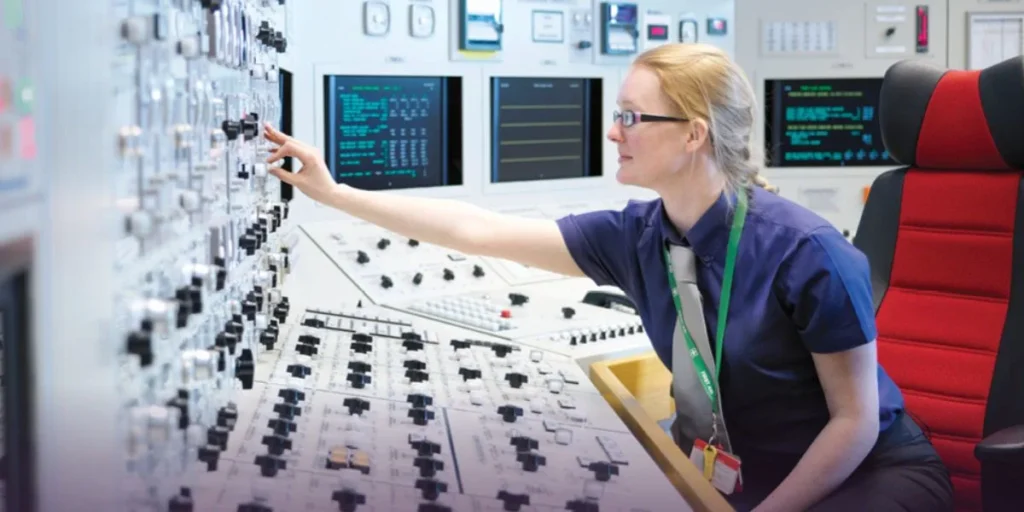
Nuclear technicians are employed in nuclear power plants and research facilities and assist in the operation of nuclear reactors and in monitoring radiation levels for workers and the general public to ensure safety. They also support nuclear engineers and physicists by gathering data, conducting tests and servicing equipment. The job usually requires a two-year associate degree or specialized technical training, and employees are often required to pass background checks and obtain security clearance.
It is considered one of the highest paying blue collar jobs for individuals who are interested in science and technology but may not want to spend four years in college. The nuclear industry places a strong emphasis on safety, and technicians are well compensated for their expertise, responsibility and attention to detail.
- Primary duties: Operate nuclear reactor equipment, monitor radiation, and collect data for safety and energy production.
- Typical pay: $85,000 to $115,000 per year.
- How to get in: Complete a 2-year nuclear technology program at a community or technical college, then apply to a nuclear power facility.
7. Commercial Pilot

Commercial airplane pilots operate charter flights, passengers, and cargo on scheduled flights on behalf of airline and charter companies, as well as individual clients. It takes flight school, hundreds of flying hours and several FAA exams to become a commercial pilot but no four year degree is actually mandatory in regional carriers. Most pilots begin with a private pilot license and make it through the ranks.
It is among the highest paid blue collar jobs particularly to pilots associated with major airlines as they are able to earn much more than $150,000 annually once they have experience. There is a huge shortage of pilots in the United States, and demand is higher now than ever before with qualified pilots and the pay is on the increase.
- Primary duties: Operate aircraft to transport passengers or cargo safely over short and long distances.
- Typical pay: $99,000 to $150,000+ per year.
- How to get in: Enroll in a flight school, earn your commercial pilot license, build flying hours, then apply to regional or major airlines.
8. Oil Rig Worker
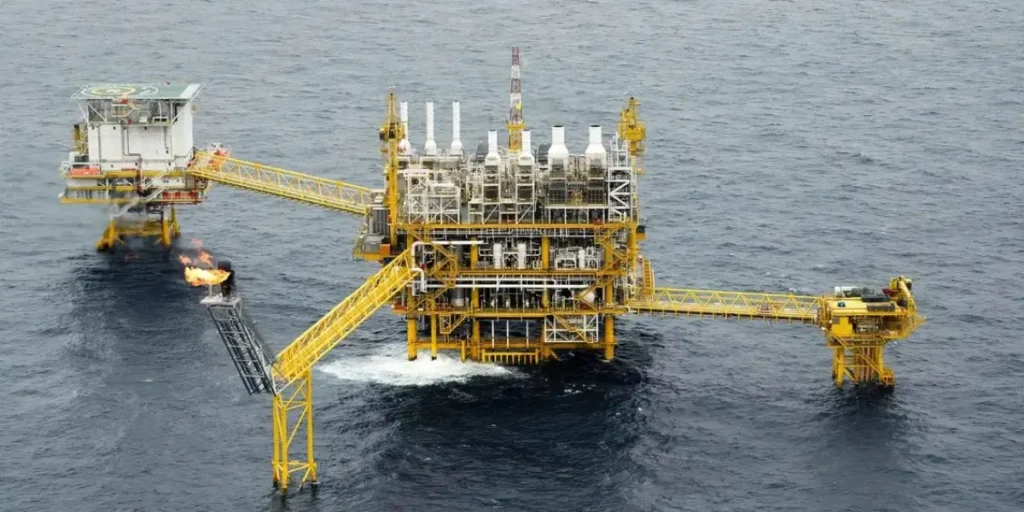
Workers on oil rigs drill for oil and gas using platforms that may be located offshore or onshore. The job is physically demanding and often requires long shifts, sometimes working two weeks on the rig followed by two weeks off. Because of the tough conditions and remote locations, the job offers high pay to compensate for the challenges.
Employees can start in entry-level positions and gradually move up to higher-paying roles such as operators or supervisors. It is considered one of the highest paying blue collar jobs for people who are willing to work hard and spend time away from home. The oil and gas industry also often provides additional benefits such as housing and meals while on duty.
- Primary duties: Operate and maintain drilling equipment and machinery on oil and gas extraction sites.
- Typical pay: $75,000 to $120,000 per year.
- How to get in: Apply for entry-level “roughneck” positions with oil companies; most provide on-the-job training and certification.
9. Crane Operator
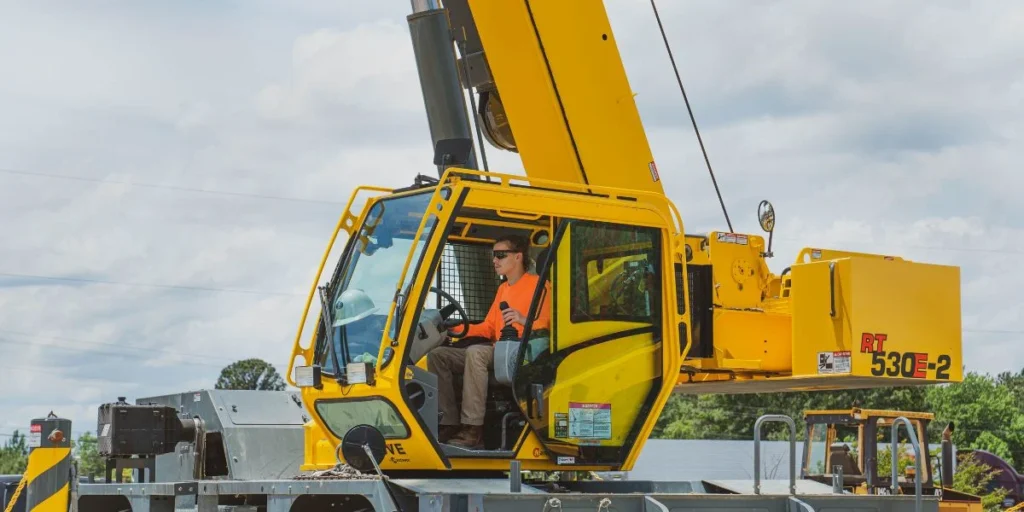
The heavy lifting machinery is operated by crane operators in construction sites, shipping ports and manufacturing plants. The transportation of steel beams, bits of concrete and massive containers involves accuracy, attention and training. One error may result in the loss of lives, hence, the high remuneration of crane operators.
The larger number of workers are licensed by apprenticeship or trade school, and have to pass state certification exams. Crane workers that work in big infrastructures such as bridges and skyscrapers earn the highest amount. This has always been ranked as one of the best paying blue collar jobs in the construction and logistics sectors. Membership in a union frequently increases very high remuneration and benefits.
- Primary duties: Operate cranes and hoisting equipment to lift and move heavy materials at work sites.
- Typical pay: $65,000 to $105,000 per year.
- How to get in: Complete an apprenticeship through the International Union of Operating Engineers (IUOE) and obtain a crane operator certification.
10. Wind Turbine Technician

Wind turbine technicians, also known as wind techs, install, inspect and repair wind turbines. It is also among the rapidly expanding professions in America as the nation shifts to clean energy. It will include putting up and down tall turbines (up to 300 feet and beyond) and working in any weather. The majority of the workers are taken through a two year technical course and are trained on the job.
One of the best paying blue collar jobs boasting of an extremely high rate of employment growth is the wind turbine technician. According to the U.S Bureau of Labor Statistics, this line of work is expanding at a higher pace than the general rate. Due to an increase in the construction of wind farms across the nation, the demand in competent techs is growing exponentially.
- Primary duties: Install, maintain, and repair wind turbines, including electrical and mechanical systems.
- Typical pay: $60,000 to $100,000 per year.
- How to get in: Complete a 2-year wind energy technology program at a community or technical college.
11. Industrial Electrician
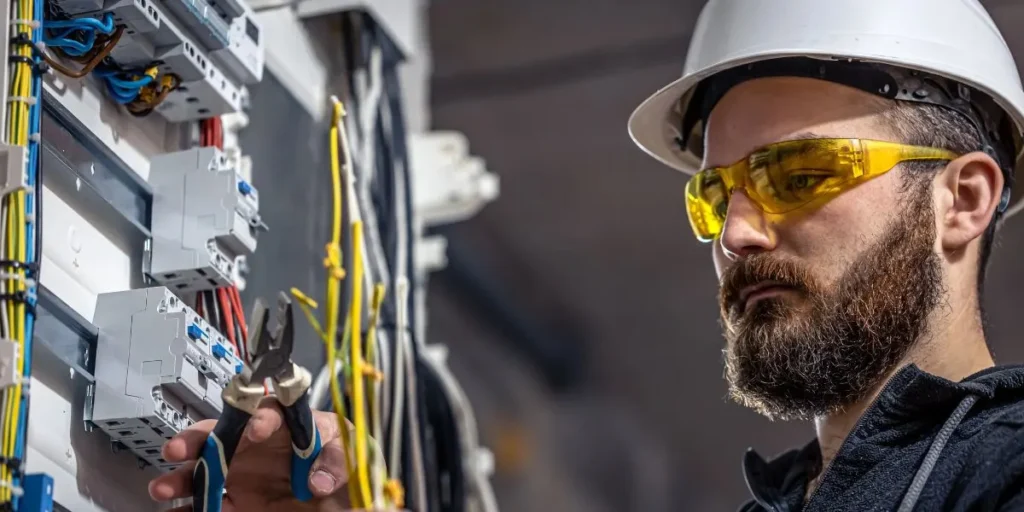
The industrial electricians mount and service the electrical systems within the factories, warehouses, and other large industrial buildings. In contrast to residential electricians who lay wire in homes, industrial electricians are involved with heavy machines, high voltage systems and complicated control panels. Their skills are more valuable when specialized. They have to be familiar with electrical standards, precaution methods and most importantly, automation and robotic systems.
The industrial electricians that operate in chemical facilities, motor vehicle plants or aerospace facilities are the highest paid. It is among the surest and well-paid jobs of blue-collar workers due to the fact that all factories and industrial facilities require qualified electricians to ensure that production does not stop even at night.
- Primary duties: Install, maintain, and repair electrical systems and equipment in industrial and manufacturing facilities.
- Typical pay: $70,000 to $105,000 per year.
- How to get in: Complete a 4–5 year electrical apprenticeship and earn your journeyman electrician license.
12. Plumber
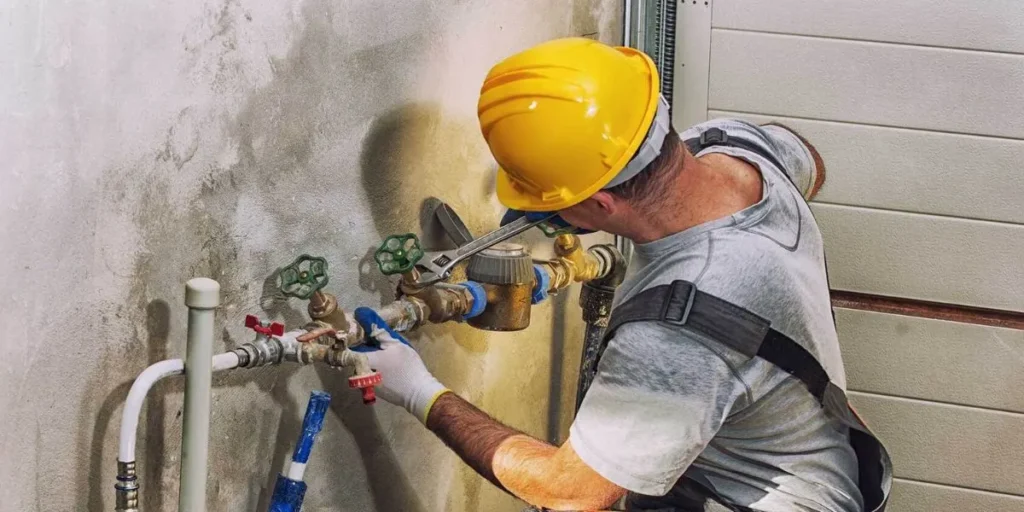
The plumbers install and repair water, gas, and drainage systems in residential premises, offices, and business structures. Clean water and working pipes are the need of everyone, that is why plumbers are ever in demand. Even the experienced plumbers who specialize in commercial work and those who own their business will earn a lot more than 100,000 on a yearly basis. The work is associated with reading blueprints, building codes, and resolving difficult problems involving building pipes and fittings.
An example is plumbing, an old and most lucrative blue collar occupation, which has existed since the dawn of time and will not fade away any time soon. The self-employed master plumbers who have their own clientele tend to make the most money in the area.
- Primary duties: Install, repair, and maintain pipes and plumbing fixtures for water, gas, and drainage systems.
- Typical pay: $65,000 to $100,000 per year.
- How to get in: Complete a 4–5 year plumbing apprenticeship and earn your journeyman or master plumber license.
13. HVAC Technician
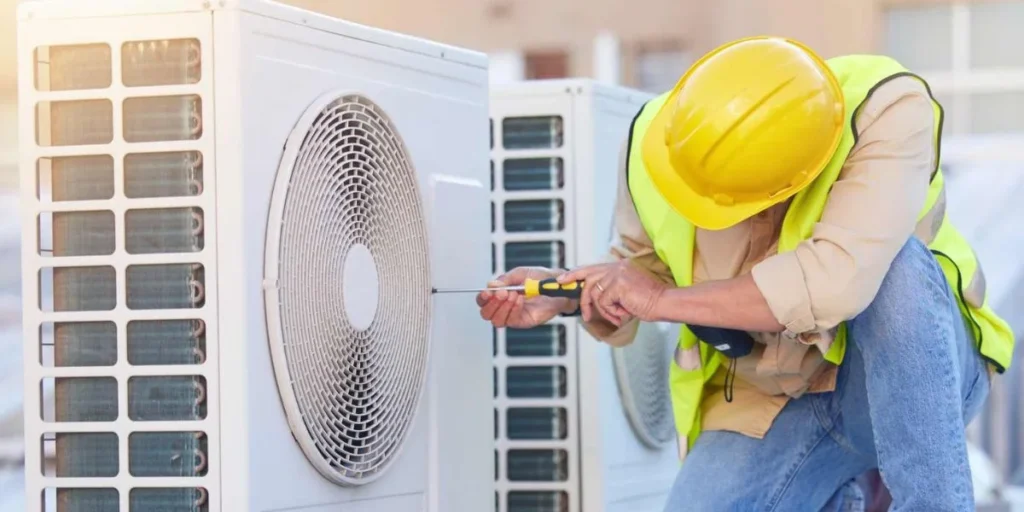
HVAC is an abbreviation that refers to Heating, Ventilation, and Air conditioning. The HVAC technicians lay and maintain climate control systems at homes, offices, and industrial buildings. With the change in weather patterns towards extreme conditions, the demand of qualified HVAC employees is increasing rapidly. There is a high demand especially of technicians that can operate on the new smart HVAC systems and refrigerants.
One of the best paying blue collar jobs that requires year-round service (during winter, summer and all year round) is HVAC because they do heating, cooling and ventilation. The workers who have extra certifications, particularly commercial refrigeration or green building systems can substantially increase their earnings.
- Primary duties: Install, maintain, and repair heating, cooling, and ventilation systems in residential and commercial buildings.
- Typical pay: $60,000 to $100,000 per year.
- How to get in: Complete a 6-month to 2-year HVAC program and an apprenticeship, then earn EPA Section 608 certification.
14. Specialized Welder
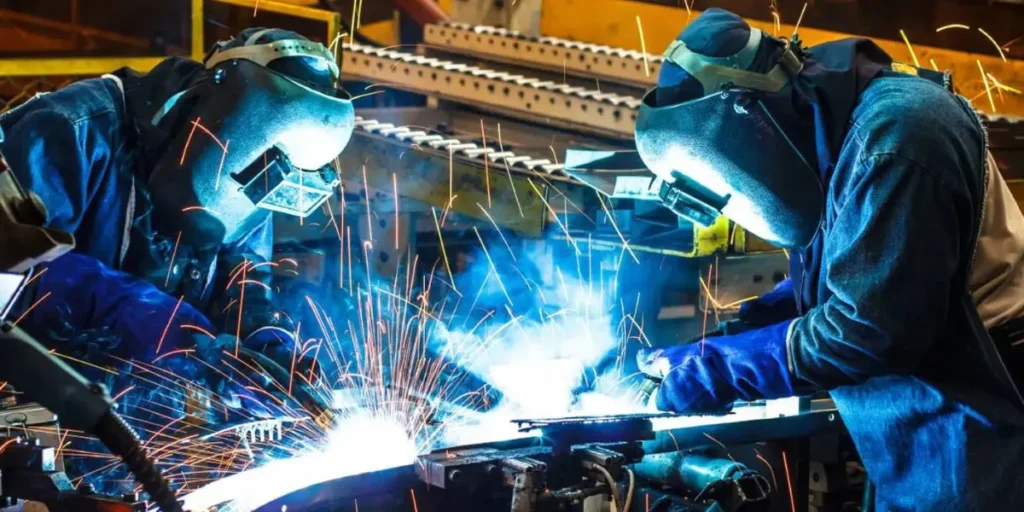
Not all welders earn the same. Simple welders can be fairly well paid, however, specialized welders, who are employed in pipelines and underwater operations, aerospace components, or nuclear plants receive extremely high wages. One of the highest-paying blue-collar jobs in the whole country is the underwater (or saturation) welder.
Professional welders are required to master certain skills and deal with rare metals and high standards of quality. It is among the best paying blue collar jobs that individuals with a steady hand and a desire to attain higher levels of certification would be employed in. In a more advanced and hazardous welding setting, the greater the wages. Oil and gas workers who are welders on the pipeline receive high compensation.
- Primary duties: Join, cut, and shape metal parts using advanced welding techniques for specialized industrial or infrastructure projects.
- Typical pay: $65,000 to $105,000 per year (underwater welders can earn $150,000+).
- How to get in: Complete welding school, earn AWS (American Welding Society) certifications, and specialize in a high-demand area like pipe or underwater welding.
15. Railroad Engineer

The engineers of railroads are the operators of trains which pass passengers and freight through the country. It is a profession where one needs to be highly concentrated, have some technical understanding, and stay by the safety measures to the end. The freight railroads, Amtrak and regional transit systems are employers of engineers. It is a job that is characterized by odd hours and night shifts.
Nevertheless, railroad engineers are highly paid on their duty. It is a blue collar job in the transport and logistics sector that is paid very well. Wages and benefits are high because of union membership by the organizations such as the Brothers of Locomotive Engineers and Trainmen (BLET). This area will have a stable demand due to the increasing investment in infrastructure.
- Primary duties: Operate locomotives and trains to transport passengers and freight safely along rail networks.
- Typical pay: $70,000 to $110,000 per year.
- How to get in: Get hired as a railroad conductor or yard worker, complete company training programs, and work up to an engineer position.
Highest Paying Blue Collar Jobs Without a Degree — Quick Table
| Job | Training Required | Time to Enter Field |
| Elevator Installer | Apprenticeship | 4–5 years |
| Power Line Installer | Apprenticeship | 3–4 years |
| Commercial Pilot | Flight School + FAA License | 2–4 years |
| Oil Rig Worker | On-the-job training | 0–1 year |
| Crane Operator | Apprenticeship + Certification | 3–4 years |
| Wind Turbine Technician | 2-year technical program | 2 years |
| HVAC Technician | Technical program + Apprenticeship | 1–3 years |
| Plumber | Apprenticeship | 4–5 years |
| Industrial Electrician | Apprenticeship | 4–5 years |
| Railroad Engineer | Company training + experience | 3–5 years |
Blue Collar Jobs That Pay Over $100,000 — Quick Table
| Job | Path to $100K+ |
| Elevator Installer | After 5+ years of experience |
| Commercial Pilot | After earning ATP license and joining major airline |
| Construction Manager | After 10+ years of site experience |
| Underwater Welder | With saturation diving certification |
| Nuclear Technician | With advanced certifications and security clearance |
| Power Line Installer | With overtime and hazard pay |
| Aircraft Mechanic | With avionics specialization |
| Oil Rig Worker | As a drilling supervisor or tool pusher |
| Railroad Engineer | With senior status at freight railroad |
| Industrial Electrician | In high-demand industrial markets |
How to Start a High Paying Blue Collar Career
These are the main steps to introduce one of the most paid blue collar jobs in 2026:
- Select your occupation: Before investing in training, research which of the best jobs available in the blue-collar job market offers your interests, physical capabilities, and local job needs.
- Attend a trade school or apprenticeship: The majority of skilled trades offer formal apprenticeship programs where you get paid to learn, i.e. zero student debt.
- Get certified: Most of the highest paying blue collar jobs demand state licenses, federal certifications, or union cards that demonstrate to employers that you are competent.
- Become a member of a union: Unions such as IBEW, IUEC, and IUOE bargain better pay, improved benefits and safer workplace environment to the members.
- Experience and specialisation: Specialisation in a niche, risky or technical field of the line of business is something that will always make the worker earn the highest salaries.
Blue Collar Jobs vs College Careers
| Category | Blue Collar Trade | College Career |
| Time to Start Working | 1–5 years | 4–6 years |
| Average Student Debt | $0–$15,000 | $30,000–$80,000 |
| Starting Salary | $40,000–$65,000 | $45,000–$65,000 |
| Top Earning Potential | $100,000–$200,000 | $70,000–$150,000 |
| Job Security | Very high (essential services) | Varies by field |
| Work Environment | Physical, hands-on, outdoors | Office-based, sedentary |
| Automation Risk | Lower (hands-on tasks) | Higher (desk/data work) |
Conclusion
The notion that to have a great life, it is essential to have a college degree is merely obsolete. The fact that by 2026, the highest-paying blue-collar jobs will accommodate skilled and hard-working individuals means that exceptional, hard-working individuals can certainly earn over 100,000 and more without four years in a classroom.
Elevator installers with incomes of more than $130K, commercial pilots with incomes of 150K and above, are the best-paying blue-collar jobs with actual financial freedom, high job security, and the fulfilment of doing the job that matters. Provided you are ready to dedicate some time to mastering some type of trade, getting licensed, and accumulating some experience, any of these careers can transform your financial future altogether.
The most appropriate time to begin is today. Find out what the most well-paying blue-collar job that is of interest to you is by doing your research, locating your local apprenticeship opportunity or trade school and starting off on the right foot toward a well-paying, secure job in 2026.
FAQs
What is the highest-paid blue-collar occupation by 2026?
Elevator installers and repairers and commercial pilots are always in first place in the list of highest paying blue collar jobs with experienced workers making in excess of 130,000 per year in many locations in the country.
Is it possible to earn $100K in a blue-collar job without a degree?
Yes, absolutely. Most of the highest paying blue collar jobs such as power line installer, nuclear technician, and construction manager often pay more than 100,000 every year and do not require a 4-year college education.
What is the time of earning good money in a blue collar career?
It depends on the trade. Other jobs, such as work on oil rigs, can begin to pay off in a matter of one year. Other occupations, such as elevator builders or plumbers, also require four to five years of apprenticeship skills before they can earn maximum wages.
Do automation and AI threaten blue-collar jobs?
Very little, as compared to a lot of office work. Blue collar jobs that can be done on site and that require physical effort are the most lucrative and can hardly be automated by robots and AI, such as climbing poles, operating cranes, repairing turbines, and plumbing real buildings.
What are the availability of apprenticeship programs for these careers?
A good source is the Apprenticeship.gov program at the U.S. Department of Labor, your local union halls, community colleges with trade courses, and the websites of such large trade unions as IBEW, IUEC, UA (plumbers), and SMART (HVAC).A