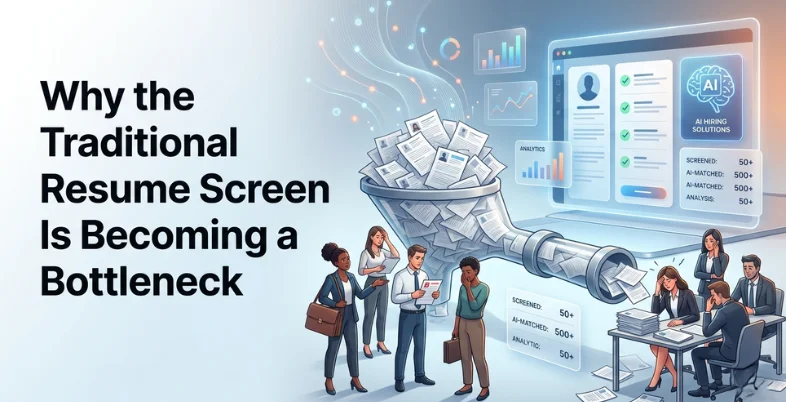
Manual document review is increasingly becoming a drag on the modern hiring cycle. Companies often spend weeks sifting through piles of digital files before ever speaking to a live person. This slow pace makes it difficult to keep up with the demands of a fast-moving market.
Top-tier talent rarely stays on the market for long and often accepts offers from faster competitors while other firms are still reading their cover letters. The loss of these high-quality individuals can damage a company’s ability to innovate and grow effectively. Speed is now a primary competitive advantage.
Removing this administrative drag requires a shift in how initial interest is measured and tracked by the department. Modern teams are looking for ways to replace static reviews with dynamic, conversational screening to find the best fit. Platforms like HeyMilo are leading this change by making the first touch more engaging.
The Limitations of Keyword-Based Filtering
Keyword-based filtering systems were designed to save time, but they often act as a barrier to true talent discovery. These algorithms search for specific buzzwords and job titles while ignoring the actual substance of a person’s professional journey. It is a rigid approach to a very human process.
This narrow focus often overlooks highly qualified candidates who come from non-traditional backgrounds or different industries. A person might have the exact soft skills needed for the role but lack the specific phrasing required to trigger the software. This results in a significant loss of potential for the organization.
The need for nuance in the selection process is more important than ever as roles become more complex and specialized. Relying on a simple word count to judge a human being is a flawed strategy that misses the bigger picture. Moving beyond these filters is essential for building a diverse team.
The Psychological Toll on Modern Recruiters
Recruiters face an immense psychological toll when they are forced to process hundreds of identical applications for every single open position. This repetitive task leads to decision fatigue and a decrease in the quality of the evaluation over the course of a long day. It is exhausting work.
The pressure to find a “needle in a haystack” while managing multiple high-priority roles creates a high-stress environment. Most professionals in this field would rather spend their time building relationships and interviewing candidates. Instead, they are stuck in a loop of digital paperwork that never seems to end.
This burnout eventually impacts the bottom line of the company as the best recruiters leave for less demanding environments. Reducing the burden of the initial screen is vital for keeping the talent acquisition team healthy and focused. A more efficient process benefits the employees as much as the business.
The Candidate Perspective on the Black Hole
From the candidate’s perspective, applying for a job often feels like shouting into a deep and dark black hole. They spend hours tailoring their resumes only to receive a generic automated response or, even worse, absolute silence for weeks. This lack of engagement creates a very poor impression.
The anxiety of waiting for feedback can turn a positive view of a brand into a negative one very quickly. Candidates want to know where they stand in the process so they can plan their own professional futures. A long delay signals a lack of respect for the applicant’s time.
Immediate engagement is the best way to maintain interest and build a strong employer brand in a crowded market. Even a short interaction can provide the closure or the encouragement needed to keep a candidate excited about the role. Improving this experience is a priority for modern human resources.
Assessing Soft Skills Through Interactive Touches

Transitioning to an interactive first touch allows a company to gain a more holistic view of an applicant’s personality. While a PDF can list technical skills, it fails to capture the way a person communicates or solves problems in real-time. This human element is what defines a successful hire.
Soft skills like empathy, adaptability, and emotional intelligence are difficult to measure through a static document. By introducing a conversational element early in the process, recruiters can see how a candidate thinks on their feet. This provides much better data for making a final hiring decision later.
This approach ensures that the people moving forward in the cycle are a good cultural fit for the existing team. It filters for more than just a list of previous employers and degrees. A well-rounded assessment from the start leads to a more stable and productive workforce for years.
Building an Agile and Responsive HR Department
Removing administrative friction is essential for building a more agile and responsive human resources department that can scale. When the team is not bogged down by manual sorting, they can respond to market changes with much more precision. It allows them to focus on high-level strategy and planning.
An efficient process ensures that the most important roles are filled quickly with the best possible people available. It reduces the cost per hire and improves the overall health of the entire organization over the long term. Speed and quality must work together to create a successful hiring culture.
Ultimately, the goal is to create a hiring ecosystem that respects everyone involved in the journey. By embracing better tools and more interactive methods, companies can find the talent they need to thrive. A dry and boring resume screen is no longer enough to win the war for talent.