
The coconut business has emerged as one of the most profitable and sustainable agricultural ventures in recent years. Often called the “Tree of Life,” the coconut offers diverse income opportunities, as nearly every part of the fruit and tree can be commercially utilized. From fresh coconuts and coconut milk to oil, fibre, and by-products, value addition significantly increases earning potential.
Driven by rising global health awareness and demand for natural, plant-based products, the worldwide coconut market is expanding steadily. With relatively low maintenance requirements and strong year-round demand, coconut-based enterprises offer stable returns.
Whether you are a farmer, entrepreneur, or investor, exploring coconut business ideas can unlock long-term revenue and scalable growth in modern agribusiness.
Is Coconut Business Profitable?
Market Demand and Price Trends
As of 2025, the global coconut market is valued at around USD 19–20 billion, growing at an estimated 7% CAGR, driven by the food, beverage, cosmetic, and wellness industries. Coconut water leads demand with a market size of USD 7–7.5 billion, making it the fastest-growing segment. Coconut oil accounts for about 22–24% of the market, valued at USD 4–4.2 billion, due to strong use in cooking and personal care.
Copra prices remain high, with support prices around ₹12,000–12,500 per quintal, benefiting farmers. In exports, desiccated coconut traded between USD 2,900 and USD 3,800 per metric ton in 2025, indicating strong global demand.
Profit Margins in Raw vs Value-Added Coconut Products
Profitability in the sale of raw coconuts ranges from 30% to 50%, depending on the type and market, making entry-level coconut business ideas suitable for beginners. Processing value-added products, such as virgin coconut oil, can yield a 60-100% profit margin, making it highly profitable.
Coconut milk and cream processing has a profit margin of 40-70%, and packaged coconut water can achieve 50-80% profitability. Coconut shells yield handicrafts and activated carbon, which command margins exceeding 100% in specialty markets.
Key Factors Affecting Profitability
- Climate: Coastal areas are ideal for coconuts
- Quality: Consistent supply builds market trust
- Technology: Modern processing cuts costs
- Marketing: Strong branding boosts profits
- Support: Subsidies and loans reduce startup costs
Advantages of the Coconut Business Compared to Other Agri-Businesses
- Production all year round: Coconut trees produce year-round, guaranteeing a continuous income.
- Potential of zero-waste: Each and every component of the coconut can be commercially used to maximise returns.
- Several income sources: A single harvest takes care of many product lines and business prospects.
- Low maintenance: Coconut farms, once planted, need low maintenance as compared to annual crops.
- Growing consumer trend: The demand is influenced by growing consumer preference towards natural and plant-based products.
- Export potential: There is a high international demand for coconut products, indicating strong export potential.
- Sustainable business: Environmentally conscious and renewable resources have a direct appeal to mindful consumers.
- Prolonged life: Coconuts can live for 60-80 years, providing a reliable source of income.
Types of Coconut Business Opportunities
| Category | Business Opportunity | Description |
|---|---|---|
| Fresh Coconut Business | Direct farm sales | Selling fresh coconuts directly to local markets and consumers |
| Wholesale trading | Bulk supply to retailers, supermarkets, and processing units | |
| Tender coconut selling | Mobile or fixed stalls selling fresh tender coconut water | |
| Export business | Exporting fresh coconuts to high-demand international markets | |
| Organic fresh coconuts | Premium pricing for certified organic coconuts | |
| Contract farming | Supplying fresh coconuts to food processing companies | |
| Value-Added Coconut Products | Coconut oil manufacturing | Production of virgin, refined, and specialty oils for food and cosmetics |
| Coconut milk & cream | Packaged products for retail and food service industries | |
| Coconut flour | Gluten-free flour for health-conscious consumers | |
| Desiccated coconut | Used widely in baking and confectionery industries | |
| Packaged coconut water | Bottled or tetra-pack soft coconut water | |
| Coconut snacks | Chips, cookies, bars, and ready-to-eat products | |
| Coconut sugar & vinegar | Natural sweeteners and condiments with rising demand | |
| Cosmetics & personal care | Soaps, lotions, hair oils, and skincare products | |
| Coconut Waste & By-Products | Coir fibre production | Making ropes, mattresses, and geotextiles from husk |
| Coir pith products | Soil substitute used in agriculture and horticulture | |
| Shell handicrafts | Bowls, spoons, décor items, and jewellery | |
| Activated carbon | High-value product used in water and air filtration | |
| Coconut shell charcoal | Used for barbecuing and industrial fuel | |
| Organic fertiliser | Compost made from coconut waste for sustainable farming |
Top 15 Coconut Business Ideas (2026)
| No. | Coconut Business Type | Investment Range | Profit Margin | Skill Level | Market Type | Scalability |
|---|---|---|---|---|---|---|
| 1 | Coconut Milk & Cream Processing | ₹5–15 Lakhs | 40–70% | Medium | Domestic + Export | High |
| 2 | Dry Coconut Trading | ₹2–8 Lakhs | 15–30% | Low | Wholesale | Medium |
| 3 | Copra Production Unit | ₹10–25 Lakhs | 20–40% | Medium | Oil Mills | Medium |
| 4 | Tender Coconut Vending | ₹20K–₹1 Lakh | 100–150% (daily) | Low | Local / Urban | Low |
| 5 | Coconut Chips & Snacks | ₹3–10 Lakhs | 50–80% | Medium | Retail + Online | High |
| 6 | Coconut Flour Manufacturing | ₹5–12 Lakhs | 60–90% | Medium | Health Food | High |
| 7 | Coconut Shell Handicrafts | ₹50K–₹3 Lakhs | 100–200% | Low–Medium | Niche / Export | Medium |
| 8 | Virgin Coconut Oil Production | ₹8–20 Lakhs | 60–100% | Medium | Premium Retail | High |
| 9 | Desiccated Coconut Manufacturing | ₹10–30 Lakhs | 30–50% | Medium | B2B Food Industry | High |
| 10 | Coir Fibre & Coir Pith Products | ₹15–40 Lakhs | 35–60% | Medium | Agriculture + Industry | High |
| 11 | Activated Carbon from Coconut Shell | ₹25–60 Lakhs | 80–150% | High | Industrial | Very High |
| 12 | Packaged Coconut Water | ₹20–50 Lakhs | 50–80% | High | FMCG / Health Drinks | Very High |
| 13 | Coconut-Based Soap & Cosmetics | ₹4–15 Lakhs | 70–120% | Medium | Retail + Online | High |
| 14 | Coconut Sugar & Vinegar | ₹6–18 Lakhs | 60–100% | Medium | Health / Organic | Medium |
| 15 | Organic Coconut Farming | ₹3–10 Lakhs per acre | 20–40% premium | Medium | Domestic + Export | Medium |
List of Top 15 Coconut Business Ideas for 2026
1. Coconut Milk & Cream Processing
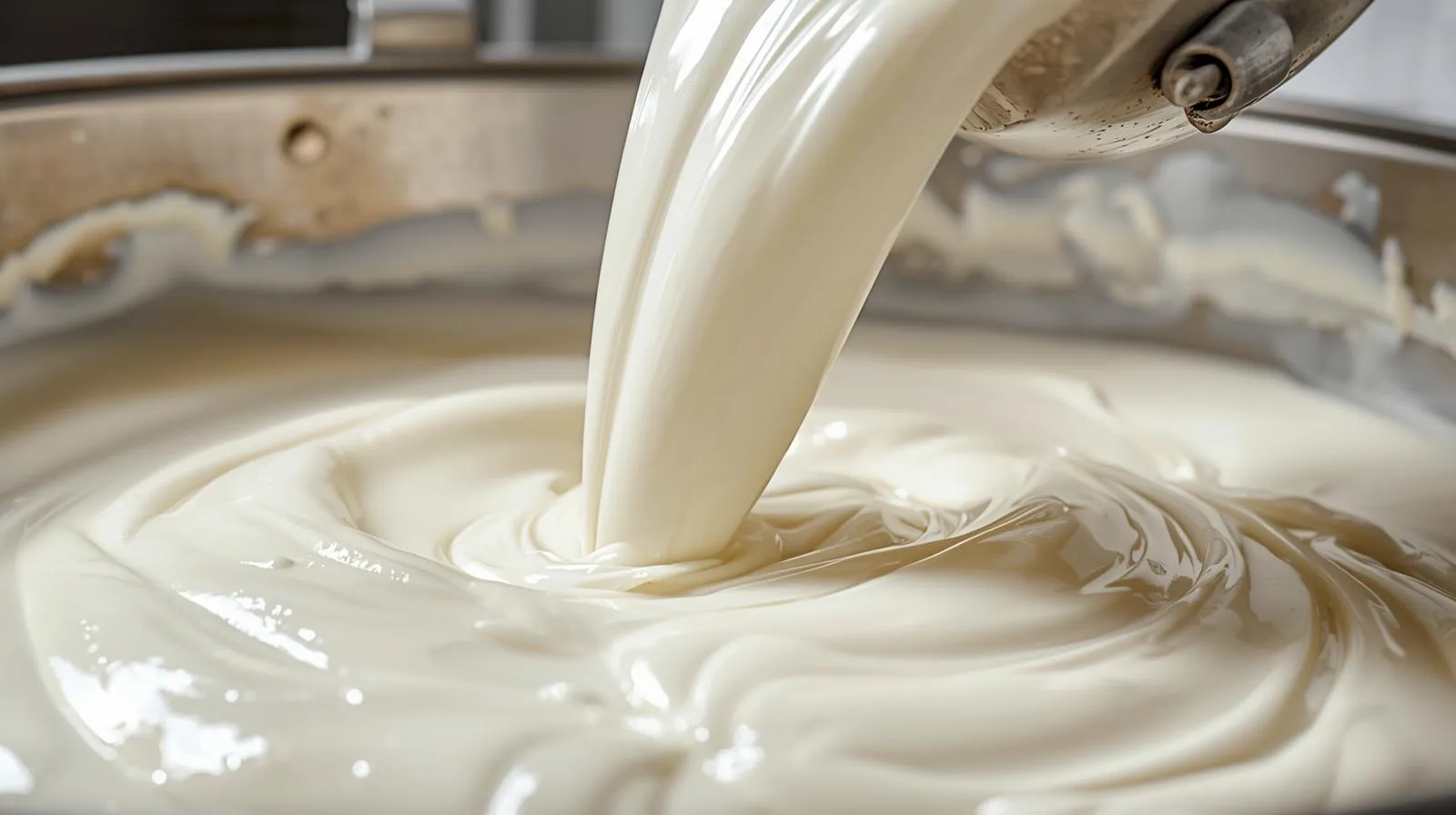
The process of coconut milk and cream entails a mechanical press and filtration of the rich, creamy liquid of mature coconut meat, making this segment one of the most scalable coconut business ideas in the value-added food category. The coconut business proposal serves the increasing vegan and dairy-free markets. The product is used in cooking, drinks, desserts and in the food processing industry.
Well-packed and preserved coconut milk has a long shelf life, and as a result, it is marketable in both the domestic and international markets, where the demand is stable all year round.
- Investment Required: ₹5-15 lakhs to set up on a small scale that includes the extraction equipment, the packaging equipment, and working capital.
- Profit Potential: Medium-scale operations have a profit margin of between 40-70% with a monthly revenue of between ₹ and -5 lakhs.
- Challenges: Freshness, short shelf life (lack of preservatives), existing brands, and steady supply of raw materials.
2. Dry Coconut Trading

Dry coconut trading is a business that involves sourcing, storing, and distributing copra and whole dried coconuts to the oil mills, wholesalers, and retailers, making it one of the more trading-focused coconut business ideas in the supply chain. This coconut-based business venture requires minimal processing but requires strong market insights and networking.
Arbitrage can be used by traders who are willing to sell at high demand and buy during surplus seasons. The company needs proper storage space so that it does not get damp and the quality remains high to be able to fetch high prices in the competitive market.
- Investment Required: ₹2-8 lakhs would be required to store, transport and purchase initial inventory.
- Profit Potential: 15-30% margins per transaction, and can have a monthly earning of ₹1-4 lakh depending on the size.
- Challenges: Changes in prices, storage facilities, risk of spoilage and logistical problems when distributing goods in distressed locations.
3. Copra Production Unit
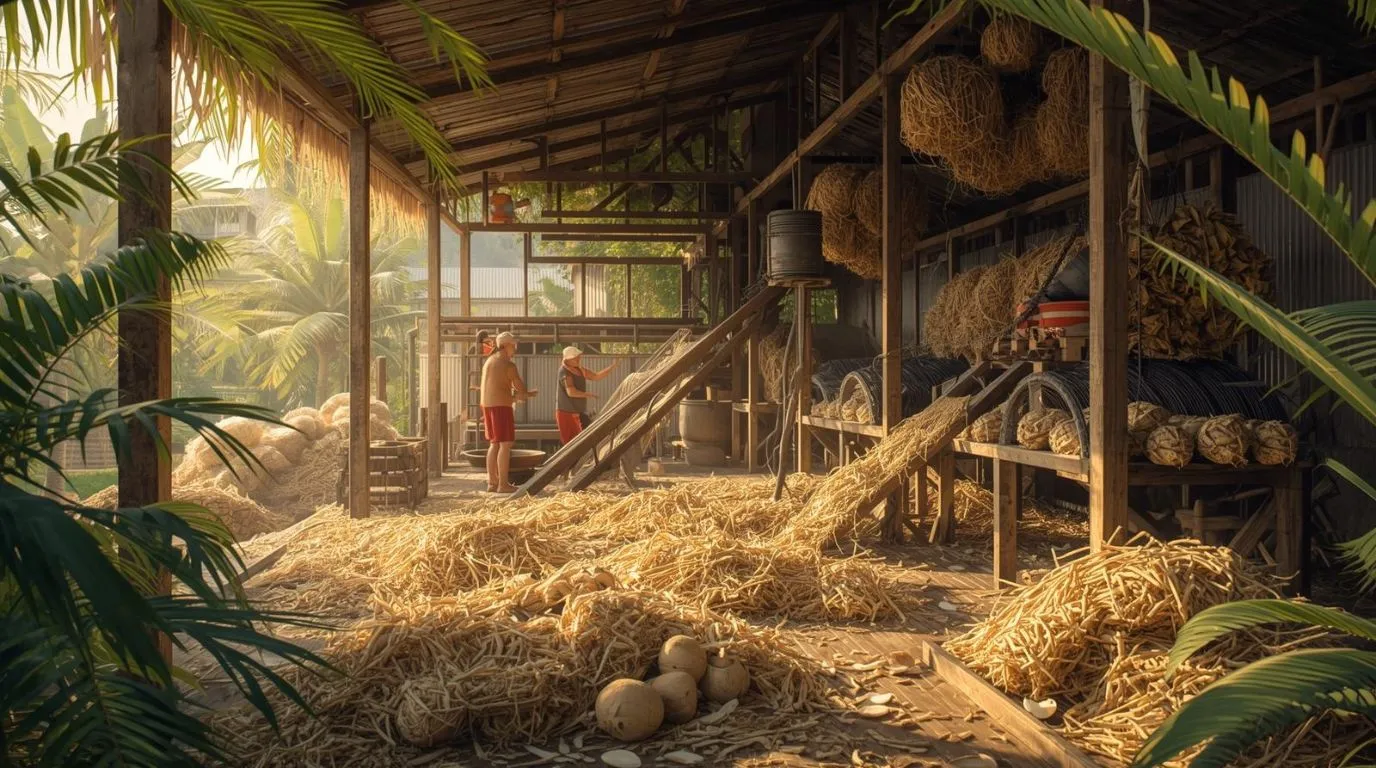
Copra is produced by drying coconut kernels using sun-drying or a kiln to decrease the amount of moisture to 6-8%, forming the foundation of several processing-based coconut business ideas. This is a refined commodity that is the main raw material in the coconut oil extraction companies. The contemporary copra units have been fitted with effective drying technologies that guarantee uniform quality and short processing duration.
The copra business concept has a constant demand because oil mills need constant availability of supply all year round, and thus it has become an assuring source of income to both the coconut farmers and the processors of coconuts.
- Investment Required: This will need ₹10-25 lakhs to buy drying equipment, storage sheds, and initial raw material purchase.
- Profit Potential: 20-40% profit margins with a minimum monthly earning of ₹1.5-6 lakhs when the capacity is medium.
- Challenges: Sun-drying, kiln drying fuel, quality assurance, and seasonal supplies.
4. Tender Coconut Vending

Tender coconut has an opportunity to capitalise on the popularity of the refreshing drink as a cooler in cities, tourist spots, and busy places, making it one of the most accessible coconut business ideas for beginners. This is a low-investment business concept that has low infrastructure requirements; only a vending cart or stall is required, storage by refrigeration, and fresh tender coconuts should be supplied.
The business is active throughout the summer season with a rapid inflow of funds to the business as a result of daily sales. Mobile vending gives the flexibility of location choice depending on the patterns of footfall and seasonal needs.
- Investment Required: ₹20,000-₹1 lakh in cart/stall set-up, refrigeration unit, and preliminary stock.
- Profit Potential: ₹500-₹2000 per day based on site and sales, markup can be 100-150%.
- Challenges: Permits, keeping it fresh during hot weather, competition, and supply that is irregular during off-seasons.
5. Coconut Chips & Snack Making
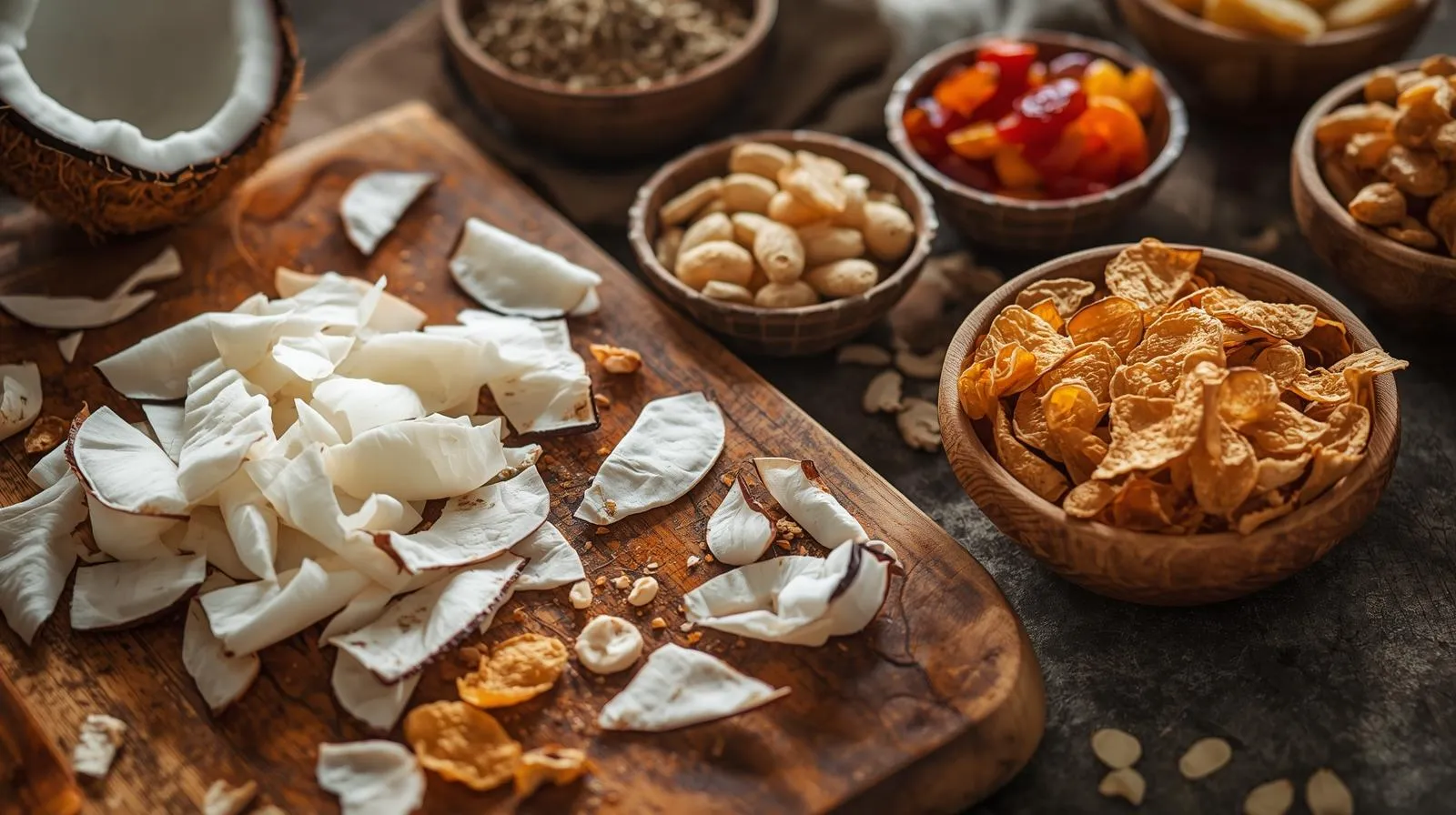
Coconut chips production processes the raw coconut to crispy and flavoured snacks that are attractive to health-conscious consumers who are in need of substitutes to potato chips, positioning this segment among high-demand coconut business ideas in the snack category. This is a coconut meat business proposal where the meat of the coconut is cut very thinly, then fried or baked, and served with different flavours.
The product is experiencing an increasing demand both in the retail outlets and online market, as well as in the export markets. Having beautiful packaging and a variety of flavours, the coconut chips are sold at a high price and have a good shelf life to be distributed in a larger geographical location.
- Investment Required: ₹3-10 lakhs to invest in slicing machines, fryers/ovens, packaging equipment, as well as initial marketing costs.
- Profit Potential: Small-scale operations have profit margins of 50-80% and a monthly revenue potential of ₹1-4 lakhs.
- Challenges: Keeping clean and good, market pressure due to existing snack brands, and increasing production without compromising the consistency of taste.
6. Coconut Flour Manufacturing
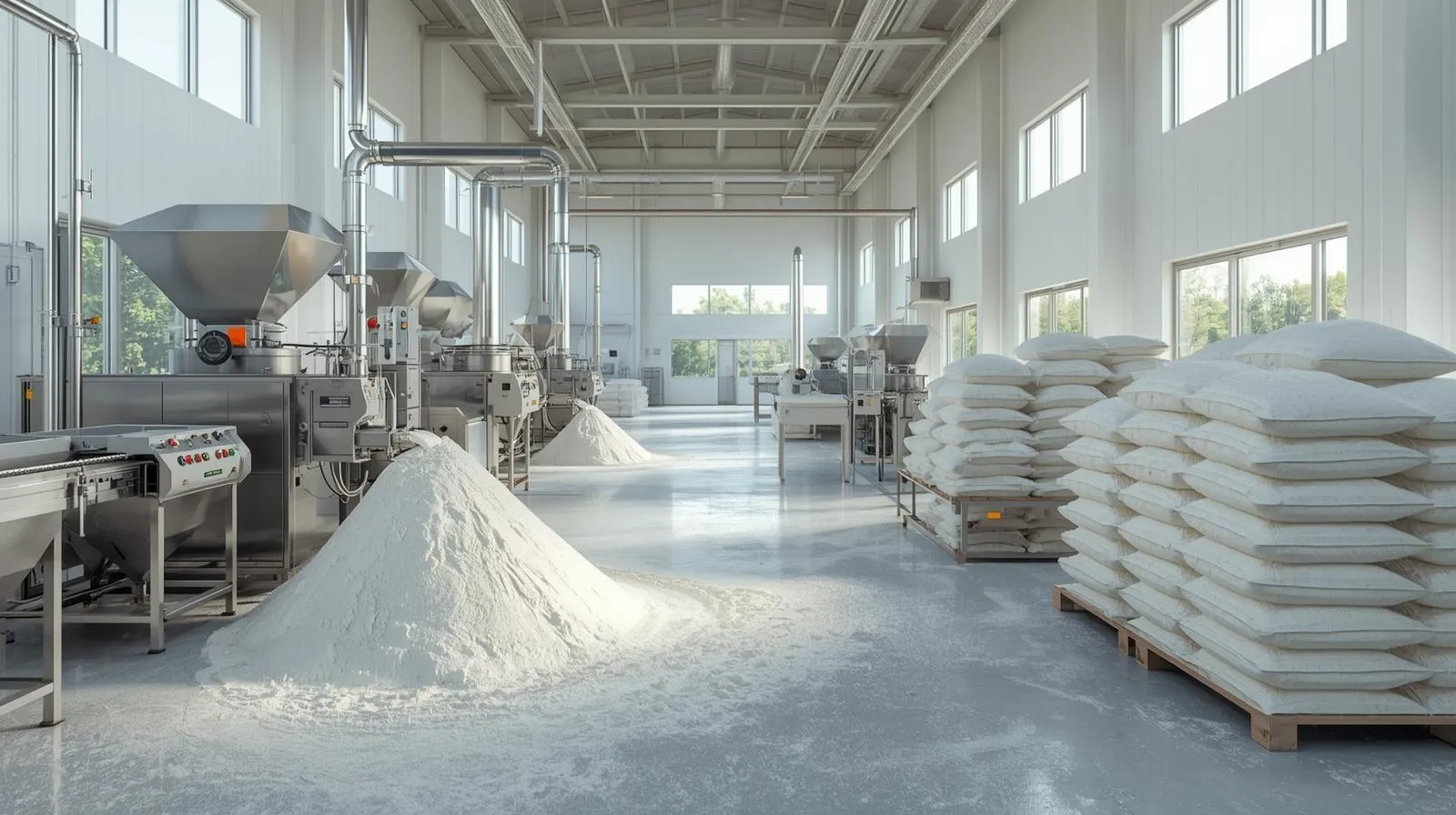
Production of coconut flour: Coconut meat is defatted and ground into fine powder to produce a gluten-free and high-fibre substitute for wheat flour, making it one of the most health-focused coconut business ideas in the food processing segment. The targeted business idea under this coconut business is health-conscious consumers, diabetics, and gluten-sensitive consumers.
Market opportunities have increased tremendously due to the increased popularity of the product in keto and paleo diets. Coconut flour has been utilised in various ways in the market, such as in baking, cooking, and protein supplement ingredients, which guarantees a wide range of customers and a constant rate of increase in demand in both retail and wholesale markets.
- Investment Required: ₹5-12 lakhs on grinding machinery, dryers, packaging material and quality testing equipment.
- Profit Potential: 60-90% margins and ₹2-5 lakh monthly income potential of medium-sized production units.
- Challenges: Consistency in quality, threat posed by imported goods, certification, and consumer education on the advantages of products.
7. Coconut Shell Handicrafts

Coconut shell handicrafts transform the waste products into useful decorative products such as bowls, lamps, jewellery, planters, and home decoration accessories. The given eco-friendly business concept is appealing to environmentally-conscious customers and tourists who want to find unique sustainable products. Artisans will be able to produce product lines with a variety of products by integrating new designs and traditional craft.
The company does not need a large investment, yet it presents great profit margins, particularly when it focuses on export business, boutique stores, and online shops that feature handmade, eco-friendly products.
- Investment Required: ₹50, 000-₹3 lakhs of tools, raw material collection, finishing equipment, and initial stock making.
- Profit Potential: 100-200% profit margins and a monthly income of ₹30000-₹2 lakhs, on the basis of the product range and market coverage.
- Challenges: Recruiting talented craftsmen, quality control, selling to select markets, and competition from mass-produced products.
8. Virgin Coconut Oil Production
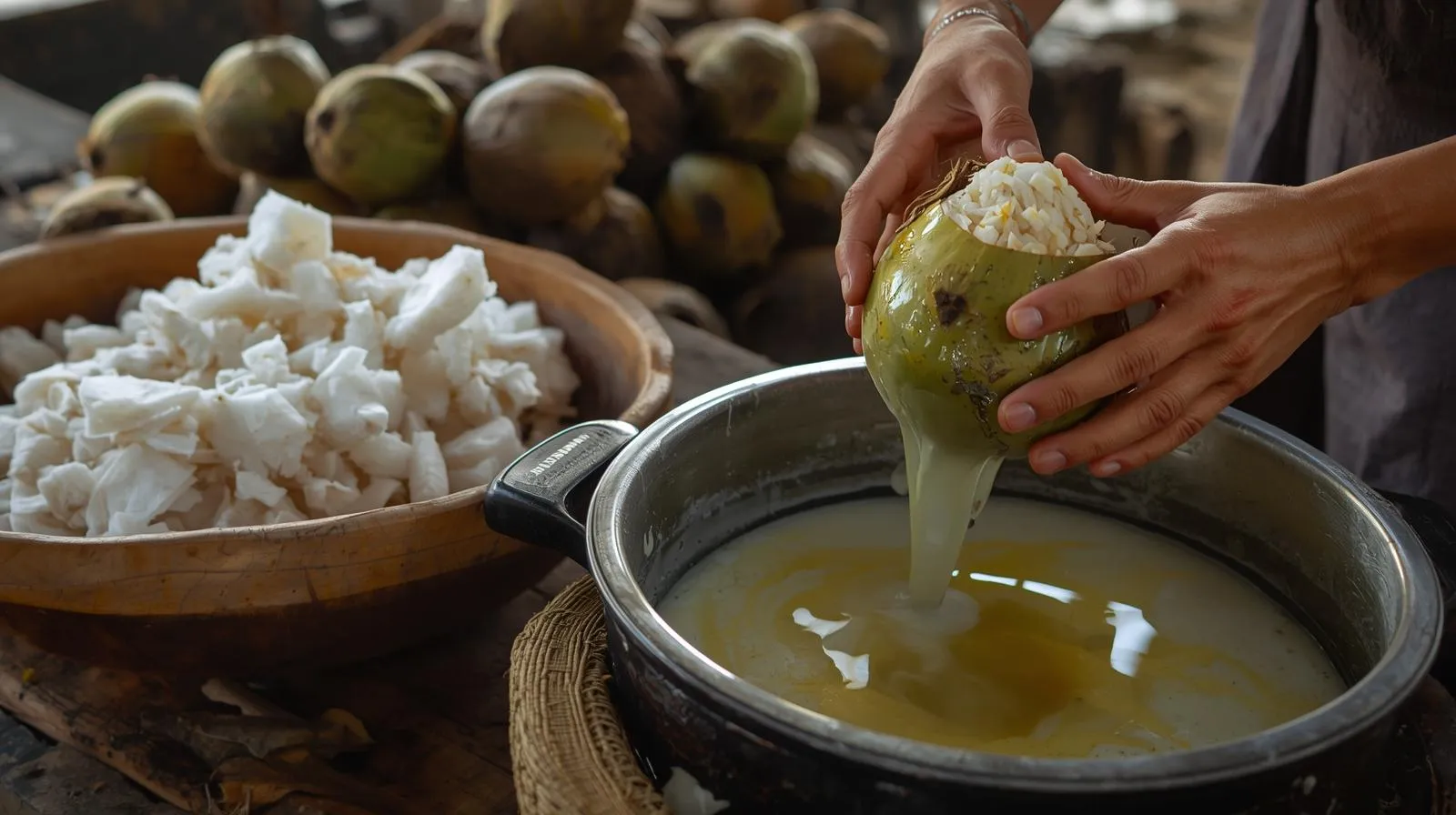
Production of the Virgin coconut oil uses cold-pressing techniques to extract oil from fresh coconut meat without refining with chemicals, preserving nutritive content and natural aroma, which places it among premium coconut business ideas in the health and wellness segment. The premium coconut business concept is targeted at the health-conscious markets that are likely to pay a few dollars more to have a high-quality product.
The product has various functions such as cooking, cosmetics, hair care, and therapeutic. In both the domestic and international markets, proper branding and organic certification have the potential to create a strong market position and profit margins.
- Investment Required: ₹8- 20 lakhs will be needed to invest in cold-press, storage tanks, bottling equipment, and quality certifications.
- Profit Potential: Small to medium-sized operations of 60-100% with monthly revenues of between ₹3-8 lakhs.
- Challenges: Competition, ensuring uniform quality, certification expenses, and establishing brand recognition in competitive markets.
9. Desiccated Coconut Manufacturing
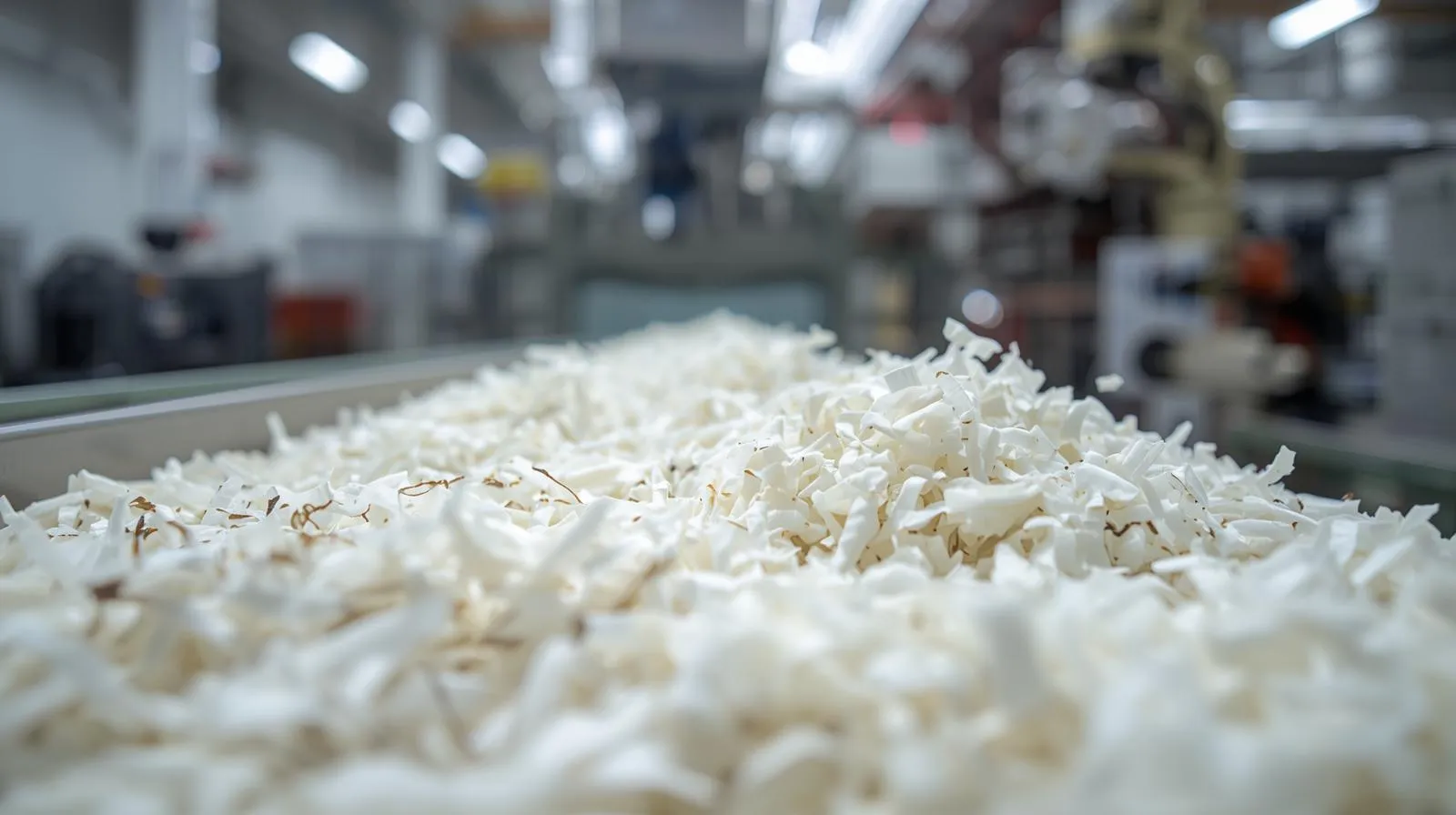
The production of desiccated coconuts generates finely shredded and dried coconuts, which are commonly used in baker’s, confectioneries and food processing industries, making it one of the more stable coconut business ideas for B2B markets. This coconut company proposal has a predictable business demand by commercial buyers who need quality and quantity supplies on a regular basis.
The production method entails shredding of fresh coconut meat, drying it to a certain moisture content, and grading the product by size requirements. The product has a long shelf life with good packaging, which makes it easy to distribute the product to far markets, hence allowing the business to operate throughout the year.
- Investment Required: ₹10-30 lakh on machines to shred, industrial dryers, grading machines and packaging facilities.
- Profit Potential: Profit margin of 30-50%, with monthly revenue capabilities of ₹2-7 lakhs in medium capacity units.
- Challenges: Standardising quality, large manufacturers’ competition, fluctuations in the price of raw materials, and hygiene standards.
10. Coir Fibre & Coir Pith Products

Coconut husks can be used in the extraction of coir fibres that can be used as filling of mattresses, ropes, mats and erosion control products, and the pith of the coconuts can be used as a good growth material in horticultural work, making this segment one of the most sustainable coconut business ideas. This is a sustainable coconut business plan, which uses waste products, thereby helping to conserve the environment, as well as making profits.
The coir industry has the backing of the government in a number of schemes and subsidies. Products are utilised in farming, building, and manufacturing industries, which guarantees the products a variety of revenue and constant demand in the market all year long.
- Investment Required: ₹15-40 lakh required to build fibre extraction machinery, processing equipment, storage plant and working capital.
- Profit Potential: Margins of 35-60% and monthly revenue of ₹3-10 lakhs of profit depending on production capacity and product range.
- Challenges: Labour-intensive processing, the cost of maintenance of machines, competition in the market, and handling high quantities of raw material.
11. Activated Carbon from Coconut Shell
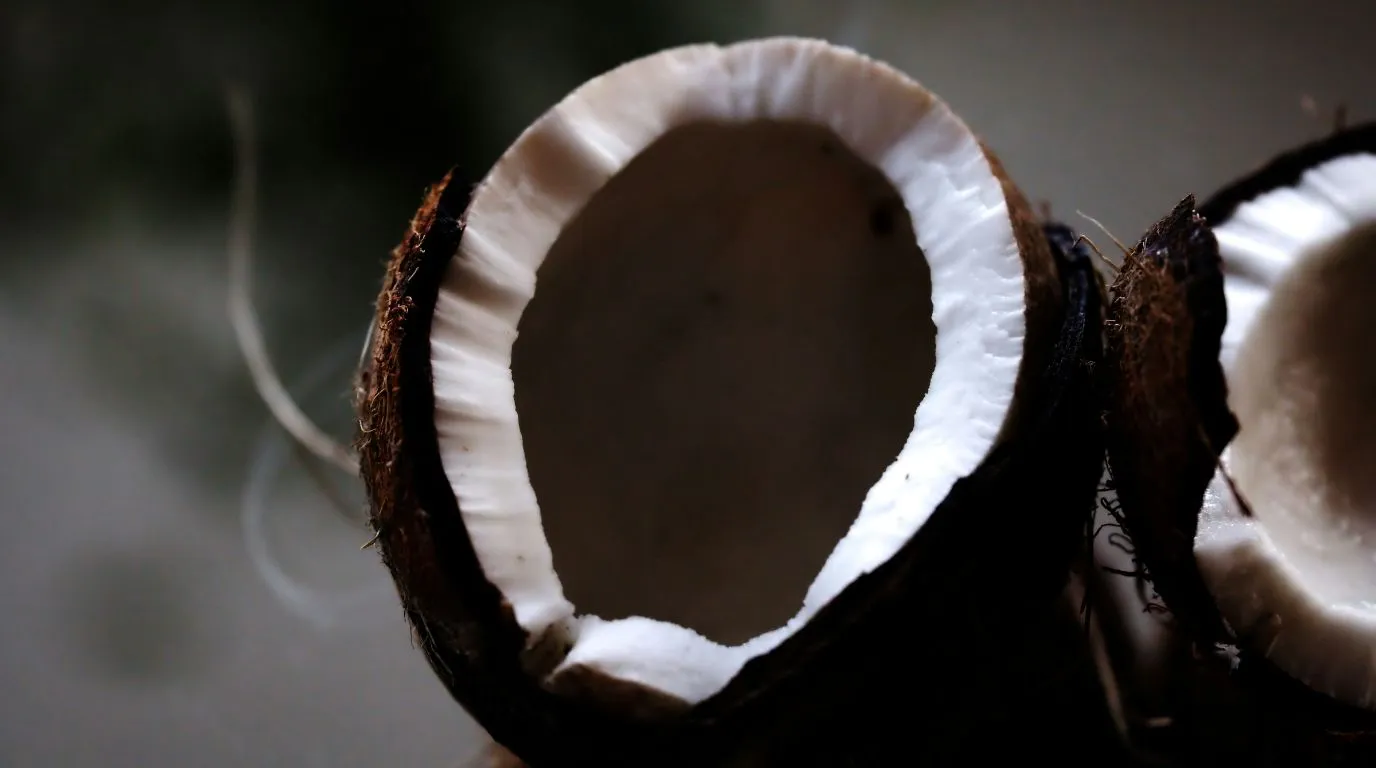
The conversion of coconut shells into activated carbon yields high value filtration material to be used in the purification of water and also air filtration, medical and industrial purposes. This high-end coconut venture outlet needs technical savvy, but with huge profits. Activated carbon made out of coconut shells is better in comparison to coal-based ones because of a higher adsorption capacity.
The increasing demand is facilitated by growing environmental concerns and tougher water quality regulations that make this venture especially appealing to entrepreneurs seeking agricultural businesses that require high returns and rely on technology.
- Investment Required: ₹25-60 lakhs on carbonising furnaces, activation equipment, grinding machine and testing laboratory.
- Profit Potential: Profit margins of 80-150% and monthly income potential of ₹5-15 lakh on medium-scale production facilities.
- Challenges: Skills in technology, massive start-up costs, environmental regulations and building customer relations with industrial partners.
12. Packaged Coconut Water Business

Packaged coconut water business entails the extraction, processing and packaging of tender coconut water with preservation methods that would give the product a long shelf life without interfering with the nutritional content of the product, positioning it among fast-growing coconut business ideas in the beverage segment. The business opportunity of this coconut is based on the world trend in the health drink segment, and coconut water is a natural sports drink with electrolytes.
The current processing technologies, such as HPP (High-Pressure Processing), keep the food safe and at the same time preserve its freshness. The product targets the fitness community, health-conscious customers, and those who want a natural and natural alternative to sugary drinks.
- Investment Required: ₹20-50 lakh rupees required to purchase extraction equipment, pasteurisation equipment, aseptic packaging equipment, and cold storage equipment.
- Profit Potential: Small to medium-scale businesses with proper distribution have margins of 50-80% and monthly revenue of ₹4-12 lakhs.
- Challenges: Raw material has a short shelf life, keeping the taste the same, competition with established brands, and distribution logistics.
13. Coconut-Based Soap & Cosmetics
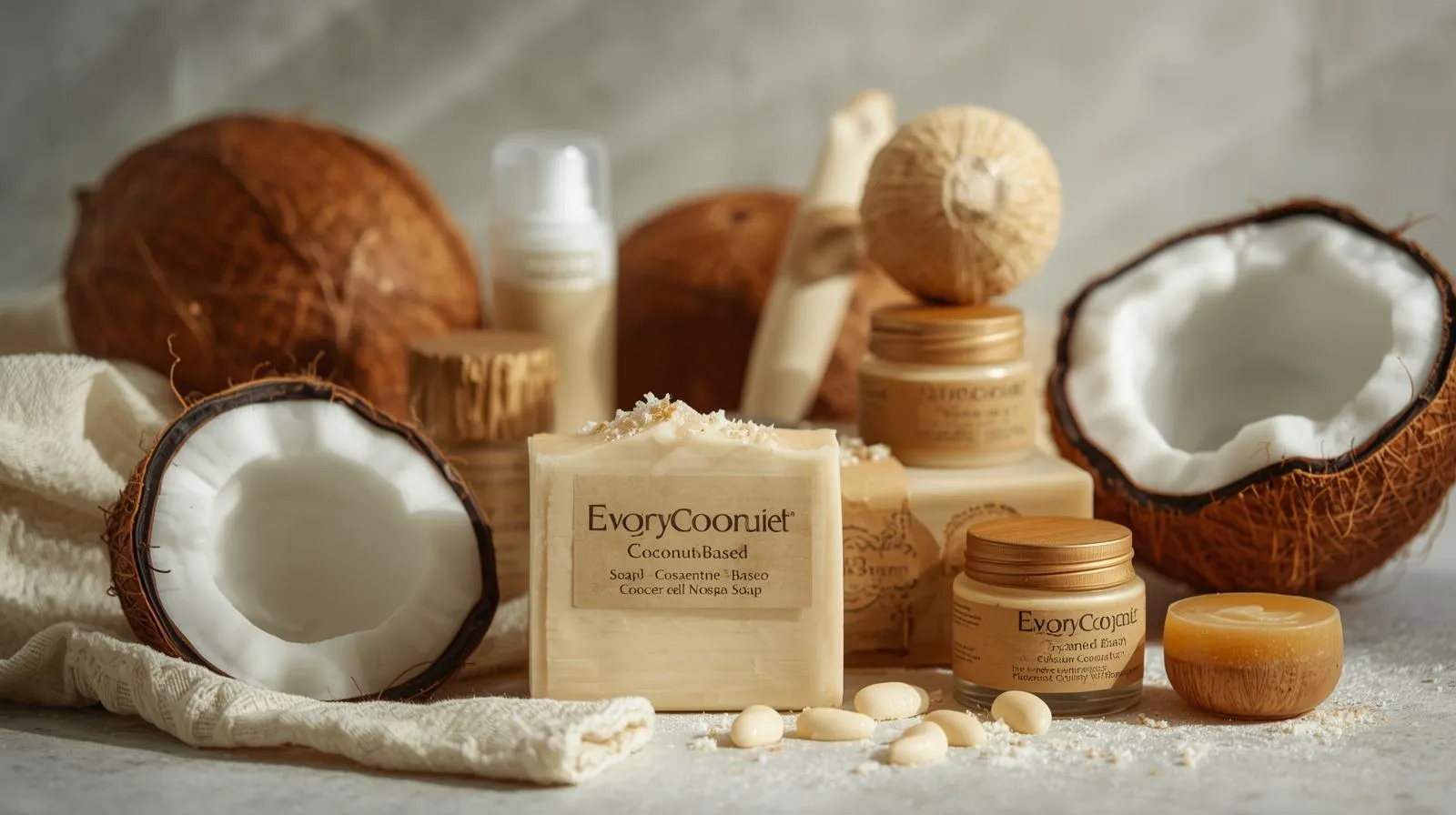
The manufacturing of coconut-based soap and cosmetic items generates natural personal care products based on the use of coconut oil, milk and extracts as the main ingredients, placing this segment among high-margin coconut business ideas in the personal care industry. High sales of natural and organic cosmetics and increased demand for chemical-free products make this coconut business concept leverage the active market segment.
Brand product range encompasses handmade soaps, shampoos, body lotions, face creams and oils used in hair. Artisanal and organic certifications increase the market attraction and command higher prices, especially in addressing consumers who are eco-conscious and overseas markets.
- Investment Required: ₹4-15 lakhs to invest in raw materials, manufacturing equipment, moulds, packaging and certification.
- Profit Potential: Profit margins of 70-120% with monthly revenues of ₹1.5-6 lakh Rupees, depending on product line and marketing performance.
- Challenges: Regulatory compliance, certification, established brand competition and establishing consumer trust in new brands.
14. Coconut Sugar & Vinegar Production

Coconut sugar is a low-glycemic sugar extracted and crystallised by the buds of coconuts and then evaporated to create a sweetener that is used by diabetics and health-conscious people, making these products part of specialised coconut business ideas with premium positioning. Fermentation of coconut vinegar to become a tangy condiment is used in cooking and health tonics.
These are niche coconut business concepts that cater to niche markets that will be willing to pay a higher price for the healthier products when compared to refined sugar and chemical vinegars. Both products are experiencing the increasing demand internationally, especially in health food stores and retailers of organic products.
- Investment Required: ₹6-18 lakhs on sap collection equipment, evaporation pans, fermentation vessels and bottling equipment.
- Profit Potential: 60-100% margins and ₹2-6 lakhs per month of revenue potential of small-scale specialised production units.
- Challenges: The tasks are labour-sensitive and subject to seasonal fluctuations, specialised skills, and consumer education on the benefits of the product.
15. Organic Coconut Farming
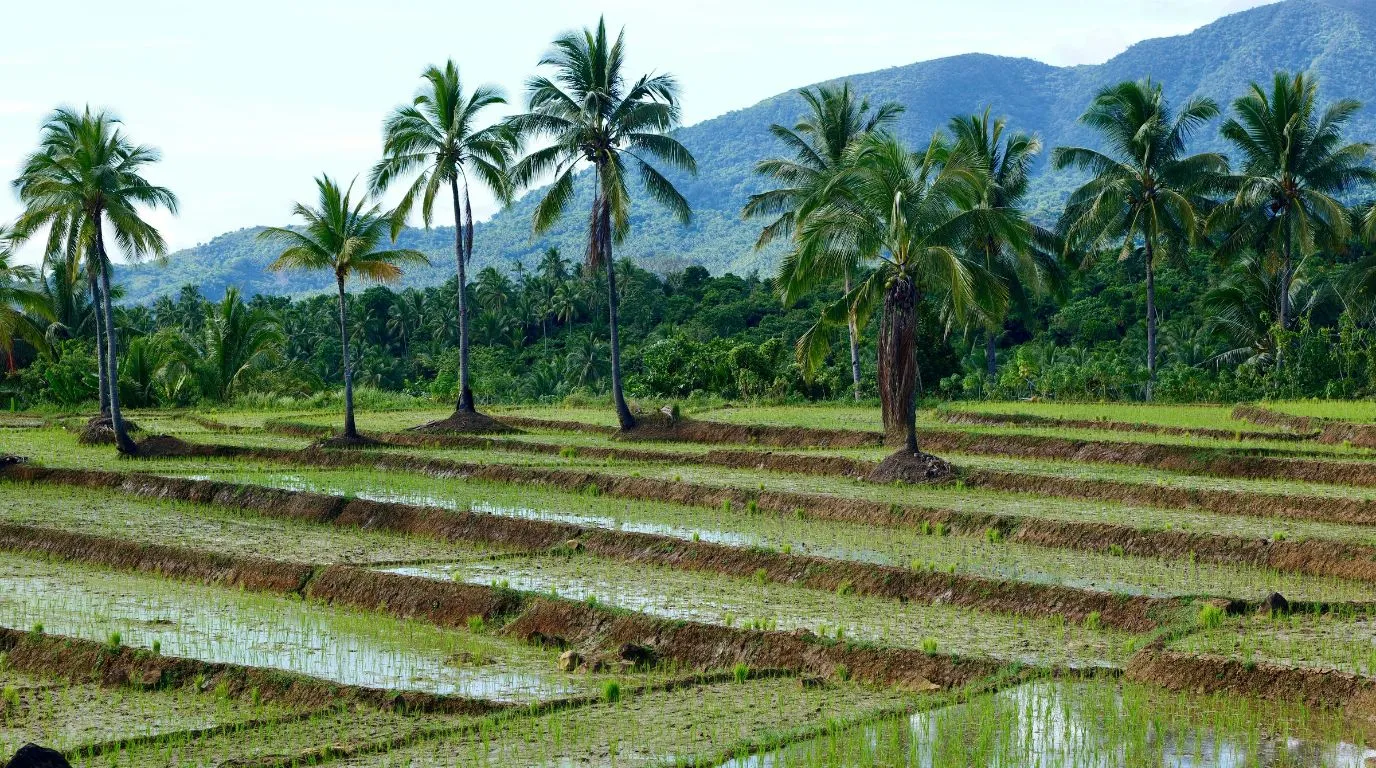
Organic cocoa farming does not use synthetic substances and concentrates on natural farming practices, bio-fertiliser and an integrated pest management system, making it one of the more sustainability-driven coconut business ideas in modern agriculture. The business concept of sustainable coconut will fetch high prices in the market, as health-conscious buyers and producers of organic products are.
The rigorous certification procedures pave the way to high-paying export markets and high-end domestic markets. Coconuts are organically produced and command a 20-40% premium compared to conventional produce, whereas the decreased input costs make overall profitability better, though yields might potentially be lower in the periods of transition.
- Investment Required: ₹3-10 lakh per acre for land preparation, organic inputs, certification charges and infrastructure development in a period of 2-3 years.
- Profit Potential: Net earnings of ₹1.5-4 lakhs/acre/per year after maturity, and premium price on certified organic products.
- Challenges: Certification phase in three years, low initial yields, premium segment access to the market, and the cost of maintaining certification.
Coconut Farming Income & Yield Analysis
The profitability of coconut farming is determined by the age of trees, their type, and their farming, which directly influences long-term coconut business ideas in agriculture. One full-grown coconut tree (8+ years) bears 60-180 coconuts per year, and hybrid varieties bear more. At 60-80 spacing in the per-acre plantation, 4,800-14,400 coconuts are produced annually.
Gross revenue varies between ₹72,000-₹4,32,000 per acre/year at average market prices of 15-30 per coconut. The costs of cultivation (labour, fertilisers, and maintenance)usually consume 30-40 per cent of the revenues, and net profit remains at ₹50,000-₹2,50,000 per acre. Bananas, cocoa, or spices make ₹30,000 -₹1,00,000 per annum, which can be added to the other income sources. The dwarf varieties bloom earlier (3-4 years) but make smaller nuts, whereas tall varieties take longer (6-8 years) and yield more in the course of 60 plus fruitful years.
Coconut Business Plan (Step-by-Step)
Step 1: Market Research and Business Selection.
- Research the local demand and competition of particular coconut business ideas.
- Determine the target customers and preferences.
- Research the pricing strategies of competitors.
- Evaluate the existing resources and individual knowledge.
Step 2: Infrastructure and Location Selection.
- Select a strategic location depending on the nature of the business.
- Prepare the required land or business premises.
- Ensure water, power, and transport connectivity.
- Get necessary licenses and permits.
Step 3: Funding Arrangement
- Establish overall investment requirements.
- Research bank loans, government programs, and subsidies.
- Lay down working capital for the first 6-12 months.
- Prepare financial projections and break-even analysis.
Step 4: Procurement of Equipment and Raw Materials.
- Acquire required machinery and equipment.
- Create an efficient coconut supply chain.
- Hold basic raw materials and packaging materials.
- Install test and quality control gear.
Step 5: Quality Standards and Production Set-Up.
- Recruit proficient employees and train them.
- Standard operating procedures.
- Introduction of quality control.
- Earn required certifications (FSSAI, organic, etc.)
Step 6: Marketing and Distribution Strategy.
- Establish brand recognition and packaging.
- Establish online presence via websites and social media.
- Create a distribution network (retail, wholesale, online)
- Arrange promotional activities and contact with customers.
Step 7: Operations & Growth
- Daily monitoring of the activities and cash flow.
- Consistency and customer feedback in terms of quality.
- Further product diversification.
- Market response scale operations.
Investment & Funding Options
- Bank loans: Subsidised interest rate (7-12% per year), Agricultural and MSME loans with a 5-10 year repayment period.
- Government subsidies: NABARD schemes, programs of the state agricultural department, which have 25 to 50% capital subsidy on machinery and infrastructure.
- Cooperative societies: Co-operatives of coconut farmers offering financial aid and technical help to the members.
- Private investors: Angel investors and venture capital in innovative value-added ventures on coconut products that have scaling potential.
- Crowdfunding websites: Online platforms that raise funds for unique business ideas in the coconut business with high social or environmental impact.
- Self-financing: Bootstrap Personal savings to fund a low-investment business, such as a tender coconut vending business or trading.
Tips for Success in the Coconut Business
- Consistency in quality: Be stringent in the quality of all products as a way of gaining the confidence of the customers and the brand image.
- Supply chain management: Find several good sources of coconuts that can provide a constant supply of coconuts all year round.
- Value addition orientation: Transform raw coconuts into more value products instead of relying on the sale of raw materials.
- Digital marketing: Utilise social media, internet commerce and online advertisement to access a larger customer base at low cost.
- Certifications: To enter high-quality markets and be able to set higher prices, get organic, FSSAI and export certifications.
- Regular innovation: New products and flavours should be developed regularly to remain competitive and ensure they meet evolving consumer tastes.
Conclusion
Coconut business ideas are among the most viable agricultural projects, offering opportunities that can be pursued depending on the level and type of investment. Since the coconut industry is dominated by small entrepreneurs who need only a small amount of capital to start small-scale tender selling of coconuts, and by those with the technical skills to begin large-scale carbon production, the industry welcomes entrepreneurs at both ends. The industry is resilient because it is experiencing rising global demand for natural and sustainable products and the coconut’s remarkable diversity.
The achievement needs to be well planned, quality-conscious, and market-oriented, and the payoffs would be a steady income, growth potential, and sustainable agricultural development. In farming, processing, or trading, a sound coconut business concept can be highly profitable and environmentally beneficial. The tree of life is a source of endless opportunities for those who venture into its possibilities with commitment and entrepreneurship.
FAQs
What is the investment capital required to open a coconut business?
Depending on the type and scale of the coconut business, investment requirements range from as low as ₹20,000 to install a tender coconut selling setup to as high as ₹60 lakhs to install advanced processing units, such as activated carbon production.
What is the most profitable coconut business?
Virgin coconut oil, activated carbon, and coconut-based cosmetics have the highest profit margins (60-150%), whereas organic farming and packaged coconut water offer long-term, stable returns.
What is the time it takes to make coconut farming profitable?
Commercially, coconut trees start producing after 5-7 years in the case of tall trees and 3-4 years in the case of dwarf trees, and they produce optimally after 12-15 years.
Do urban regions make the coconut business profitable?
Urban areas provide strong sales of tender coconuts, packaged coconut water, coconut-based cafes, and value-added products, with higher price points.
What are the key issues with the coconut business?
Some of the main issues are: price volatility, seasonal supply fluctuations, maintaining quality standards, competing with established brands, and ensuring processing units have sufficient working capital.