
India’s trading industry continues to offer excellent opportunities for entrepreneurs looking to start a business with relatively low investment and high growth potential. Unlike manufacturing businesses, trading businesses do not require setting up production units or investing heavily in machinery. Instead, traders purchase products from manufacturers, wholesalers, or distributors and sell them to customers or other businesses at a profit. This simple business model makes trading one of the most accessible ways to enter the world of entrepreneurship.
The rapid growth of e-commerce, improved logistics networks, digital payment systems, and increasing consumer demand has made trading businesses more profitable than ever. With the right product selection and reliable suppliers, even a small trading business can grow into a successful enterprise.
In this guide, you will discover the best trading business ideas in India for 2026, categorised by investment level and business type. We will also explain how trading businesses work, the different types of trading businesses, the key differences between trading, manufacturing, and service businesses, the steps to start your own trading business, the licences you may need, and common mistakes to avoid.
What Is A Trading Business?
A trading business is a type of business in which products are purchased from manufacturers, wholesalers, distributors, or suppliers and then sold to customers or other businesses at a higher price to earn a profit. Unlike manufacturing businesses, trading businesses do not produce goods themselves. Their primary role is to connect suppliers with buyers while ensuring products are available in the right place at the right time.
Trading businesses exist in almost every industry, including electronics, clothing, groceries, pharmaceuticals, construction materials, automotive products, and consumer goods. Some traders sell directly to individual customers through retail stores or online marketplaces, while others supply products in bulk to retailers, wholesalers, or businesses.
With the rise of digital commerce and improved logistics infrastructure in India, trading businesses have become more accessible than ever. Entrepreneurs can now source products from across the country or even internationally and sell them through physical stores, e-commerce platforms, social media, or their own websites.
How Does A Trading Business Work?
Although different trading businesses operate in different industries, the overall process follows a similar pattern. Understanding this process helps entrepreneurs manage inventory efficiently and improve profitability.
- Product Sourcing: The trader identifies reliable manufacturers, wholesalers, or distributors and purchases products at competitive prices.
- Inventory Management: Products are stored safely until they are sold. Proper inventory management helps avoid stock shortages and unnecessary storage costs.
- Marketing and Sales: Products are promoted through retail stores, online marketplaces, websites, social media, or business networks to attract customers.
- Order Processing: Once an order is received, the trader prepares the products for delivery and ensures timely dispatch.
- Customer Support: Providing good customer service, handling returns efficiently, and maintaining product quality help build customer trust and encourage repeat purchases.
A successful trading business depends on choosing the right products, maintaining healthy profit margins, and building strong relationships with both suppliers and customers.
How Do Trading Businesses Earn Profit?
Trading businesses earn profit by purchasing products at a lower price and selling them at a higher price. The difference between the purchase cost and the selling price is known as the profit margin. The ability to negotiate better prices with suppliers and manage operating costs plays a significant role in increasing profitability.
Several factors influence the profitability of a trading business, including product demand, competition, transportation costs, inventory management, and pricing strategy. Traders who purchase products in bulk often receive better discounts, allowing them to offer competitive prices while maintaining healthy profit margins.
Apart from direct product sales, many trading businesses increase their revenue by supplying products in bulk to businesses, offering premium product ranges, introducing private-label products, or expanding into online sales channels. As the customer base grows, traders can improve profits through higher sales volumes and better supplier relationships.
Examples of Trading Businesses
Trading businesses operate across almost every industry, making them suitable for entrepreneurs with different interests and investment capacities. Some common examples include:
- A retailer purchasing smartphones from authorised distributors and selling them through a physical store or online.
- A wholesaler supplying grocery products to supermarkets, restaurants, and local retailers.
- A trader importing home décor products from overseas manufacturers and selling them through e-commerce platforms.
- A building materials supplier purchasing cement, steel, and tiles from manufacturers and supplying them to construction companies.
- An online seller sourcing fashion accessories from wholesalers and selling them through marketplaces such as Amazon, Flipkart, or their own website.
These examples show that trading businesses can be started on a small scale and gradually expanded into larger operations by increasing product variety, customer reach, and supplier networks.
Trading Business Vs Manufacturing Vs Service Business
A trading business focuses on buying and selling products without producing them. A manufacturing business creates products from raw materials, while a service business earns income by offering professional skills or expertise rather than physical goods. Understanding these differences will help you choose a business model that aligns with your budget, experience, and long-term goals.
| Feature | Trading Business | Manufacturing Business | Service Business |
| Primary Activity | Buying and selling products | Producing goods from raw materials | Providing services or expertise |
| Initial Investment | Low to Medium | Medium to High | Low to Medium |
| Machinery Required | No | Yes | Usually No |
| Inventory Requirement | Yes | Yes | No or Minimal |
| Profit Margin | Moderate | Moderate to High | High (depends on expertise) |
| Business Complexity | Low | High | Moderate |
| Scalability | High | High | Depends on manpower and expertise |
| Examples | Mobile shop, grocery trading, wholesale distribution | Furniture factory, food processing, soap manufacturing | Digital marketing, consulting, accounting, coaching |
Each business model has its own advantages. Trading businesses are ideal for entrepreneurs looking for quicker market entry with lower investment, manufacturing businesses are suitable for those interested in creating their own products and brands, while service businesses are best for individuals with specialised skills or professional expertise.
Quick Comparison Table: Trading Business Ideas At A Glance
| Trading Business Idea | Estimated Investment | Average Profit Margin | Market Demand | Difficulty Level |
|---|---|---|---|---|
| Mobile Accessories | ₹50,000–₹2 Lakhs | 20–40% | Very High | Easy |
| Grocery & FMCG Products | ₹1–3 Lakhs | 10–25% | Very High | Easy |
| Artificial Jewellery | ₹50,000–₹2 Lakhs | 25–50% | High | Easy |
| Stationery Products | ₹75,000–₹2 Lakhs | 20–35% | High | Easy |
| Kitchenware & Home Utility Products | ₹1–3 Lakhs | 20–40% | High | Easy |
| Handmade Products | ₹50,000–₹2 Lakhs | 25–45% | High | Easy |
| Books & Educational Material | ₹50,000–₹2 Lakhs | 15–30% | High | Easy |
| Fashion Accessories | ₹75,000–₹2 Lakhs | 25–45% | High | Easy |
| Pet Products | ₹1–3 Lakhs | 25–40% | Growing | Easy |
| Toys & Baby Products | ₹1–3 Lakhs | 20–35% | High | Easy |
| Building Materials | ₹5–20 Lakhs | 15–30% | Very High | Moderate |
| Medical Equipment | ₹5–25 Lakhs | 20–35% | High | Moderate |
| Industrial Machinery | ₹10–30 Lakhs | 20–40% | Moderate | Hard |
| Solar Products | ₹3–15 Lakhs | 20–35% | High | Moderate |
| Furniture Trading | ₹5–20 Lakhs | 20–35% | High | Moderate |
| Agricultural Inputs | ₹3–10 Lakhs | 15–30% | Very High | Moderate |
| EV Accessories | ₹2–8 Lakhs | 25–40% | Growing | Moderate |
| Smart Home Products | ₹2–10 Lakhs | 20–35% | Growing | Moderate |
| Eco-Friendly Products | ₹1–5 Lakhs | 20–40% | Growing | Easy |
| Fitness Equipment | ₹2–10 Lakhs | 20–35% | High | Moderate |
| Sustainable Packaging Products | ₹2–8 Lakhs | 20–35% | Growing | Moderate |
| AI Gadgets & Smart Office Products | ₹3–10 Lakhs | 25–40% | Growing | Moderate |
List Of 22 Best Trading Business Ideas In India
The success of a trading business depends largely on selecting the right product and identifying a market with consistent demand. Products that solve everyday problems, cater to growing industries, or meet changing consumer preferences often offer better long-term business opportunities. It is equally important to choose a business idea that matches your investment capacity, experience, and target customers.
To make your search easier, we have categorised the best trading business ideas in India into different sections based on investment level and market trends. Whether you are looking for a low-investment business, a home-based opportunity, or a high-profit trading venture, the following ideas can help you start and grow a successful business in 2026.
A. Low Investment Trading Business Ideas
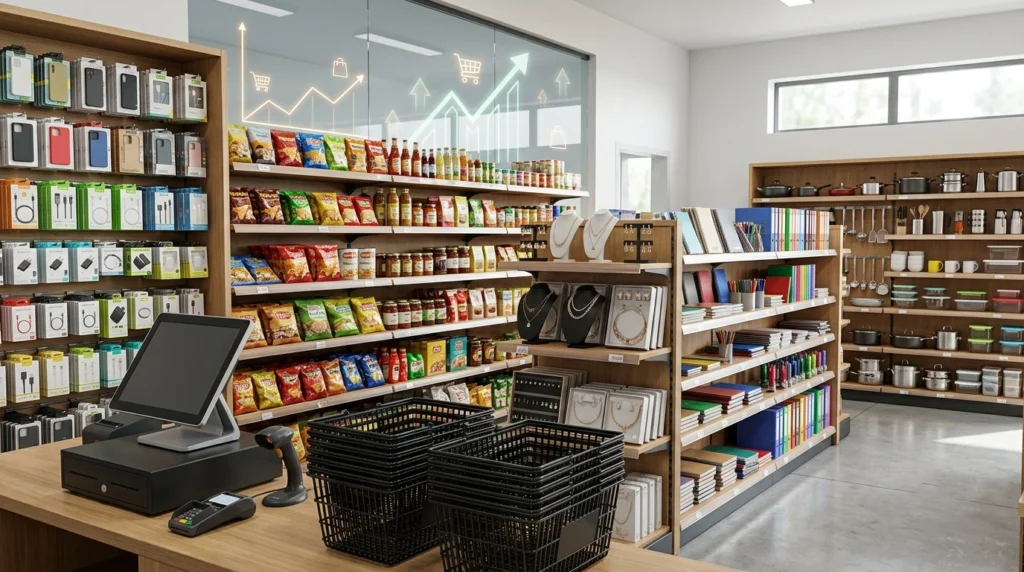
Many successful trading businesses can be started with limited capital. While these are not zero-investment business ideas, these businesses require relatively low investment, have steady market demand, and can be expanded gradually as sales increase. They are ideal for first-time entrepreneurs, students, and individuals looking to start a business without taking significant financial risks.
1. Mobile Accessories Trading Business
The growing number of smartphone users has created continuous demand for accessories such as phone covers, chargers, earphones, screen protectors, power banks, and smartwatches. Since these products are affordable and frequently replaced, they generate repeat purchases throughout the year.
You can source products from manufacturers or wholesalers and sell them through a retail store, online marketplace, or social media. Offering trendy designs, good quality, and competitive prices can help attract a loyal customer base.
- Estimated Investment: ₹50,000–₹2 Lakhs
- Earning Potential: ₹50,000–₹2 Lakhs per month
- Best For: First-time entrepreneurs, online sellers, and those looking for business ideas for teens.
2. Grocery and FMCG Product Trading
Food items and daily household essentials are products that people purchase regularly, making grocery and FMCG trading one of the most stable businesses. Products such as packaged foods, beverages, cleaning supplies, and personal care items have consistent demand across urban and rural markets.
Entrepreneurs can start with a neighbourhood store or supply products to retailers and restaurants. Building relationships with multiple FMCG brands and maintaining inventory efficiently can improve profitability.
- Estimated Investment: ₹1–3 Lakhs
- Earning Potential: ₹60,000–₹2.5 Lakhs per month
- Best For: Entrepreneurs seeking a stable business with recurring demand.
3. Artificial Jewellery Trading
Artificial jewellery has become increasingly popular because it is fashionable, affordable, and suitable for daily wear as well as special occasions. Demand remains high during weddings, festivals, and festive shopping seasons.
The business can be started online or through a retail outlet by sourcing products from manufacturers and wholesalers. Regularly updating product collections based on fashion trends can help increase sales and customer retention.
- Estimated Investment: ₹50,000–₹2 Lakhs
- Earning Potential: ₹50,000–₹2 Lakhs per month
- Best For: Fashion entrepreneurs and online businesses.
4. Stationery Products Trading
Schools, colleges, coaching institutes, offices, and businesses create year-round demand for stationery products such as notebooks, pens, files, art supplies, and office accessories. Bulk supply to educational institutions and offices can provide regular business opportunities.
The business requires a reliable supplier network and proper inventory management to ensure products are always available when customers need them.
- Estimated Investment: ₹75,000–₹2 Lakhs
- Earning Potential: ₹50,000–₹1.5 Lakhs per month
- Best For: Entrepreneurs targeting educational and office markets.
5. Kitchenware and Home Utility Products Trading
Kitchen utensils, storage containers, cookware, cleaning products, and home organisation items continue to experience strong demand due to increasing urbanisation and changing lifestyles. These products appeal to a wide customer base and often generate repeat purchases, making this one of the most reliable trading business ideas in india.
You can source products from manufacturers and sell them through retail stores, online platforms, or wholesale channels. Expanding your product range can further improve profitability.
- Estimated Investment: ₹1–3 Lakhs
- Earning Potential: ₹75,000–₹2.5 Lakhs per month
- Best For: Retail and e-commerce entrepreneurs.
B. Home-Based Trading Business Ideas
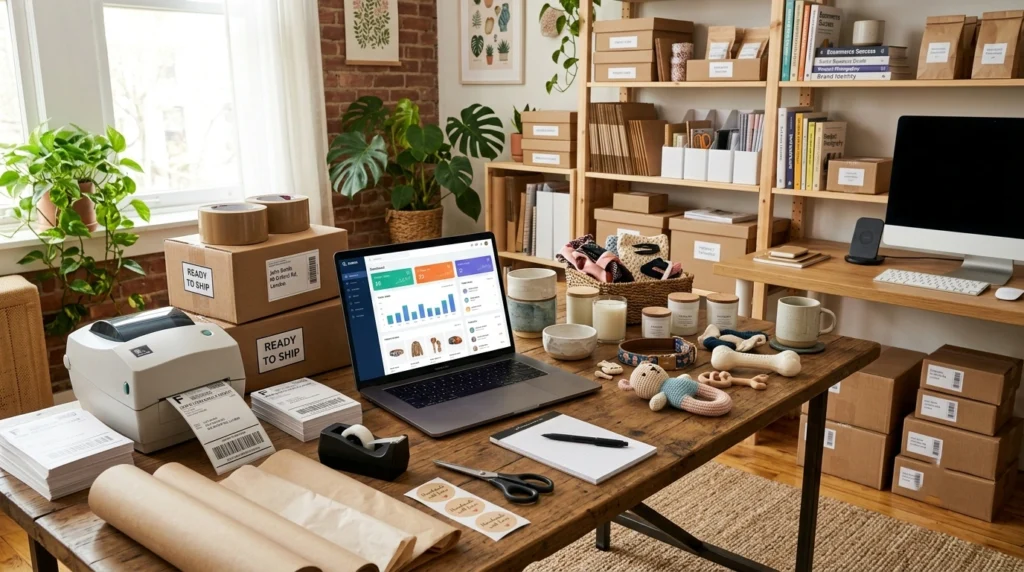
A home-based trading business is a great option for entrepreneurs, especially those looking for business ideas for women, who want to start with minimal investment and low operating costs. Since you do not need a retail store or large office space, you can manage the business from home while selling products through e-commerce platforms, social media, or your own website.
Many home-based trading businesses also allow you to test different products before expanding into a larger operation. With effective digital marketing and reliable delivery partners, you can build a profitable business without significant infrastructure investment.
6. Handmade Products Trading
Handmade products such as candles, soaps, home décor items, macramé products, pottery, and handcrafted gifts are becoming increasingly popular among customers looking for unique and personalised items. Instead of manufacturing these products yourself, you can source them from local artisans and small businesses and sell them online.
This business supports local craftsmen while allowing you to build a brand around premium and handcrafted products. Social media platforms and online marketplaces are excellent channels for reaching customers.
- Estimated Investment: ₹50,000–₹2 Lakhs
- Earning Potential: ₹50,000–₹2 Lakhs per month
- Best For: Creative entrepreneurs and online sellers.
7. Books and Educational Material Trading
Books remain in demand among students, professionals, and competitive exam aspirants. In addition to textbooks, entrepreneurs can trade children’s books, novels, reference books, educational kits, and stationery bundles, making this one of the practical trading business ideas for aspiring entrepreneurs.
You can source products from publishers, wholesalers, or distributors and sell them through online marketplaces or your own website. Seasonal demand during school admissions and examination periods provides additional sales opportunities.
- Estimated Investment: ₹50,000–₹2 Lakhs
- Earning Potential: ₹50,000–₹1.5 Lakhs per month
- Best For: Entrepreneurs interested in the education sector.
8. Fashion Accessories Trading
Fashion accessories such as handbags, wallets, sunglasses, belts, scarves, watches, and hair accessories have a large and diverse customer base. These products are relatively inexpensive to source and can offer attractive profit margins.
By following fashion trends and introducing new collections regularly, entrepreneurs can maintain customer interest and encourage repeat purchases. Social media marketing and influencer collaborations can significantly boost sales.
- Estimated Investment: ₹75,000–₹2 Lakhs
- Earning Potential: ₹60,000–₹2.5 Lakhs per month
- Best For: Fashion-focused entrepreneurs and online businesses.
9. Pet Products Trading
India’s pet care industry has grown rapidly in recent years, creating demand for pet food, toys, grooming products, beds, collars, feeding accessories, and healthcare products. Pet owners are increasingly willing to spend on premium products that improve the comfort and wellbeing of their animals.
Entrepreneurs can source products from manufacturers and sell them through online stores, pet shops, veterinary clinics, or subscription models. Expanding into premium and imported pet products can further increase profits.
- Estimated Investment: ₹1–3 Lakhs
- Earning Potential: ₹75,000–₹3 Lakhs per month
- Best For: Entrepreneurs interested in the pet care industry.
10. Toys and Baby Products Trading
Parents consistently spend on educational toys, baby care products, feeding accessories, school activity kits, and developmental learning products. As awareness about child development grows, the demand for safe and high-quality products continues to increase.
You can source products from trusted manufacturers and supply them through e-commerce platforms, toy stores, and baby product retailers. Offering certified and non-toxic products helps build customer trust.
- Estimated Investment: ₹1–3 Lakhs
- Earning Potential: ₹75,000–₹3 Lakhs per month
- Best For: Entrepreneurs targeting the children’s products market.
C. High-Profit Trading Business Ideas in India
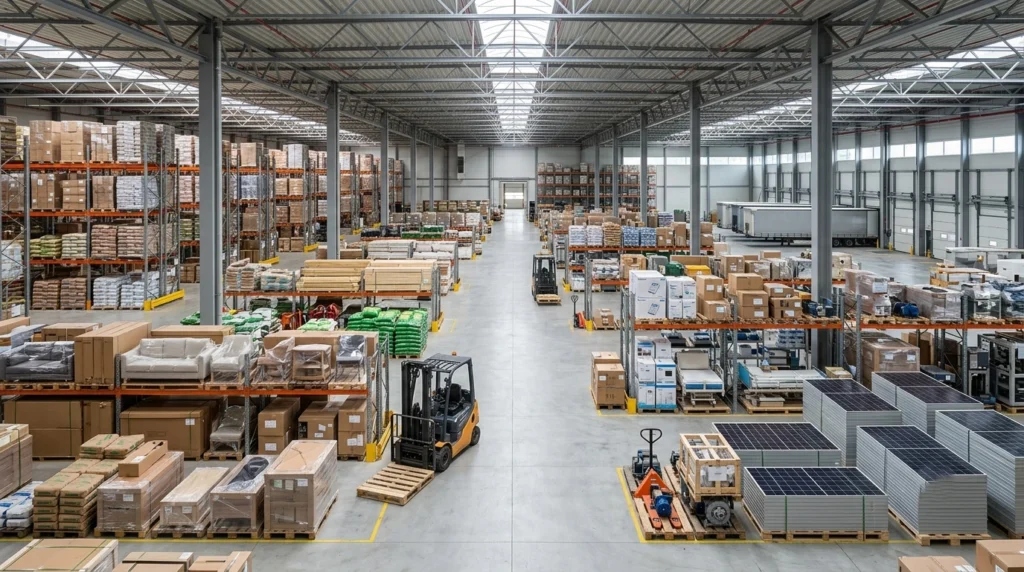
If you have a slightly higher investment budget and are willing to target business customers or premium consumer markets, several trading businesses offer excellent profit potential, making them some of the most profitable trading business ideas in india. These businesses usually involve larger order values, stronger supplier relationships, and higher margins compared to everyday consumer products.
Although they may require better industry knowledge and working capital, they also provide opportunities for long-term contracts and business expansion.
11. Building Materials Trading
India’s growing construction and real estate sectors have created continuous demand for products such as cement, steel, bricks, tiles, paints, sanitaryware, and construction chemicals. Builders, contractors, and developers regularly purchase these materials in bulk, making this one of the most profitable trading businesses.
Success depends on establishing relationships with reliable manufacturers and ensuring timely deliveries to construction sites.
- Estimated Investment: ₹5–20 Lakhs
- Earning Potential: ₹2–10 Lakhs per month
- Best For: Entrepreneurs targeting the construction industry.
12. Medical Equipment Trading
Hospitals, clinics, diagnostic centres, and laboratories require medical equipment ranging from diagnostic devices to surgical instruments and hospital furniture. As healthcare infrastructure expands across India, demand for quality medical equipment continues to grow.
Entrepreneurs should partner with certified manufacturers and provide after-sales support to build long-term relationships with healthcare institutions.
- Estimated Investment: ₹5–25 Lakhs
- Earning Potential: ₹2–8 Lakhs per month
- Best For: Entrepreneurs interested in the healthcare sector.
13. Industrial Machinery Trading
Manufacturing companies frequently purchase machinery and equipment to improve production capacity and efficiency. Products such as CNC machines, packaging equipment, food processing machinery, and industrial tools are in demand across various industries.
Although this business requires technical knowledge and supplier relationships, each sale typically generates a higher value than consumer products.
- Estimated Investment: ₹10–30 Lakhs
- Earning Potential: ₹3–12 Lakhs per month
- Best For: B2B entrepreneurs serving manufacturing industries.
14. Solar Products Trading
The growing adoption of renewable energy has increased demand for solar panels, solar inverters, batteries, solar lights, and rooftop solar accessories. Residential, commercial, and industrial customers are investing in solar solutions to reduce electricity costs.
Partnering with established solar manufacturers and installation companies can help generate recurring business and long-term growth.
- Estimated Investment: ₹3–15 Lakhs
- Earning Potential: ₹2–8 Lakhs per month
- Best For: Entrepreneurs interested in the renewable energy sector.
15. Furniture Trading Business
Residential and commercial furniture continues to experience strong demand due to urbanisation and new construction projects. Products such as sofas, dining tables, office furniture, wardrobes, and modular furniture are purchased by both individual customers and businesses.
Entrepreneurs can source products from manufacturers and sell them through showrooms, online platforms, or interior designers.
- Estimated Investment: ₹5–20 Lakhs
- Earning Potential: ₹2–8 Lakhs per month
- Best For: Entrepreneurs targeting the home and office furniture market.
16. Agricultural Inputs Trading
Farmers require seeds, fertilisers, pesticides, irrigation equipment, and farming tools every cropping season. With agriculture remaining one of India’s largest industries, trading agricultural inputs offers consistent demand, particularly in rural and semi-urban areas.
Building relationships with agricultural product manufacturers and providing expert guidance to farmers can help establish a successful long-term business.
- Estimated Investment: ₹3–10 Lakhs
- Earning Potential: ₹2–6 Lakhs per month
- Best For: Entrepreneurs serving the agriculture sector.
D. Trending and New Trading Business Ideas

Consumer preferences, technological advancements, and sustainability trends are creating new opportunities for trading businesses. Products related to clean energy, smart technology, eco-friendly living, and health are witnessing rapid growth across India. Entrepreneurs who enter these markets early can benefit from increasing demand and relatively lower competition.
If you are looking for future-focused trading business ideas in India, the following businesses have strong growth potential in 2026 and beyond.
17. Electric Vehicle (EV) Accessories Trading
India’s electric vehicle market is expanding rapidly, creating strong demand for products such as EV chargers, charging cables, helmets, riding accessories, battery covers, portable charging equipment, and maintenance tools. As more consumers switch to electric scooters and cars, the market for related accessories is expected to grow significantly.
Entrepreneurs can source products from domestic manufacturers or import specialised accessories to cater to dealerships, EV service centres, and individual customers. Building partnerships with EV retailers can help generate regular business.
- Estimated Investment: ₹2–8 Lakhs
- Earning Potential: ₹1.5–6 Lakhs per month
- Best For: Entrepreneurs interested in the electric mobility sector.
18. Smart Home Products Trading
The adoption of smart homes is increasing as consumers look for convenience, energy efficiency, and better security. Products such as smart lights, security cameras, smart locks, Wi-Fi switches, smart plugs, and voice-controlled devices have become increasingly popular.
This business can be operated through an online store, electronics showroom, or by supplying products to interior designers and home automation companies. Offering installation support can further improve customer satisfaction.
- Estimated Investment: ₹2–10 Lakhs
- Earning Potential: ₹2–8 Lakhs per month
- Best For: Technology-focused entrepreneurs.
19. Eco-Friendly Products Trading
Consumers and businesses are actively shifting towards sustainable products due to increasing environmental awareness. Reusable bottles, bamboo toothbrushes, cloth bags, biodegradable cutlery, compostable packaging, and eco-friendly stationery are among the products experiencing growing demand, making them popular trading business ideas.
By sourcing certified sustainable products and highlighting their environmental benefits, entrepreneurs can build a trusted brand. The business can be expanded through online marketplaces, corporate gifting, and retail partnerships.
- Estimated Investment: ₹1–5 Lakhs
- Earning Potential: ₹1–5 Lakhs per month
- Best For: Entrepreneurs interested in sustainable businesses.
20. Fitness Equipment Trading
The health and wellness industry continues to grow as more people invest in home workouts and fitness. Products such as dumbbells, resistance bands, yoga mats, exercise bikes, treadmills, and gym accessories remain in steady demand.
Entrepreneurs can source equipment from manufacturers and supply products to gyms, fitness studios, physiotherapy centres, and individual customers. Creating bundled fitness packages can help increase average order value.
- Estimated Investment: ₹2–10 Lakhs
- Earning Potential: ₹2–7 Lakhs per month
- Best For: Entrepreneurs targeting the fitness and wellness industry.
21. Sustainable Packaging Products Trading
With stricter environmental regulations and increasing demand for eco-friendly packaging, businesses across industries are replacing plastic packaging with sustainable alternatives. Paper bags, compostable containers, biodegradable mailers, corrugated packaging, and reusable packaging materials are now widely used by retailers, restaurants, and e-commerce businesses.
This business focuses mainly on supplying products to other businesses, making it suitable for entrepreneurs interested in the B2B market. Building relationships with restaurants, retail brands, and logistics companies can help secure recurring orders.
- Estimated Investment: ₹2–8 Lakhs
- Earning Potential: ₹2–6 Lakhs per month
- Best For: B2B entrepreneurs and packaging suppliers.
22. AI Gadgets and Smart Office Products Trading
As businesses increasingly adopt artificial intelligence and automation, along with various ai tools for business, the demand for AI-powered gadgets and smart office equipment is growing. Products such as AI-enabled webcams, smart speakers, wireless presentation devices, AI note-taking gadgets, and productivity accessories are becoming popular among professionals, startups, and corporate offices.
Entrepreneurs can source products from established brands or authorised distributors and sell them through online platforms or B2B channels. Staying updated with emerging technologies and regularly introducing new products can help maintain a competitive edge.
- Estimated Investment: ₹3–10 Lakhs
- Earning Potential: ₹2–8 Lakhs per month
- Best For: Entrepreneurs interested in technology and corporate solutions.
Types Of Trading Business In India
Trading businesses in India can be classified based on how products are bought, sold, and distributed. Some businesses focus on selling directly to consumers, while others supply products to retailers, wholesalers, or even international buyers. Understanding these different trading models will help you choose the one that best suits your investment, target market, and long-term business goals.
Whether you want to start a small online store, become a wholesale supplier, or enter the import-export industry, each type of trading business offers unique opportunities and challenges.
Wholesale Trading
Wholesale trading involves purchasing products in large quantities directly from manufacturers or authorised distributors and selling them in bulk to retailers, businesses, or institutional buyers. Wholesale traders usually do not sell directly to individual consumers. Instead, they earn profits through bulk sales and long-term business relationships.
This business generally requires a warehouse, higher working capital, and strong supplier networks. Since wholesalers deal with large order volumes, they often benefit from better purchase prices and consistent demand from retail businesses.
Retail Trading
Retail trading is one of the most common forms of trading in India. Retailers purchase products from wholesalers, distributors, or manufacturers and sell them directly to end consumers through physical stores or online platforms.
Examples include grocery stores, clothing shops, mobile phone stores, pharmacies, and supermarkets. Retail businesses require good customer service, attractive product displays, and effective inventory management to remain competitive. With the growth of e-commerce, many retailers now combine offline and online sales to reach a larger customer base.
Import Trading
Import trading involves purchasing products from foreign manufacturers or suppliers and selling them within India. Traders often import products that are unavailable locally or can be sourced at competitive prices from international markets.
Popular imported products include electronics, fashion accessories, toys, machinery, home décor, and specialised industrial equipment. Import traders must comply with customs regulations, obtain an Import Export Code (IEC), and manage shipping, taxes, and logistics efficiently.
Export Trading
Export trading focuses on selling Indian-made products to customers and businesses in international markets. India exports a wide range of products, including textiles, handicrafts, spices, pharmaceuticals, engineering goods, jewellery, and agricultural products.
Export businesses can benefit from access to larger international markets and foreign currency earnings. However, they also require knowledge of international trade regulations, export documentation, shipping procedures, and global market trends.
Online Trading
Online trading has become one of the fastest-growing business models in India. Instead of operating a physical store, entrepreneurs sell products through e-commerce marketplaces such as Amazon, Flipkart, Meesho, or their own websites.
Online traders can source products from manufacturers or wholesalers and deliver them directly to customers across the country. Digital marketing, competitive pricing, fast delivery, and positive customer reviews play an important role in building a successful online trading business.
International Trade Vs Domestic Trading: Key Differences
Businesses can operate either within India or trade with international markets. Both domestic and international trading offer profitable opportunities, but they differ in terms of customer base, regulations, logistics, investment, and business complexity. Understanding these differences can help entrepreneurs choose the trading model that best matches their resources and long-term objectives.
| Factor | Domestic Trading | International Trading |
| Market | Customers within India | Customers in foreign countries |
| Regulations | Indian business laws | Indian and international trade regulations |
| Investment | Lower | Higher |
| Logistics | Simpler transportation | Customs, shipping, and export-import procedures |
| Currency | Indian Rupees (INR) | Foreign currencies |
| Risk Level | Lower | Moderate to High |
Domestic Trading
Domestic trading involves buying and selling products within India. It is generally easier to start because businesses only need to comply with Indian laws and tax regulations. Transportation is simpler, delivery times are shorter, and communication with suppliers and customers is more convenient.
This model is ideal for first-time entrepreneurs who want to build experience before expanding into international markets. It also allows businesses to understand customer preferences and establish strong supplier relationships within the country.
International Trading
International trading involves importing products from other countries or exporting Indian products to global markets. While it offers access to a larger customer base and potentially higher profits, it also requires compliance with customs regulations, international shipping procedures, foreign exchange rules, and documentation.
Businesses engaged in international trade need an Import Export Code (IEC) and should carefully evaluate overseas suppliers, shipping costs, and market demand before expanding globally. Despite the additional complexity, international trading provides excellent opportunities for businesses looking to scale beyond the domestic market.
Why Start A Trading Business In India In 2026?
India has become one of the most attractive markets for trading businesses due to its growing economy, rising consumer spending, expanding digital infrastructure, and improving logistics network.
If you are planning to start a business in 2026, here are some of the biggest reasons why a trading business in India is worth considering.
Growing Consumer Demand
India’s large and expanding population continues to drive demand for a wide variety of products, including electronics, fashion, groceries, healthcare products, home essentials, and lifestyle goods. Rising disposable incomes and changing consumer preferences have also increased spending on premium and branded products.
For traders, this means access to a large customer base with opportunities to serve both urban and rural markets. By selecting products with consistent demand, entrepreneurs can build a stable and profitable business.
Rapid Growth of E-commerce
Online shopping has transformed the way products are bought and sold in India. Platforms such as Amazon, Flipkart, Meesho, and other e-commerce marketplaces allow traders to reach customers across the country without opening multiple physical stores.
Entrepreneurs can also create their own websites or sell through social media platforms to build a direct customer base. This flexibility reduces operational costs while making it easier to scale the business as sales increase.
Low Startup Investment
One of the biggest advantages of a trading business is that it usually requires less investment than manufacturing. Since traders purchase finished products from suppliers instead of producing them, there is no need to invest heavily in factories, production equipment, or specialised machinery.
Many trading businesses can be started from home or with a small warehouse, allowing entrepreneurs to begin on a limited budget and expand gradually as the business grows.
Improved Logistics and Supply Chain Infrastructure
India’s logistics sector has improved significantly over the past few years with better highways, dedicated freight corridors, warehousing facilities, courier services, and digital tracking systems. Faster deliveries and wider transportation networks have made it easier for traders to source products and serve customers across different regions.
This improved infrastructure enables even small businesses to compete with larger companies by offering reliable and timely deliveries.
Government Support for Businesses
The Government of India has introduced several initiatives to encourage entrepreneurship and support small businesses. Programmes such as Udyam Registration for MSMEs, the Startup India initiative, MUDRA loans, and digital business registration have made it easier for entrepreneurs to start and expand their businesses.
These schemes provide access to financial assistance, easier credit, and various business development benefits, helping reduce some of the challenges faced by new entrepreneurs.
How To Start A Trading Business In India: Step-By-Step Guide
Step 1: Choose the Right Product
The first step is selecting products that have consistent demand and healthy profit margins. Consider factors such as market trends, customer preferences, competition, product availability, and your investment budget before making a decision.
It is often better to focus on a specific niche rather than trying to sell too many unrelated products. A specialised product range can help you build expertise and attract loyal customers.
Step 2: Conduct Market Research
Before investing your money, study your target market carefully. Identify who your customers are, what products they need, how much they are willing to pay, and who your competitors are.
Market research helps you understand pricing, customer expectations, and current industry trends. It also reduces the chances of investing in products with low demand or excessive competition.
Step 3: Prepare a Business Plan
A business plan helps you define your goals and estimate your financial requirements. It should include your target market, product range, supplier strategy, marketing plan, estimated investment, operating costs, pricing strategy, and expected revenue.
A well-prepared business plan is also useful when applying for business loans or seeking investment from financial institutions.
Step 4: Register Your Business
Choose a suitable business structure such as a sole proprietorship, partnership, LLP, or private limited company based on your business goals. You should also complete the necessary registrations, including GST registration if applicable.
Registering your business improves credibility and allows you to work with larger suppliers, distributors, and corporate customers.
Step 5: Arrange Capital
Estimate the total funds required for purchasing inventory, renting storage space, transportation, marketing, business registration, and working capital. Depending on your needs, you can use personal savings, bank loans, government schemes, or investor funding.
Maintaining sufficient working capital is important because inventory purchases and supplier payments often need to be made before receiving customer payments.
Step 6: Find Reliable Suppliers
The success of a trading business depends heavily on sourcing quality products at competitive prices. Compare multiple suppliers based on product quality, pricing, delivery timelines, payment terms, and after-sales support before making a decision.
Building long-term relationships with dependable suppliers can help ensure consistent product availability and better pricing over time.
Step 7: Set Up Sales Channels
Decide how you want to sell your products. You can open a retail shop, supply wholesalers, sell through e-commerce platforms, create your own website, or use social media channels.
Many successful trading businesses combine multiple sales channels to reach a larger audience and reduce dependence on a single platform.
Step 8: Build Your Brand and Market Your Business
Marketing plays a major role in attracting customers and generating sales. Create a professional brand identity, develop a user-friendly website, and use digital marketing strategies such as search engine optimisation (SEO), social media marketing, email marketing, and paid advertising to increase visibility.
Providing excellent customer service and encouraging positive reviews can also help build trust and generate repeat business.
Step 9: Manage Inventory Efficiently
Proper inventory management helps reduce unnecessary storage costs while ensuring products remain available when customers place orders. Overstocking increases expenses, while understocking may lead to lost sales.
Using inventory management software can help monitor stock levels, track fast-selling products, and improve purchasing decisions.
Step 10: Monitor Performance and Expand
Once your business becomes stable, regularly evaluate sales performance, customer feedback, supplier relationships, and market trends. Identify opportunities to introduce new products, enter new markets, or expand into wholesale or international trading.
Continuous improvement and strategic expansion can help your trading business achieve long-term growth and profitability.
Licences And Registrations Required For A Trading Business In India
Before starting a trading business, it is important to complete the necessary legal registrations and obtain the required licences. These registrations not only help you operate legally but also improve your credibility with customers, suppliers, banks, and government authorities. The exact requirements depend on the type of products you trade, your business structure, and whether you sell within India or internationally.
Below are some of the most important licences and registrations required for a trading business in India.
GST Registration
Goods and Services Tax (GST) registration is one of the most important registrations for trading businesses. It allows you to collect GST from customers, claim input tax credit, and comply with India’s indirect tax laws.
GST registration is mandatory for businesses that cross the prescribed turnover limit or sell through most e-commerce marketplaces. Even if it is not compulsory for your business, registering voluntarily can improve your credibility and make it easier to work with suppliers and corporate customers.
Udyam Registration (MSME Registration)
Although Udyam Registration is optional, it is highly recommended for small and medium trading businesses. It officially recognises your business as a Micro, Small, or Medium Enterprise (MSME), making you eligible for various government benefits.
Registered MSMEs can access easier business loans, government subsidies, priority lending, and support programmes designed to encourage business growth and expansion.
Shop and Establishment Licence
If you operate a retail shop, office, warehouse, or commercial establishment, you may need a Shop and Establishment Licence issued by your local municipal authority or state government.
This licence regulates working conditions, employee welfare, business operating hours, and other local compliance requirements. The rules vary from state to state, so it is advisable to check the applicable regulations in your location.
Import Export Code (IEC)
If you plan to import products from other countries or export goods internationally, obtaining an Import Export Code (IEC) is mandatory. The IEC is issued by the Directorate General of Foreign Trade (DGFT) and is required for customs clearance and international trade transactions.
Without an IEC, businesses cannot legally import or export goods from India. Even if you are not planning international trade immediately, obtaining the registration can make future expansion easier.
FSSAI Licence
Businesses involved in trading food products such as packaged foods, beverages, spices, edible oils, organic foods, or health supplements require registration or licensing from the Food Safety and Standards Authority of India (FSSAI).
The type of licence depends on the size and turnover of your business. An FSSAI licence assures customers that your products comply with food safety standards and regulatory requirements.
Trade Licence
Many local municipal corporations require businesses to obtain a Trade Licence before commencing commercial operations. This licence confirms that your business complies with local safety and operational regulations.
The requirement varies depending on your city and the nature of your business, so it is advisable to verify the rules with your local authority.
Trademark Registration (Optional but Recommended)
Although trademark registration is not mandatory, it is a valuable investment for businesses planning to build a long-term brand. Registering your business name, logo, or product brand helps protect your intellectual property and prevents competitors from using similar branding.
As your trading business grows, a registered trademark strengthens brand recognition and provides legal protection against misuse.
How To Find Suppliers For Your Trading Business
Reliable suppliers are the backbone of every successful trading business. Your suppliers directly influence product quality, pricing, inventory availability, and delivery timelines. Choosing the right suppliers can improve your profit margins, while poor supplier relationships can lead to delays, customer complaints, and loss of business.
Instead of relying on a single supplier, it is generally advisable to build relationships with multiple trusted suppliers. This helps ensure uninterrupted product availability and provides greater flexibility when negotiating prices.
Source Products from Manufacturers
Buying directly from manufacturers often allows traders to obtain better pricing, especially when purchasing in bulk. Manufacturers may also offer product customisation, exclusive dealership opportunities, and long-term business partnerships.
When selecting a manufacturer, evaluate product quality, production capacity, delivery timelines, pricing, and after-sales support before placing large orders.
Use B2B Marketplaces
Online B2B marketplaces have made it easier than ever to connect with verified manufacturers, wholesalers, and distributors across India and abroad. These platforms allow traders to compare suppliers, product prices, minimum order quantities, and customer reviews in one place.
Before finalising a supplier, request product samples, verify certifications, and confirm payment terms to ensure reliability.
Visit Wholesale Markets
India has several well-known wholesale markets where traders can purchase products at competitive prices. Visiting these markets allows you to compare product quality, negotiate directly with suppliers, and build long-term relationships.
Wholesale markets are particularly useful for businesses dealing in clothing, electronics, stationery, toys, home décor, jewellery, and household products.
Attend Trade Fairs and Exhibitions
Trade fairs and business exhibitions provide excellent opportunities to meet manufacturers, distributors, importers, and exporters from different industries. These events allow entrepreneurs to discover new products, understand market trends, and negotiate directly with suppliers.
Networking at industry exhibitions can also help you identify exclusive business opportunities that may not be available through online platforms.
Work with Authorised Distributors
If you plan to sell branded products, working with authorised distributors ensures product authenticity and reliable after-sales support. Many manufacturers appoint official distributors for different regions, making them a dependable source of inventory.
Authorised distributors also provide warranty support, promotional materials, and updated product information, helping traders build customer trust.
Common Mistakes To Avoid In A Trading Business
Many trading businesses fail not because of poor products, but because of avoidable business mistakes. Lack of planning, poor supplier management, weak pricing strategies, inefficient inventory control, and other marketing challenges can reduce profitability and slow business growth.
Understanding these common mistakes can help you build a stronger business and avoid costly decisions during the early stages.
Choosing the Wrong Products
Many entrepreneurs select products based on personal preferences rather than market demand. Selling products with limited demand or excessive competition often results in slow sales and unsold inventory.
Always conduct proper market research before selecting your product range. Analyse customer demand, competitor pricing, and industry trends to identify products with consistent sales potential.
Depending on a Single Supplier
Relying entirely on one supplier increases the risk of inventory shortages if deliveries are delayed or product quality declines. It also reduces your ability to negotiate better pricing.
Maintaining relationships with multiple suppliers helps ensure uninterrupted inventory and provides greater flexibility when managing your business.
Poor Inventory Management
Holding too much inventory ties up valuable capital and increases storage costs, while insufficient inventory can lead to missed sales opportunities.
Use inventory management software or maintain accurate stock records to monitor inventory levels, identify fast-moving products, and reorder items at the right time.
Ignoring Pricing Strategy
Some businesses set prices without considering competitor pricing, operating costs, or customer expectations. Pricing products too high may reduce sales, while pricing them too low can reduce profitability.
Review your pricing strategy regularly and consider factors such as purchase cost, logistics, taxes, operating expenses, and market competition.
Neglecting Customer Service
Customer satisfaction plays an important role in the long-term success of a trading business. Slow responses, delayed deliveries, poor communication, and complicated return processes can discourage repeat purchases.
Providing excellent customer support, resolving complaints quickly, and maintaining transparent communication can help build customer loyalty and positive word-of-mouth.
Conclusion
Trading remains one of the easiest and most profitable ways to start a business in India. With relatively low investment, minimal infrastructure requirements, and access to a wide range of products, trading business ideas in india allow entrepreneurs to enter the market quickly and scale their business over time. Whether you choose to sell consumer goods, industrial products, or specialised equipment, success depends on selecting the right products, understanding customer demand, and building strong relationships with reliable suppliers.
As India’s economy, e-commerce sector, and logistics infrastructure continue to grow, the opportunities for trading businesses are expected to expand further in 2026 and beyond. By conducting proper market research, obtaining the necessary licences, managing inventory efficiently, and adopting effective marketing strategies, you can build a sustainable and profitable trading business.
Choose a trading business idea that matches your investment capacity, interests, and long-term goals. Start small, focus on customer satisfaction, and gradually expand your product range and market reach to create a successful business for the future.