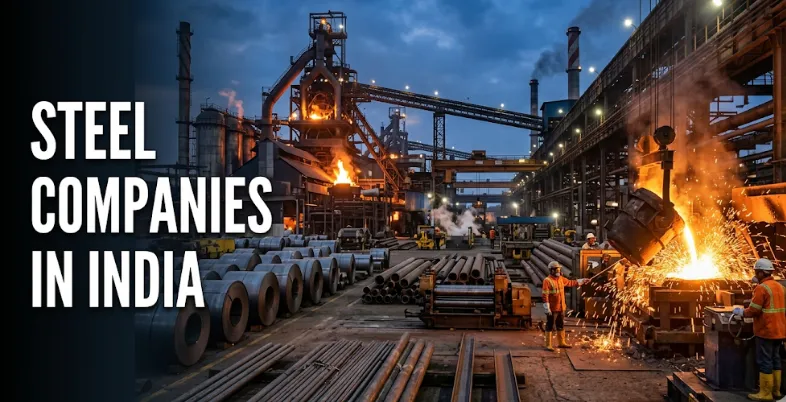
Steel companies in India play a major role in the country’s industrial and economic growth by supplying high-quality steel products to sectors such as construction, infrastructure, automotive, railways, engineering, and manufacturing. India is home to some of the world’s leading steel producers, including Tata Steel, JSW Steel, SAIL, and Jindal Steel & Power, which contribute significantly to domestic production and global exports.
These companies manufacture a wide range of steel products, including TMT bars, structural steel, sheets, coils, pipes, and specialty steel for various industrial applications. With increasing demand driven by urbanization, infrastructure projects, and government initiatives like “Make in India,” Indian steel companies are continuously expanding production capacity and adopting advanced technologies.
Many steel manufacturers are also focusing on sustainable and energy-efficient production methods to strengthen their global competitiveness and support the future growth of the Indian steel industry.
Steel Industry in India – Market Overview
India has one of the world’s largest and fastest-growing steel industries, playing a vital role in the country’s economic and industrial development. The steel sector supports major industries such as construction, infrastructure, automotive, railways, engineering, manufacturing, and energy.
Rapid urbanization, industrial growth, and increasing government investments in large-scale projects have significantly boosted steel demand across the country. India is currently the second-largest steel producer in the world after China and is also among the top steel-consuming nations globally.
The country produces nearly 145–150 million tonnes of crude steel annually and contributes around 7–8% of global steel production. Rising domestic demand, expanding manufacturing capacity, and growing exports have further strengthened India’s position in the global steel market.
Growth of the Indian Steel Industry
The Indian steel industry has experienced strong growth over the past decade due to rapid infrastructure development and industrial expansion. Government initiatives such as smart cities, highways, metro rail projects, airports, and affordable housing schemes have increased the demand for steel products in both urban and rural areas.
The construction and infrastructure sector alone accounts for more than 60% of India’s total steel consumption, making it the biggest growth driver for the industry. Industry reports suggest that the Indian steel market is expected to grow at a CAGR of around 6–7% in the coming years.
Additionally, per capita steel consumption in India continues to rise steadily, indicating growing industrial activity and improving economic development. With continuous investments in manufacturing, transportation, and energy projects, the Indian steel industry is expected to maintain long-term growth and global competitiveness.
Top 6 Types of Steel Products Manufactured in India
India manufactures a wide variety of steel products to meet the growing demands of industries such as construction, automobiles, railways, infrastructure, engineering, energy, and consumer goods. Different types of steel products are designed for specific industrial applications based on strength, durability, corrosion resistance, and flexibility requirements.
1. TMT Bars (Thermo-Mechanically Treated Bars)
TMT bars are one of the most commonly manufactured steel products in India and are widely used in the construction industry. They offer high strength, flexibility, and corrosion resistance, making them ideal for buildings, bridges, and infrastructure projects.
2. Structural Steel
Structural steel includes beams, angles, channels, and girders used in large construction and industrial projects. These products provide strong structural support for factories, warehouses, airports, bridges, and commercial buildings.
3. Steel Sheets and Plates
Steel sheets and plates are flat steel products used in automotive, shipbuilding, machinery, and construction industries. They are available in hot-rolled and cold-rolled forms depending on industrial requirements.
4. Steel Pipes and Tubes
Steel pipes and tubes are manufactured for industries such as oil and gas, water supply, construction, and transportation. India produces both welded and seamless pipes for industrial and commercial applications.
5. Stainless Steel Products
Stainless steel products are highly popular due to their corrosion resistance and durability. Indian manufacturers produce stainless steel sheets, coils, pipes, bars, utensils, and industrial components for domestic and global markets. Many Ethanol Indian manufacturers also rely on high-grade stainless steel equipment for storage, processing, and transportation because of its strength and chemical resistance.
6. Steel Coils and Strips
Steel coils and strips are widely used in the manufacturing of appliances, automotive parts, packaging materials, and electrical products. Galvanized and coated steel coils are especially in demand because of their rust-resistant properties.
List of Top 10 Steel Companies in India
1. Tata Steel
- Founded: 1907
- Headquarters: Mumbai, Maharashtra, India
- Specialty: Flat steel, long steel, automotive steel, specialty steel
- Production Capacity: Over 35 million tonnes annually globally
- Market Presence: Strong presence across India, Europe, and Southeast Asia
- Website: https://www.tatasteel.com/
Tata Steel is one of the oldest and largest steel manufacturing companies in Mumbai, known for its strong global presence and advanced production facilities. The company produces flat steel, long steel, specialty steel, and automotive-grade products for industries like construction, engineering, and infrastructure.
Tata Steel is recognized for innovation, sustainability initiatives, and high-quality manufacturing standards. The company operates multiple integrated steel plants across India and international markets.
Its focus on green steel technology, digital transformation, and capacity expansion has strengthened its leadership position in the Indian steel industry and global steel market.
- Key Products: TMT bars, hot rolled coils, cold rolled steel, automotive steel, structural steel, specialty steel.
- Why It Stands Out: Known for global operations, sustainable steel manufacturing, advanced technology, and one of India’s strongest steel industry legacies.
2. JSW Steel
- Founded: 1982
- Headquarters: Mumbai, Maharashtra, India
- Specialty: Hot rolled coils, galvanized steel, plates, specialty steel
- Production Capacity: Over 30 million tonnes annually
- Market Presence: Major domestic and international steel supplier
- Website: https://www.jswsteel.in/
JSW Steel is among India’s leading private steel manufacturers with a strong presence in domestic and international markets. The company produces hot rolled coils, cold rolled products, galvanized steel, plates, and specialty steel for sectors including automobiles, construction, energy, and infrastructure.
JSW Steel is known for modern manufacturing technology, sustainability efforts, and large-scale production capacity. The company has expanded rapidly through strategic investments and acquisitions.
Its focus on renewable energy integration, green manufacturing practices, and advanced steel solutions has positioned JSW Steel as one of the fastest-growing steel companies in India.
- Key Products: Galvanised steel, color-coated steel, hot rolled coils, plates, electrical steel, long steel products.
- Why It Stands Out: Recognised for rapid expansion, modern manufacturing facilities, renewable energy integration, and strong domestic and export market growth.
3. Steel Authority of India Limited

- Founded: 1973
- Headquarters: New Delhi, India
- Specialty: Structural steel, rails, plates, coils, specialty steel
- Production Capacity: Around 20 million tonnes annually
- Market Presence: One of India’s largest government-owned steel producers
- Website: https://www.sail.co.in/en
Steel Authority of India Limited (SAIL) is one of India’s largest government-owned steel producers and plays a major role in national infrastructure development.
The company manufactures a wide range of steel products including rails, structural steel, plates, coils, and specialty steel for construction, railways, defense, and engineering industries. SAIL operates several integrated steel plants across India and has strong distribution networks nationwide.
Known for its large production capacity and contribution to public sector projects, the company continues investing in modernization, energy efficiency, and advanced steel manufacturing technologies to strengthen India’s industrial growth.
- Key Products: Railway rails, structural steel, plates, wire rods, bars, specialty steel products.
- Why It Stands Out: One of India’s largest public sector steel producers supporting infrastructure, railways, and major government industrial projects nationwide.
4. Jindal Steel & Power

- Founded: 1979
- Headquarters: New Delhi, India
- Specialty: Rails, structural steel, plates, power and mining operations
- Production Capacity: Over 9 million tonnes annually
- Market Presence: Strong presence in infrastructure and industrial sectors
- Website: https://www.jindalsteel.in/
Jindal Steel & Power (JSPL) is a major Indian steel and energy company known for producing high-quality steel products for infrastructure, construction, power, and industrial sectors. The company manufactures rails, structural steel, plates, coils, and specialty products using advanced production technologies.
JSPL has established strong operations in steel manufacturing, mining, and power generation. Its focus on innovation, sustainability, and infrastructure development has helped it become one of India’s leading steel producers.
The company continues expanding production capacity and investing in efficient manufacturing systems to meet rising domestic and global steel demand.
- Key Products: Rails, structural steel, plates, coils, TMT bars, fabricated steel products.
- Why It Stands Out: Strong presence in steel, mining, and energy sectors with advanced manufacturing technologies and infrastructure-focused steel solutions.
5. APL Apollo Tubes
- Founded: 1986
- Headquarters: Noida, Uttar Pradesh, India
- Specialty: Structural steel tubes, pipes, hollow sections
- Production Capacity: Over 4 million tonnes annually
- Market Presence: India’s leading structural steel tube manufacturer
- Website: https://aplapollo.com/
APL Apollo Tubes is one of the India’s largest structural Steel companies in India and a leading player in the steel pipes and tubes segment.
The company produces structural tubes, galvanized pipes, hollow sections, and construction steel products widely used in infrastructure, real estate, engineering, and industrial projects. APL Apollo is known for advanced manufacturing technology, strong distribution networks, and innovative steel solutions.
The company has expanded rapidly through capacity enhancement and product diversification. Its focus on lightweight structural steel products and modern construction applications has strengthened its market leadership in India’s steel tube industry.
- Key Products: Structural steel tubes, hollow sections, galvanised pipes, MS black pipes, steel construction products.
- Why It Stands Out: India’s largest structural steel tube manufacturer with innovative lightweight construction solutions and extensive distribution networks.
6. Rashtriya Ispat Nigam Limited

- Founded: 1982
- Headquarters: Visakhapatnam, Andhra Pradesh, India
- Specialty: Long steel products, wire rods, rebars, structural steel
- Production Capacity: Around 7.3 million tonnes annually
- Market Presence: Major public sector steel producer in South India
- Website: https://www.vizagsteel.com/
Rashtriya Ispat Nigam Limited (RINL), popularly known as Vizag Steel, is a major public sector steel producer in India.
The company manufactures long steel products, wire rods, rebars, and structural steel used in construction, infrastructure, engineering, and industrial sectors. RINL is recognized for its integrated steel plant located in Visakhapatnam and its strong focus on quality manufacturing standards.
The company has played a significant role in supporting India’s industrial growth and infrastructure projects. Through modernization initiatives and operational improvements, RINL continues strengthening its production capabilities and market presence in the Indian steel industry.
- Key Products: Wire rods, rebars, structural steel, rounds, billets, long steel products.
- Why It Stands Out: Popularly known as Vizag Steel, it is recognised for high-quality long steel products and strong infrastructure sector contribution.
7. Sunflag Iron and Steel Company Limited

- Founded: 1984
- Headquarters: Mumbai, Maharashtra, India
- Specialty: Alloy steel and specialty steel products
- Production Capacity: Around 500,000 tonnes annually
- Market Presence: Strong presence in automotive and engineering industries
- Website: https://sunflagsteel.com/
Sunflag Iron and Steel Company Limited is a well-known Indian steel manufacturer specialising in alloy steel and specialty steel products. The company supplies steel solutions to industries such as automobiles, engineering, railways, defense, and heavy machinery manufacturing.
Sunflag is recognised for producing high-grade steel products with advanced metallurgical technologies and strict quality standards. Its integrated manufacturing facilities support efficient production processes and customized industrial solutions.
The company has built a strong reputation for reliability, technical expertise, and product quality. Continuous investment in modernisation and process improvement helps maintain its competitive position in India’s specialty steel sector.
- Key Products: Alloy steel, carbon steel, engineering steel, stainless steel bars and wire rods.
- Why It Stands Out: Specialises in high-grade alloy steel products used extensively in automotive, engineering, and industrial manufacturing sectors.
8. ESL Steel Limited
- Founded: 2006
- Headquarters: Bokaro, Jharkhand, India
- Specialty: Pig iron, billets, TMT bars, wire rods
- Production Capacity: Around 1.5 million tonnes annually
- Market Presence: Growing presence in infrastructure and construction markets
- Website: https://www.eslsteel.com/
ESL Steel Limited is one of the most integrated Steel companies in India, known for producing pig iron, billets, wire rods, ductile pipes, and TMT bars for infrastructure and construction sectors.
The company operates modern manufacturing facilities designed to improve operational efficiency and product quality. ESL Steel focuses on sustainable production methods, advanced technologies, and efficient resource utilisation to support long-term industrial growth.
Its steel products are widely used in real estate, engineering, and infrastructure projects across India. Through strategic expansion and modernisation efforts, ESL Steel continues strengthening its position within the Indian steel manufacturing industry.
- Key Products: Pig iron, billets, TMT bars, wire rods, ductile pipes, structural steel.
- Why It Stands Out: Focuses on integrated steel manufacturing, operational efficiency, and sustainable production technologies for infrastructure development projects.
9. Essar Steel India
- Founded: 1969
- Headquarters: Mumbai, Maharashtra, India
- Specialty: Flat steel products, hot rolled coils, galvanized steel
- Production Capacity: Over 10 million tonnes annually
- Market Presence: Strong domestic and export steel market operations
- Website: https://www.essar.com/
Essar Steel India is a prominent steel manufacturing company known for producing flat steel products for automotive, construction, engineering, and shipbuilding industries. The company operates advanced steel processing facilities and has strong capabilities in steel manufacturing, distribution, and exports.
Essar Steel gained recognition for its large-scale integrated steel operations and modern production technologies. Its product portfolio includes hot rolled coils, cold rolled products, galvanised steel, and specialised industrial steel solutions.
The company’s focus on operational efficiency, infrastructure development, and technology-driven manufacturing has helped maintain its importance within India’s competitive steel industry.
- Key Products: Hot rolled coils, cold rolled steel, galvanized sheets, plates, pipeline steel products.
- Why It Stands Out: Known for advanced flat steel manufacturing capabilities and strong presence in domestic and international steel markets.
10. Viraj Profiles Limited
- Founded: 1992
- Headquarters: Mumbai, Maharashtra, India
- Specialty: Stainless steel long products, flanges, fasteners, wire rods
- Production Capacity: Over 500,000 tonnes annually
- Market Presence: Major exporter with presence in multiple global markets
- Website: https://www.viraj.com/
Viraj Profiles Limited is one of India’s leading stainless steel manufacturers and exporters with a strong global presence. The company produces stainless steel long products, wire rods, fasteners, flanges, and specialty steel solutions used across construction, energy, engineering, and industrial sectors.
Viraj Profiles is known for its integrated manufacturing facilities, export-focused operations, and high-quality stainless steel production standards.
The company supplies products to numerous international markets and industries worldwide. Continuous investment in technology, sustainability, and production expansion has strengthened Viraj Profiles’ reputation as a major player in India’s stainless steel manufacturing industry.
- Key Products: Stainless steel wire rods, fasteners, flanges, bright bars, stainless steel long products.
- Why It Stands Out: One of India’s leading stainless steel exporters with strong global market reach and integrated manufacturing facilities.
Factors to Consider Before Choosing a Steel Company
Choosing the right steel company is important for ensuring product quality, long-term durability, timely delivery, and cost efficiency. Businesses should carefully evaluate multiple factors before selecting a steel manufacturer or supplier.
- Product Quality Standards: Check whether the company follows certified manufacturing standards and provides high-quality steel products suitable for industrial and construction requirements consistently.
- Production Capacity: Choose companies with strong manufacturing capacity to ensure uninterrupted supply for large infrastructure, engineering, or industrial projects without delays.
- Range of Steel Products: A reliable steel company should offer diverse products including TMT bars, coils, sheets, pipes, stainless steel, and specialty steel materials.
- Industry Reputation: Evaluate the company’s market reputation, years of experience, customer reviews, and major project partnerships before making purchasing decisions carefully.
- Pricing and Cost Efficiency: Compare pricing structures, transportation costs, and long-term value instead of focusing only on the lowest steel product prices available.
- Technology and Innovation: Modern steel companies using advanced manufacturing technologies generally provide better product consistency, energy efficiency, and environmentally sustainable production processes.
- Delivery and Supply Chain Network: Strong logistics and distribution networks, supported by an efficient logistics management system, help companies ensure timely deliveries across multiple regions without operational disruptions or material shortages.
- Sustainability and Environmental Practices: Many industries prefer steel companies adopting eco-friendly manufacturing, recycling initiatives, and carbon reduction practices to support sustainable industrial development.
Indian Steel Industry Challenges
The Indian steel industry continues growing rapidly, but it also faces multiple operational, financial, environmental, and global market challenges that impact production efficiency, profitability, sustainability, and long-term competitiveness in domestic and international markets.
- Fluctuating Raw Material Prices: Frequent price changes in iron ore, coal, and energy resources increase production costs and reduce profit stability for steel manufacturers.
- High Energy Consumption: Steel manufacturing requires massive electricity and fuel consumption, making operational costs significantly higher compared to several global competitors.
- Environmental and Emission Regulations: Stricter environmental laws and carbon emission controls force steel companies to invest heavily in sustainable and cleaner manufacturing technologies.
- Global Market Competition: Indian steel companies face strong competition from low-cost international producers, especially from countries with cheaper production and export advantages.
- Infrastructure and Logistics Issues: Transportation delays, port congestion, and inefficient logistics networks increase delivery costs and disrupt supply chain efficiency for manufacturers.
- Demand Fluctuations in Key Industries: Slowdowns in construction, real estate, automobile, and infrastructure sectors directly affect steel demand and overall market growth opportunities.
- Dependence on Imported Coking Coal: India relies heavily on imported coking coal for steel production, making the industry vulnerable to global supply disruptions and price volatility.
Future Trends in the Indian Steel Industry in 2026
The Indian steel industry is expected to witness strong growth in the coming years due to rapid urbanization, infrastructure expansion, and increasing industrial demand. As India continues to position itself as a global manufacturing hub, the steel sector is evolving with new technologies, sustainability initiatives, and changing market requirements. Below are some of the key future trends shaping the Indian steel industry.
Growing Demand from Infrastructure and Construction
One of the biggest growth drivers for the Indian steel industry is the increasing investment in infrastructure and construction projects. Government initiatives such as smart cities, highways, railways, metro networks, airports, and affordable housing are creating massive demand for steel products.
As urban development accelerates, the requirement for structural steel, TMT bars, and other construction materials is expected to rise steadily. This trend will continue to support long-term growth in steel production and consumption across India.
Rise of Green Steel and Sustainable Manufacturing
Sustainability is becoming a major focus in the global steel market, and Indian steel manufacturers are also moving toward environmentally friendly production methods. Companies are investing in green steel technologies to reduce carbon emissions and improve energy efficiency.
The use of renewable energy, hydrogen-based steelmaking, and recycling processes is expected to increase in the coming years. Steel manufacturers are also adopting cleaner production techniques to meet environmental regulations and global sustainability standards.
Increasing Adoption of Advanced Technologies
Technology is transforming the Indian steel sector with the introduction of automation, artificial intelligence, data analytics, and smart manufacturing systems. Modern steel plants are increasingly using digital tools to improve operational efficiency, reduce waste, and enhance product quality.
Automation and predictive maintenance systems help manufacturers lower costs and improve productivity. Industry 4.0 technologies are likely to play a significant role in making Indian steel production more competitive globally.
Expansion of Domestic Manufacturing Capacity
India is continuously expanding its steel production capacity to meet rising domestic and international demand. Major steel companies are investing heavily in new plants, modernization projects, and capacity expansion initiatives.
The government’s “Make in India” initiative is also encouraging domestic steel production and reducing dependence on imports. As production capacity grows, India is expected to strengthen its position among the world’s leading steel producers.
Growth in Steel Exports
Indian steel manufacturers are increasingly targeting international markets due to rising global demand and improved product quality. The country’s competitive manufacturing costs and expanding production capabilities are supporting export growth.
With stronger trade relations and improved logistics infrastructure, India has the potential to become a major exporter of finished steel products in the future. Export diversification will also help reduce dependence on domestic demand cycles.
Focus on High-Quality and Specialized Steel
The future Indian steel market will not only depend on quantity but also on the production of high-value and specialized steel products. Industries such as automotive, defense, renewable energy, and engineering require advanced steel grades with better strength and durability.
Steel companies are investing in research and development to produce premium-quality steel products that meet international standards. This shift toward value-added steel manufacturing is expected to increase profitability and global competitiveness.
Recycling and Circular Economy Practices
Steel recycling is expected to become more important in India’s future industrial landscape. Scrap-based steel production reduces environmental impact and conserves natural resources.
The government and private sector are encouraging organized scrap collection and recycling systems to support sustainable steel manufacturing. Circular economy practices will help reduce production costs and improve resource efficiency over time.
Government Policies and Investments
Government support remains a major factor influencing the future of the Indian steel industry. Policies focused on infrastructure development, domestic manufacturing, and foreign investment are creating favorable conditions for industry growth.
Production-linked incentive (PLI) schemes, import regulations, and investments in logistics infrastructure are expected to strengthen the sector further. Public and private sector collaboration will continue to drive innovation and expansion in the steel market.
Increasing Demand from the Automotive Sector
The automotive industry is another major contributor to future steel demand in India. As vehicle manufacturing grows, the need for lightweight and high-strength steel materials is increasing.
Electric vehicles and modern automotive technologies are also encouraging the development of advanced steel products that improve safety, fuel efficiency, and performance. This trend is likely to create new opportunities for steel manufacturers.
Digital Supply Chain and Smart Logistics
The Indian steel industry is also moving toward digital supply chain management systems. Real-time tracking, inventory management, and data-driven decision-making are helping companies improve delivery efficiency and customer satisfaction.
Digital transformation in logistics and procurement will reduce operational delays and improve supply chain transparency in the future.
Conclusion
The Indian steel industry continues to play a vital role in the country’s economic growth, infrastructure expansion, and industrial development. The top steel companies in India have strengthened their market positions through advanced manufacturing technologies, large production capacities, global exports, and sustainable business practices.
These companies support major sectors such as construction, automobiles, railways, engineering, and energy while also creating significant employment opportunities. With increasing government investment in smart cities, highways, renewable energy, and industrial projects, the demand for high-quality steel is expected to rise further. India’s leading steel companies continue driving innovation, growth, and global competitiveness in the steel sector.