India’s food service industry is undergoing a major shift as cloud kitchen franchises continue to expand rapidly. These digital-first food businesses use delivery-only models and proven franchise systems to reshape how restaurants operate. The cloud kitchen market in India is currently valued at around $1.5–2 billion and is growing at a CAGR of 12–16%, making it one of the fastest-growing segments in the food industry.
The appeal of cloud kitchen franchises lies in their low setup costs, minimal infrastructure needs, and the ability to operate multiple brands from a single kitchen. Compared to traditional restaurants, they can reduce setup costs by 30–50%, making them a popular choice for entrepreneurs in both metro cities and smaller towns.
This report explores the top Cloud Kitchen Franchise in India, covering key players, typical investment ranges (₹5–20 lakhs), operational models, and the factors driving success in this growing space.
What is a Cloud Kitchen Franchise?
Cloud kitchen franchises operate as commercial food production sites dedicated to online delivery because they lack space to serve customers on-site. Digital restaurants run their business through partnerships with Swiggy and Zomato alongside other food aggregator platforms to provide exclusive online delivery service.
The cloud kitchen franchise business model provides multiple decisive benefits to operators.
- Reduced Overhead: Kitchen franchises function in reduced facilities since they remove traditional restaurant dining areas If you prefer a business where ambiance and the dine-in experience are core to profitability, India’s casual dining segment has strong performers too. Our guide on the Barbeque Nation franchise cost, profit, and process covers how this premium format generates returns despite higher setup costs. requiring space which amounts to 60-70% less than standard establishments.
- Multi-Brand Operations: Cloud kitchens can operate between three to six unique food brands at their single franchise location which boosts revenue efficiency through increased kitchen efficiency.
- Data-Driven Strategy: Kitchen franchises use customer data analytics to run optimal menus and marketing strategies and pricing structures through proprietary business intelligence tools that their top franchisors provide their franchisees.
- Scalability: Kitchen franchises achieve rapid market expansion due to their minimal customer contact requirements and consequently require less upfront costs than typical restaurant models.
Types of Franchise Models
FOFO – Franchise Owned, Franchise Operated
The outlet is owned by the franchisee, who runs all daily operations independently. They make a single franchise fee and continue royalty payments to the brand but retain the right to operate at will within brand parameters, make staffing choices and manage with flexibility within brand parameters.
FOCO – Franchise Owned, Company Operated
The franchisee makes investments in the facility and the infrastructure but all the day-to-day running, employees, and marketing are assumed by the parent company. It is a type of passive income in which the franchisee typically earns a 15-20% revenue margin without having to intervene in operations.
FOPO – Franchise Owned, Partner Operated
A new type of hybrid system in which the franchisee is the owner of the unit and the routine operation is conducted by third-party partners. This eliminates the operational load of the owner and at the same time the brand standards are maintained throughout the outlet.
Why Choose a Cloud Kitchen Franchise Over Starting Your Own?
A cloud kitchen franchise investment is more favorable than independent operations because it offers substantial enterprise advantages that drive profitability and sustainability.
Economic Advantages
A cloud kitchen franchise demands investment amounts that are 50–70% lower than those for conventional restaurants, because owners need ₹5–30 lakhs to start their kitchens but must spend ₹50 lakhs–1.5 crores on traditional food-service location setup. The National Restaurant Association of India (NRAI) reports cloud eateries reach financial break-even much sooner, at 8–12 months, which is half the time compared to 18–24 months of traditional dining restaurants.
Operational Benefits
Cloud kitchen franchises that lead the industry deliver tested operational frameworks and universal standard procedures across multiple locations, providing a 63% increase in operational security compared to single-sited independent operations. A franchisee operating multiple cuisine brands through the multi-brand model can generate increased revenue potential of 120-150% from running 3-5 concepts out of one kitchen.
Market Access
Top kitchen franchises achieve widespread market awareness, reaching up to 75% in their target areas, which reduces customer-acquisition expenses through marketing programs. Food delivery aggregators offer top kitchen franchises favorable terms, including commission rate reductions down to 18–22 percent, while improving their search algorithm ranking.
Comparison: Cloud Kitchen Franchise vs. Independent Operation
| Factor | Cloud Kitchen Franchise | Independent Cloud Kitchen |
| Initial Investment | ₹5-30 lakhs | ₹12-40 lakhs |
| Time to Market | 45-60 days | 90-120 days |
| Break-Even Period | 8-12 months | 12-18 months |
| Food Cost | 28-32% of revenue | 32-38% of revenue |
| Brand Recognition | Immediate | 6-12 months to establish |
| Technology Systems | Provided | Self-development required |
| Aggregator Commissions | 18-22% | 25-30% |
| Marketing Support | Comprehensive | Self-managed |
| Success Rate (2-year) | 78% | 42% |
The data convincingly demonstrates that kitchen franchises offer substantially reduced risk profiles while accelerating profitability timelines, making them increasingly attractive to investors seeking food industry opportunities with manageable risk parameters.
Top 10 Cloud Kitchen Franchise Opportunities in India (2026)
1. Rebel Foods

The cloud kitchen franchise leader Rebel Foods operates 4,000 internet restaurants which serve customers across various countries throughout India. Their innovative “Thrasio of food” model encompasses recognizable brands like Faasos, Behrouz Biryani, Ovenstory Pizza, and Mandarin Oak. Rebel Foods earned unicorn status during 2021 after securing $175 million funding which elevated its business value to $1.4 billion. The proprietary kitchen operating systems developed by the company produce 35% more operational efficiency than conventional restaurant systems.
- Franchise Models: Master franchise and operational franchise options
- Investment Range: ₹30-50 lakhs
- Franchise Fee: ₹5-10 lakhs (non-refundable)
- Space Requirements: 500-1,200 sq. ft.
- Support Offered: Training, marketing, supply chain integration, technology platform
- Revenue Sharing: 3-5% of gross revenue
- Profit Margin: 22-28% after all expenses
2. Biryani By Kilo

Biryani By Kilo stands apart due to its authentic culinary methods which involve cooking biryani in single clay containers using the “dum” cooking method. Since 2018 the cloud kitchen franchise has achieved year-over-year growth of 60% as it has added over 120 locations throughout 25+ cities. The traditional cooking methods along with premium ingredients allow them to retain 42% of their customers better than the industry standard of keeping 29%. To reach 200 locations the company plans for expansion through 2026.
- Franchise Models: FOFO (Franchise-Owned Franchise-Operated)
- Investment Range: ₹20-30 lakhs
- Franchise Fee: ₹7.5 lakhs
- Space Requirements: 700-1,000 sq. ft.
- Support Offered: Chef training, marketing, centralized ingredient sourcing
- Revenue Sharing: 4% of gross revenue
- Profit Margin: 20-25% after all expenses
3. Gobbler’s
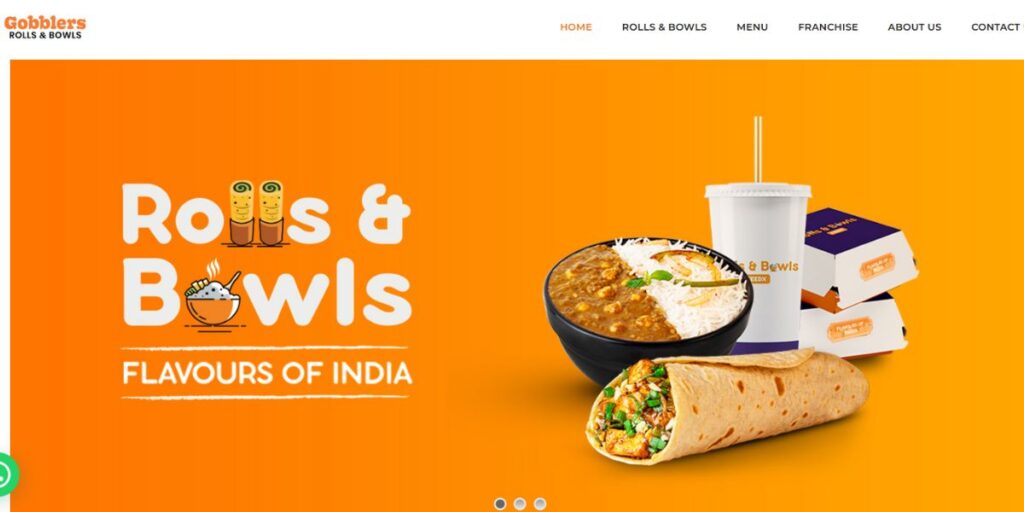
Gobbler’s launched in 2019 then accelerated its growth to establish 53 outlets catering premium rolls and wraps while spotlighting fusion cuisine until today. Through their efficient kitchen layout Gobbler’s uses 40% less building space than conventional cloud kitchen franchises yet produces the same quantity of food. The combination of AI forecasting technology allows the company to minimize ingredient waste by 27%. The Gobbler’s network handles about 1,500 daily orders through its entire operational setup.
- Franchise Models: Standard franchise and mini-franchise options
- Investment Range: ₹7-15 lakhs
- Franchise Fee: ₹3 lakhs
- Space Requirements: 250-500 sq. ft.
- Support Offered: Comprehensive training, proprietary recipe access, marketing support
- Revenue Sharing: 1-10% sliding scale based on monthly revenue
- Profit Margin: 18-24% after all expenses
4. WarmOven

WarmOven manages a dessert and bakery segment through their operation of more than 70 kitchen franchises based in India. The company launched in 2019 and developed its competitive position through specialized business in cakes and cookies and dessert items that lead to higher average order value than multi-item providers. The proprietary packaging methods of WarmOven enable a 30% product freshness duration which allows expanded delivery zones. Monthly order processing at the brand reaches 35,000 orders and delivers products on time to customers 88% of the time.
- Franchise Models: Standard franchise with centralized production options
- Investment Range: ₹2-5 lakhs
- Franchise Fee: ₹1 lakh
- Space Requirements: 200-400 sq. ft.
- Support Offered: Recipe training, technology platform, marketing materials
- Revenue Sharing: Performance-based model (5-8%)
- Profit Margin: 25-30% after all expenses
5. Fresh Menu

The leader in the Indian food delivery ecosystem having begun its operations in 2014. As a culinary service provider, Fresh Menu produces chef-made signature dishes which feature daily selection changes and offer international food witha specific local touch. Fresh Menu has achieved widespread expansion across four major cities of India while reaching over 50 cloud kitchens in the national territory. The company implements a business approach that delivers high-quality ingredients, inventive recipes, and quick distribution logistics.
The Indian cloud kitchen market will grow to $2.5 billion by 202,6 and Fresh Menu will use its franchise program to exploit this opportunity during 2025. The company serves young working individuals as well as families in cities who desire restaurant-quality meals delivered conveniently. Through their advanced technology syste,m Fresh Menu facilitates franchisees to improve operational efficiency while adapting their menus to satisfy each location’s preferred customer preferences better.
- Franchise Models Offered: Hub-and-spoke model with central commissary and multiple delivery-only outlets.
- Investment Range: ₹30 lakhs to ₹75 lakhs depending on location and kitchen size.
- Franchise Fee: ₹10 lakhs one-time fee with a 5-year renewable agreement.
- Space Requirements: 500-1,200 sq. ft. for standard cloud kitchen units.
- Support Offered: Comprehensive training, centralized marketing, proprietary technology platform, and operational guidance.
- Revenue Sharing: 8-12% of monthly gross sales.
- Profit Margin: Average 18-22% net profit after all expenses and fees.
6. Box8
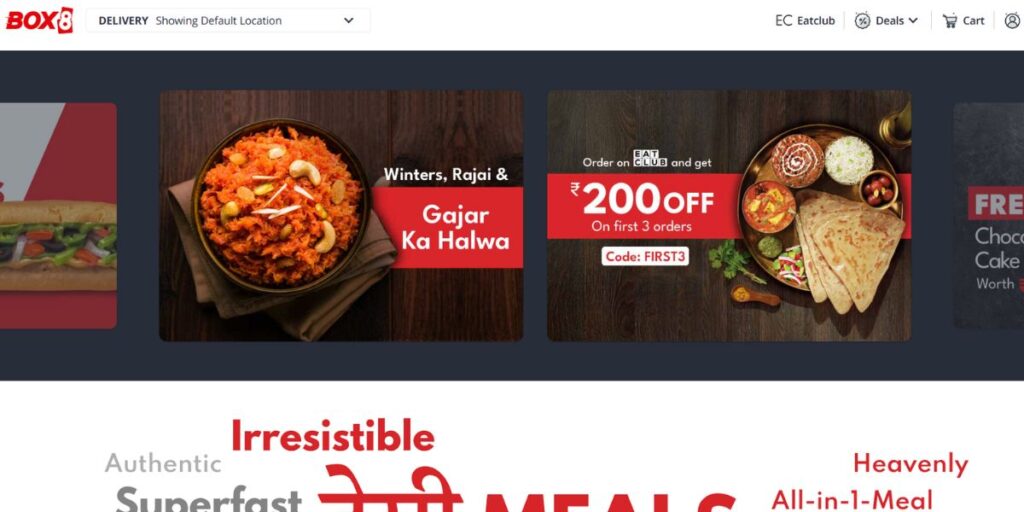
Box8 introduced the Indian QSR cloud kitchen franchise model through their Mumbai startup which has expanded to more than 150 locations across the entire nation of India. The company implements a combination of Indian culinary tastes and practical packaging solutions that shortens delivery durations by 13% compared to normal industry standards. Through their self-developed kitchen management system the company achieved a 42% decrease in order processing durations starting from the day they launched it. Validation of their customer satisfaction shows a score of 4.3/5 while the company reaches 60,000 customers every week.
- Franchise Models: Standard franchise and micro-cloud kitchen options
- Investment Range: Under ₹5 lakhs
- Franchise Fee: ₹1.5 lakhs
- Space Requirements: 250-500 sq. ft.
- Support Offered: Comprehensive training, technology platform, marketing
- Revenue Sharing: 5-10% of gross revenue
- Profit Margin: 20-25% after all expenses
7. Karim’s
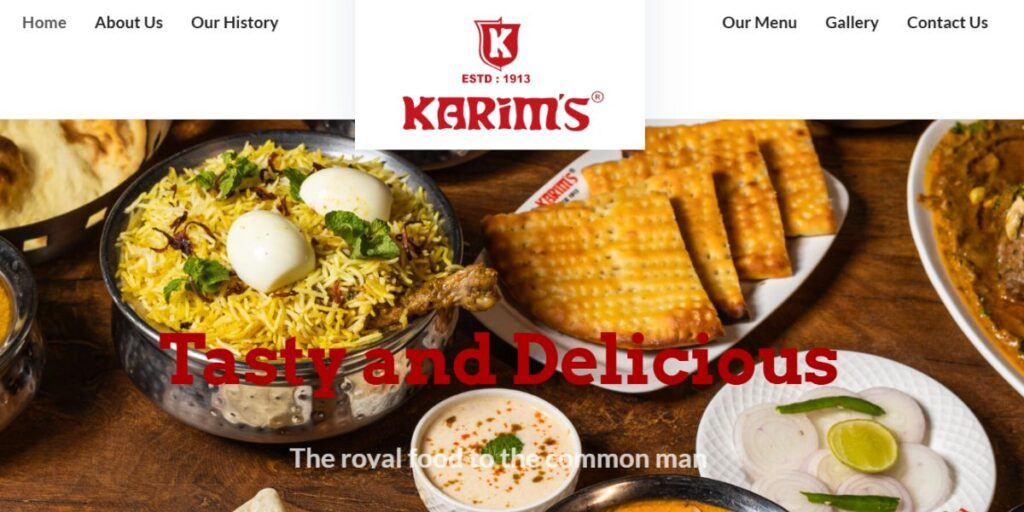
Karim’s maintains a successful fusion of its historic heritage dating back to 1913 together with contemporary cloud kitchen operations. By implementing their franchise model they maintain real Mughlai cuisine and exploit digital delivery solutions. The business started operating cloud kitchen franchises in 2018 and achieved fifty locations while aiming to reach 150 locations by 2027. The brand value improves price offerings by 15% despite competition yet consumers show devotion by acquiring products more than two times per month.
- Franchise Models: Premium franchise and heritage kitchen concepts
- Investment Range: ₹50 lakhs-1 crore
- Franchise Fee: ₹15 lakhs
- Space Requirements: 800-1,500 sq. ft.
- Support Offered: Chef training, authentic recipe development, marketing, technology
- Revenue Sharing: 7% of gross revenue
- Profit Margin: 22-27% after all expenses
8. Zomato Hyperpure Kitchens

Zomato Hyperpure Kitchens is a modern infrastructure-driven platform that supports cloud kitchen entrepreneurs with ready-to-use, fully equipped kitchen spaces. Backed by Zomato’s extensive logistics, supply chain, and tech ecosystem, Hyperpure Kitchens caters to food brands seeking a fast and reliable way to launch or expand delivery operations.
With access to Zomato’s Hyperpure ingredient sourcing platform, partners benefit from clean-label, high-quality supplies at competitive prices. The model minimizes setup time, reduces overhead, and enables operators to focus on food quality and brand growth, making it ideal for new ventures and established F&B chains.
- Franchise Models: Infrastructure and kitchen leasing model (not traditional franchise)
- Investment Range: ₹8–12 lakhs (setup & operational costs)
- Franchise Fee: None (leasing/licensing model)
- Space Requirements: 300–1000 sq. ft. per kitchen unit
- Support Offered: Fully equipped kitchen units, ingredient sourcing via Hyperpure, tech integration, access to Zomato’s delivery ecosystem
- Revenue Sharing: Typically, none; rent/lease structure instead
- Profit Margin: 20–25%, depending on scale and cuisine
- Website: hyperpure.com
9. The Rolling Plate

The Rolling Plate started in 2019 before its expansion to over twenty storefronts that serve innovative street-food rolls and bowls presented in modern formats. Their midway position between Quick Service Restaurants and premium dining prepared them to succeed in upper-middle-class communities through orders with values surpassing category norms by 27 percent. The process-based workflow optimization cuts their staff needs down by 30% but keeps their kitchen productive capacity intact.
- Franchise Models: Standard and express formats
- Investment Range: Under ₹10 lakhs
- Franchise Fee: ₹2 lakhs
- Space Requirements: 350-600 sq. ft.
- Support Offered: Operations training, marketing support, technology platform
- Revenue Sharing: Up to 10% based on performance tiers
- Profit Margin: 20-25% after all expenses
10. Mr. Shawarma

The company called Mr. Shawarma launched in 2017 and now operates more than 50 franchised cloud kitchens that serve Middle Eastern food with Indian influence. The investments they made in specialized equipment enable them to produce authentic shawarma products 40% faster than in basic, general-purpose kitchens. The focused menu strategy of their cloud kitchen operations produces food expenses 33% below multi-cuisine facilities without a negative impact on customer ratings, which stay above 4.2/5. The brand operates a daily transaction volume of 2,500 orders throughout their various kitchen franchises.
- Franchise Models: Standard and mini-franchise options
- Investment Range: ₹5-10 lakhs
- Franchise Fee: ₹2 lakhs
- Space Requirements: 300-600 sq. ft.
- Support Offered: Specialized equipment training, recipe standardization, marketing
- Revenue Sharing: Up to 10% based on revenue tiers
- Profit Margin: 22-28% after all expenses
Pure Veg Cloud Kitchen Franchise in India
- Diverse Menu: Serves burgers, pizzas, and pastas to cater to the diverse customers with Indian dishes such as pav bhaji.
- Low Investment Entry: Franchise entry costs as low as ₹2.9 lakhs with brands such as The Rolling Plate.
- Zero Royalty Models: There are other franchises that provide lifetime licensing without monthly royalty payments or profit shares.
- Niche Market Strength: Pure veg positioning will appeal to a large number of loyal, underserved vegetarians.
- Brand Support Provided: Franchisors give standard SOPs, staff training and seasonal marketing of vegetarian products.
Factors to Consider When Choosing a Cloud Kitchen Franchise
The process of choosing a cloud kitchen franchise demands thorough investigation into various essential factors:
Brand Strength and Recognition
Prospective franchisees should check brand search volumes on Google Trends, as successful kitchen franchises typically demonstrate annual demand growth of 25–40%. The evaluation of delivery platform ratings reveals that successful franchises achieve a 4.2 rating on the ResponseType scale at 78% of their locations.
Technology Infrastructure
Cloud kitchen franchises that lead the market spend 12–15% of their earnings on proprietary operational software, which boosts kitchen performance. A quality indicator for franchises is their ability to seamlessly integrate with various delivery systems, while leading franchises maintain a 99.7% order precision rate.
Territory Exclusivity
The planning process for franchise territories uses a protection radius which normally measures between 1.5 to 3 kilometers in urban areas to prevent intra-franchise market competition. About three-quarters (75%) of franchises contain essential development schedules within their agreements which specify expansion deadlines.
Support Structure
Franchisors provide a minimum of 14-day, but up to 30-day, training to new franchisees, which they back up with regular refresher courses to maintain consistent quality. System-wide sales generate corporate marketing funds totaling between 1% and 3% to increase brand visibility.
Financial Performance
The Unit Economics evaluation requires reviewing Item 22 in the disclosure documents, as it shows the franchise’s actual performance metrics. The complete cost structure needs analysis against industry benchmarks for the purpose of maintaining sustainability.
Adaptability to Market Changes
Successful kitchen franchises maintain their market position by updating 15–20% of their menu items each quarter when following new food market trends. Price flexibility among leading franchises enables local adjustments from franchisees to cater to their market conditions while present in 65% of major franchises.
Cloud Kitchen Franchise Cost in India
- Franchise Fee: ₹2 – ₹10 lakhs (one-time payment to the brand).
- Kitchen Setup & Equipment: ₹2 – ₹12 lakhs depending on brand and scale.
- Licenses & Permits: ₹20,000 – ₹1 lakh (FSSAI, GST, trade license, Fire NOC).
- Initial Marketing & Branding: ₹30,000 – ₹1 lakh for launch campaigns.
- Working Capital: ₹50,000 – ₹1.5 lakhs for initial operations and inventory.
- Total Investment: ₹5 lakhs (small setup) to ₹30+ lakhs (established brand).
Cloud Kitchen Profit & ROI in India
In India, cloud kitchens achieve net profit margins of 15-30%- much higher than traditional restaurants (5-15%). The major benefit is that it will reduce real estate expenses by 40-60%, and front-of-house overheads are minimal. Whereas delivery aggregators take a 20-30% commission, effectively operated kitchens remain profitable with food costs at 30-35% and packaging at 5-8% of revenue.
The break-even period of most outlets is between 6 and 18 months. Having more than one virtual brand based in the same kitchen is another way to increase stakes and resource use, making cloud kitchens one of the most economical food business models in India today.
How to Start a Cloud Kitchen Franchise in 2026 (Step-by-Step)
- Market Research: Find out the demand of local cuisine and research local competition on the delivery platform.
- Brand Choice: Select a franchise that has good online presence, operations and good reviews.
- Location Selection: Find a 150-500 sq. ft. location in high-delivery-need areas at a low cost.
- Legal Requirement: Get FSSAI license, GST registration, trade license, and Fire NOC prior to launch.
- Kitchen Installation: Fit commercial-quality equipment and create a workflow-oriented layout of the kitchen.
- Platform Onboarding: Swiggy and Zomato are the delivery aggregators where you can register your kitchen.
- Staffing & Launch: Recruit 2-4 competent kitchen personnel and initiate target online marketing activities.
Conclusion
Franchisees who thrive in the cloud kitchen space are those who combine the strengths of established brands with smart systems, local market insight, and operational agility. By aligning with experienced franchise networks and leveraging their technology-driven frameworks, entrepreneurs can accelerate their path to profitability while minimizing common startup hurdles.
As the delivery-first dining model continues to evolve, we can expect innovations in kitchen layouts, order management systems, and distribution strategies. Those who stay ahead by offering unique culinary experiences, maintaining high standards, and adapting swiftly to changing customer expectations will be well-positioned for long-term success in this dynamic and growing industry.
FAQs
1. What range of time does a cloud kitchen franchise typically need to generate a return on investment in India?
Ghost kitchen franchises generally reach ROI during their 12-18 month operating cycle though specific low-cost models can start making profits between 8-10 months. The achieving of Return on Investment in cloud kitchen operations depends directly on location selection and operational efficiency as well as marketing effectiveness.
2. What strategies do Ghost Kitchen franchise outlets use to manage their food delivery operations?
Cloud kitchen franchise businesses work together with delivery service providers such as Zomato and Swiggy who operate the delivery service network. Cloud kitchens generate 85% of their sales from delivery apps but they receive 15% of their orders through their own direct order channels.
3. What difficulties do Ghost kitchen franchise owners encounter during operation?
The main obstacles faced by Ghost kitchen franchises operators stem from 25-30% platform commission fees and expensive customer acquisition costs together with food quality control during delivery and overcoming competition in digital market environments. Virtual brand management benefits from advanced systems for inventory control and staffing routines when handling concurrent brand operations.
4. What are the special regulations which affect cloud kitchen franchises?
To operate their business cloud kitchen franchises need to fulfill three main regulatory requirements that include FSSAI standards and municipal and GST coding obligations. Residents of different states must follow specific cloud kitchen regulatory requirements which include specifications for infrastructure systems alongside waste control protocols and fire protection standards.
5. What variables determine the territory boundaries for cloud kitchen franchises?
The division of territories depends on delivery distance (between three and five kilometers in cities) alongside population statistics together with neighborhood income data and existing market competition analysis. The majority of franchise agreements indicate protected territory areas where new locations of the same brand cannot be established.