The rise of online shopping, digital businesses, and doorstep delivery services has created a huge demand for reliable courier companies. Today, millions of parcels are delivered across the country every day, making logistics one of the fastest-growing sectors in India. As e-commerce platforms such as Amazon, Flipkart, Meesho, and many direct-to-consumer (D2C) brands continue to expand, courier services have become an essential part of daily business operations. This growth has also created exciting opportunities for entrepreneurs who want to start a business in the logistics sector.
Among the leading courier companies in India, DTDC has built a strong reputation over the years. Its extensive delivery network, trusted brand name, and presence in both urban and rural markets make it a popular choice among franchise investors. As a result, many aspiring business owners are searching for the DTDC courier franchise cost and the potential income they can earn from this opportunity. Before investing, it is important to understand the franchise models, investment requirements, profit potential, and application process.
In this guide, we will provide a complete overview of the DTDC courier franchise cost in 2026, along with details about earnings, eligibility requirements, franchise models, and how to apply.
About DTDC: India’s Leading Courier & Logistics Brand
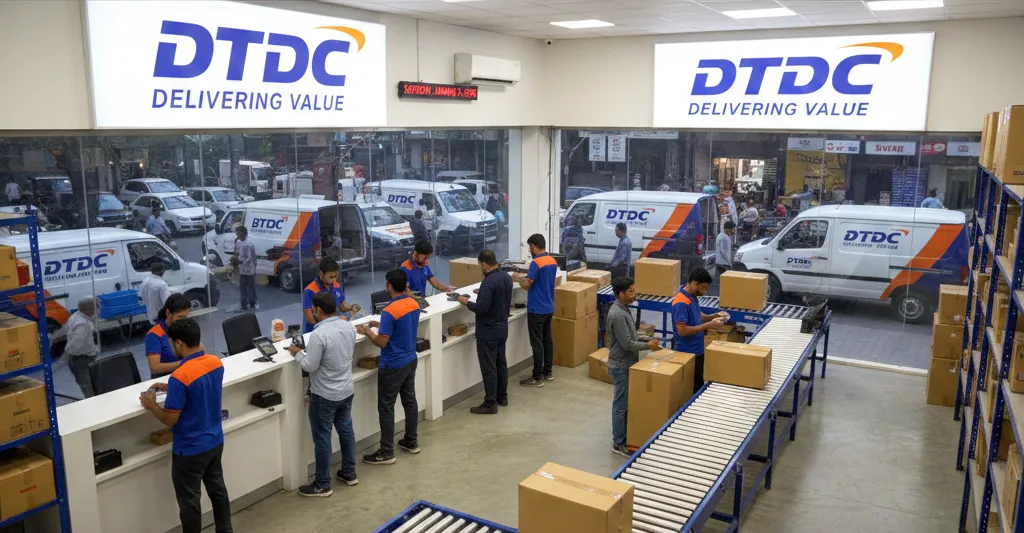
DTDC (Desk to Desk Courier & Cargo) is one of India’s most recognized courier and logistics brands, known for providing fast, reliable, and technology-driven delivery services. Established in 1990, DTDC started its journey as a domestic courier company and gradually expanded its operations across India and international markets. Over the years, the brand has developed a strong logistics network, making it one of the trusted names in the Indian courier industry.
DTDC provides a wide range of services, including domestic courier delivery, international shipping, express parcel services, e-commerce logistics, freight solutions, supply chain management, and customized business delivery solutions. The company serves individuals, small businesses, large enterprises, and online sellers with efficient delivery support.
With thousands of customer access points, delivery partners, and advanced tracking technology, DTDC has created a strong presence in urban and regional markets. The brand focuses on improving customer experience through innovation, digital solutions, and reliable logistics operations. Today, DTDC continues to grow with the expansion of e-commerce and increasing demand for courier services. Its established brand value, industry experience, and wide network make it a preferred option for entrepreneurs interested in starting a courier franchise business in India.
Why Choose a DTDC Franchise in 2026? Market Opportunity & Growth Potential
The growing interest in the DTDC courier franchise cost is closely linked to the rapid expansion of India’s logistics industry. As businesses and consumers increasingly rely on fast and reliable delivery services, courier companies are becoming more important than ever.
India’s Logistics Industry Is Expanding Rapidly
India’s logistics sector has witnessed significant growth over the past few years. Government initiatives such as infrastructure development, highway expansion, dedicated freight corridors, and the National Logistics Policy are helping improve transportation and delivery efficiency across the country.
Industry reports suggest that India’s logistics market is expected to continue growing steadily over the coming years. As trade, manufacturing, and e-commerce activities increase, the demand for organized courier and logistics services is also expected to rise.
This creates a favorable environment for entrepreneurs who want to invest in a logistics-based business.
E-Commerce Is Driving Massive Parcel Volumes
One of the biggest reasons behind the growth of courier companies is the rapid rise of e-commerce. Millions of consumers now shop online for clothing, electronics, groceries, medicines, and household products.
Platforms such as Amazon, Flipkart, Meesho, Myntra, and many D2C brands generate a large number of daily shipments. The growth of online shopping is no longer limited to metro cities. Consumers in Tier-2 and Tier-3 cities are also increasingly purchasing products online, creating additional demand for delivery services.
As parcel volumes continue to increase, courier companies like DTDC are well-positioned to benefit from this trend.
DTDC’s Strong Competitive Advantage
DTDC enjoys several advantages that make it attractive for franchise investors. The company has built a trusted brand over more than three decades of operations. Customers are already familiar with the brand, which can help franchise owners acquire business more easily.
The company also offers a wide delivery network, technology-enabled tracking systems, operational support, and multiple franchise formats. These factors reduce many of the challenges associated with starting an independent courier business.
For investors seeking a business opportunity in a growing industry, the DTDC courier franchise cost can be viewed as an investment in a sector that is expected to expand alongside India’s digital economy and e-commerce ecosystem.
DTDC Franchise Models: Choosing the Right Partnership Option
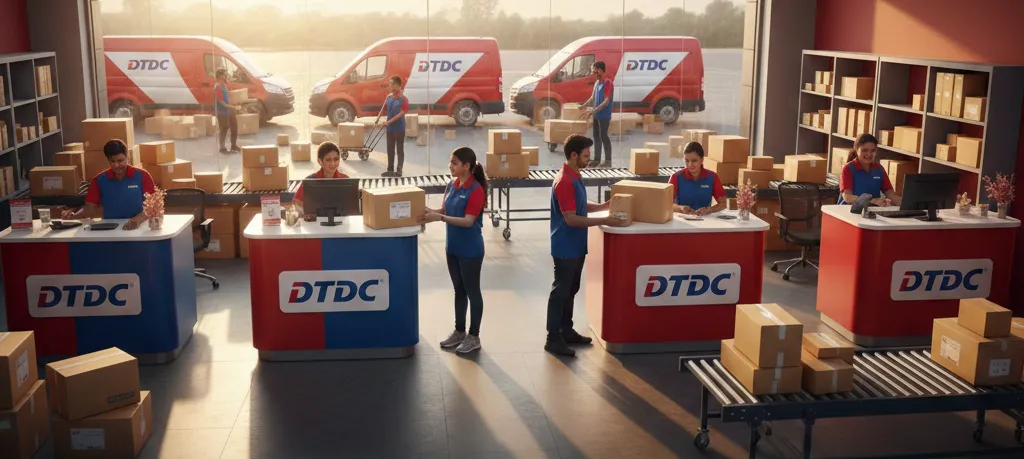
DTDC offers different franchise models designed for entrepreneurs with different investment capacities, business goals, and operational capabilities. These models allow partners to choose a suitable option based on their market reach, available resources, and growth plans.
DTDC360 Partner – Full-Scale Franchise
The DTDC360 Partner model is a complete franchise opportunity designed for entrepreneurs who want to operate a full-service courier and logistics center. This model includes services such as parcel booking, shipment handling, customer support, delivery coordination, and business solutions. It is suitable for those looking to build a larger logistics operation with a wider customer base.
Enterprise Partner – Corporate Sales Model
The Enterprise Partner model focuses on serving corporate clients and businesses with bulk shipment requirements. Partners work with companies, online sellers, and organizations that need regular courier and logistics solutions. This model is ideal for individuals who can develop business relationships and manage high-volume shipments.
Flex Partner – Start Small & Grow
The Flex Partner model is designed for entrepreneurs who want to enter the courier industry with lower investment and gradually expand their operations. It provides flexibility to start with a smaller setup while increasing services and capacity as the business grows.
Smile Partner – Local Delivery Model
The Smile Partner model focuses on local courier services and last-mile delivery support. It is suitable for individuals who want to operate within a specific area and serve nearby customers with convenient delivery solutions.
Smile+ Partner – Extra Income via MyDTDC App
The Smile+ Partner model allows individuals to earn through courier-related services using the MyDTDC platform. It is a flexible option for those looking for an additional income opportunity with limited operational requirements.
Each DTDC franchise model offers different benefits, and choosing the right option depends on investment capacity, target market, and long-term business plans.
DTDC Courier Franchise Cost in India: Detailed Investment Analysis
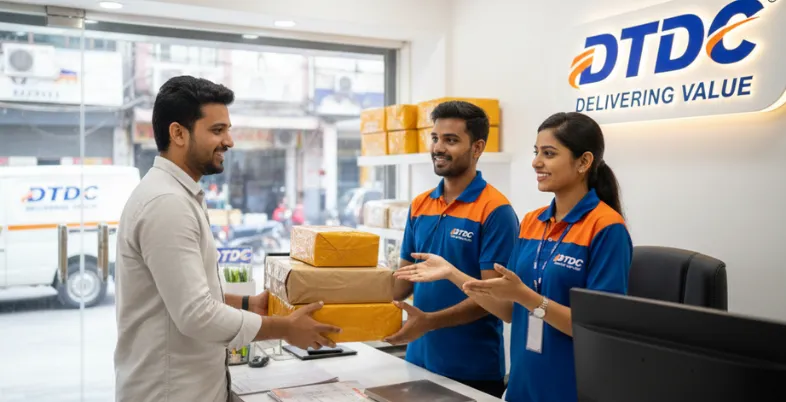
Starting a DTDC Courier Franchise in India requires an initial investment based on the franchise model, location, office setup, and operational needs. The total cost generally includes franchise-related charges, infrastructure, technology, staff, and working capital required to manage courier operations smoothly.
A small DTDC franchise outlet can typically be started with a moderate investment, while larger operations with higher delivery capacity may require additional funds. The investment helps set up a professional courier center, manage shipments, handle customer services, and build local delivery operations.
| Investment Component | Estimated Cost |
|---|---|
| Franchise Fee / Registration Charges | ₹50,000 – ₹1.5 lakh (approx.) |
| Office Setup & Interiors | ₹50,000 – ₹2 lakh |
| Computer, Printer & Equipment | ₹30,000 – ₹1 lakh |
| Branding & Signage | ₹20,000 – ₹75,000 |
| Packaging Materials & Supplies | ₹10,000 – ₹50,000 |
| Staff & Training Expenses | ₹20,000 – ₹1 lakh |
| Working Capital | ₹50,000 – ₹2 lakh |
| Total Estimated Investment | ₹1.5 lakh – ₹5 lakh+ |
The actual cost may vary depending on the city, office size, business volume, and franchise category selected. Entrepreneurs may also need to arrange transportation facilities and additional resources for faster local deliveries.
With the rapid growth of e-commerce, online businesses, and doorstep delivery demand, investing in a DTDC Courier Franchise provides an opportunity to enter India’s growing logistics market with the support of an established courier brand.
DTDC Franchise Profit & Monthly Income (Real Estimates)
A DTDC Franchise can generate income by providing courier booking, parcel delivery, logistics support, and value-added services. The monthly earnings depend on factors such as the franchise location, shipment volume, customer base, operating expenses, and the type of franchise model selected.
A well-established franchise in a high-demand area with regular business clients and e-commerce shipments can achieve better revenue compared to a small outlet with limited daily orders. Profitability generally improves as the number of shipments increases because courier businesses benefit from higher volumes.
Monthly Earnings by Franchise Model
The income potential varies based on the size and scale of the DTDC franchise operation:
| Franchise Model | Estimated Monthly Revenue | Potential Profit Range |
|---|---|---|
| Small DTDC Outlet | ₹50,000 – ₹1.5 lakh | ₹15,000 – ₹40,000/month |
| Standard Franchise Center | ₹1.5 lakh – ₹5 lakh | ₹40,000 – ₹1 lakh/month |
| Large Logistics Franchise | ₹5 lakh+ | ₹1 lakh+ /month |
Actual earnings may vary based on location, shipment volume, expenses, and business efficiency.
Factors That Affect Profitability
Several factors influence the success and profitability of a DTDC Courier Franchise, including:
- Location: Franchise outlets in commercial areas, cities, and high-demand zones usually receive more customers and shipments.
- Shipment Volume: Higher parcel bookings and deliveries directly increase revenue potential.
- Business Partnerships: Tie-ups with e-commerce sellers, local businesses, and companies help generate regular orders.
- Operating Costs: Rent, employee salaries, transportation, and daily expenses impact final profits.
- Customer Service Quality: Faster service and reliable delivery help retain customers and grow repeat business.
- Marketing & Brand Presence: Local promotion and awareness can increase customer reach.
With the continuous growth of online shopping and logistics demand, DTDC franchises have the potential to become a stable business opportunity when managed effectively.
Eligibility Requirements to Become a DTDC Franchise Partner
To start a DTDC Franchise, applicants need to fulfill certain eligibility requirements related to investment capacity, business management, location, and operational setup. DTDC looks for franchise partners who can manage courier services efficiently and maintain quality customer experience.
Basic Requirements for DTDC Franchise
- Age & Business Capability: The applicant should be an adult and have the ability to manage daily courier operations, customer interactions, and business activities. Basic business knowledge and communication skills are preferred.
- Investment Capacity: A franchise partner should have sufficient funds to cover the initial setup cost, office requirements, equipment, staff expenses, and working capital needed to run the outlet.
- Office Space & Location: A suitable commercial space is required for parcel booking, shipment handling, customer service, and operations. Locations with good customer access, business activity, and delivery demand are usually more suitable.
- Infrastructure Requirements: The franchise outlet should have basic facilities such as a computer system, internet connection, printer, weighing machine, packaging materials, and other necessary courier equipment.
- Staff & Management Skills: The franchise owner should be capable of managing employees, coordinating deliveries, handling customers, and maintaining smooth operations.
- Documents & Compliance: Applicants may need to provide identity proof, address proof, business-related documents, and other details required during the franchise approval process.
Experience in logistics, retail, or customer service can be an advantage, but a strong willingness to manage operations and grow the business is also important.
DTDC Franchise Area & Space Requirements
Before investing in a DTDC franchise, it is important to understand the space and infrastructure requirements. The exact requirements depend on the franchise model you choose. A full-scale DTDC360 Partner outlet will naturally require more space and resources than a Smile or Flex Partner model.
The table below provides a general idea of the space requirements for different franchise models:
| Franchise Model | Approximate Space Requirement |
| DTDC360 Partner | 300–800 sq. ft. |
| Enterprise Partner | 200–500 sq. ft. |
| Flex Partner | 150–300 sq. ft. |
| Smile Partner | 100–200 sq. ft. |
| Smile+ Partner | Minimal space required |
Apart from office space, franchise owners should also have the following infrastructure:
- Computer or laptop
- High-speed internet connection
- Printer and scanner
- Basic office furniture
- Parcel storage area
- CCTV system (recommended)
- Mobile phone for customer communication
Some franchise formats may also require transportation arrangements for parcel pickup and delivery. This can be done through hired delivery staff or local transportation resources depending on the scale of operations.
Choosing the right location and maintaining proper infrastructure can significantly improve operational efficiency and customer satisfaction.
Documents Required for DTDC Franchise Registration
When applying for a DTDC franchise, applicants must submit certain documents for verification and approval. These documents help the company assess the applicant’s identity, financial capability, and business readiness.
While requirements may vary slightly depending on the franchise model and location, the following documents are commonly requested during the application process:
Personal Documents
- Aadhaar Card
- PAN Card
- Passport-size photographs
- Address proof
- Identity proof
Financial Documents
- Recent bank statements
- Income tax returns (if applicable)
- Financial capability proof
- Business financial records (for existing businesses)
Property Documents
- Ownership documents of the premises
- Rental or lease agreement
- Property NOC, if required
Business Documents
- GST Registration
- Shop and Establishment License
- Business registration certificate
- Trade licenses, where applicable
Applicants should ensure that all documents are updated and accurate. Proper documentation can help speed up the verification and approval process.
How to Apply for a DTDC Franchise Online in 2026
Once you have evaluated the DTDC courier franchise cost and selected a suitable franchise model, the next step is to begin the application process. DTDC follows a structured process to evaluate potential franchise partners and ensure they meet the company’s requirements.
Step 1: Submit an Inquiry
The process begins by expressing your interest through DTDC’s official franchise form or business partnership channels. You will typically need to provide basic details such as your name, contact information, city, and preferred franchise model.
Step 2: Initial Discussion
After reviewing your inquiry, the company’s franchise team may contact you to discuss the opportunity. During this stage, they may ask about your investment capacity, business background, and location preferences.
Step 3: Business Evaluation
The company evaluates whether the applicant meets the basic eligibility requirements. Financial readiness, business commitment, and operational capability are often considered during this stage.
Step 4: Location Assessment
If you already have a proposed office location, DTDC may assess its suitability. Factors such as accessibility, visibility, local demand, and market potential are typically reviewed.
Step 5: Documentation and Verification
Applicants may be required to submit the necessary documents for verification. The company reviews these documents before moving forward with the partnership process.
Step 6: Franchise Approval
If the application meets the required criteria, the franchise proposal is approved. The terms and conditions of the partnership are then discussed in detail.
Step 7: Agreement Signing and Setup
After approval, both parties sign the franchise agreement. The franchise owner can then proceed with office setup, technology installation, staffing, and operational preparations.
Step 8: Training and Business Launch
DTDC provides training and operational guidance to help franchise owners understand systems, processes, and service standards. Once everything is ready, the franchise begins operations and starts serving customers.
Although the process may vary slightly depending on the franchise model, following these steps can help entrepreneurs successfully establish a DTDC franchise and begin operating in India’s growing logistics sector.
DTDC vs Leading Courier Franchise Opportunities in 2026
Before investing in a courier franchise, it is helpful to compare DTDC with some of the other major logistics companies operating in India. While each company has its own strengths, DTDC remains one of the most accessible franchise opportunities for small and medium-sized entrepreneurs.
Many logistics companies focus heavily on large corporate operations and may not offer franchise opportunities in the same way DTDC does. This is one reason why the DTDC courier franchise cost attracts significant attention from investors looking for a practical entry into the logistics industry.
The following comparison provides a general overview of some leading courier and logistics brands:
| Parameter | DTDC | Delhivery | Blue Dart | XpressBees |
| Brand Recognition | High | High | Very High | High |
| Franchise Availability | Widely Available | Limited | Limited | Limited |
| Investment Requirement | Low to Moderate | Moderate | Higher | Moderate |
| Network Coverage | Extensive | Extensive | Strong | Extensive |
| E-commerce Focus | High | Very High | Medium | Very High |
| Small Business Friendly | Yes | Moderate | Limited | Moderate |
| Support for Franchise Partners | Strong | Limited | Limited | Moderate |
Benefits and Challenges of Owning a DTDC Franchise
Like any business opportunity, investing in a DTDC franchise comes with both advantages and challenges. Understanding both sides can help entrepreneurs make a more informed decision.
Benefits of a DTDC Franchise
One of the biggest benefits is the strength of the DTDC brand. The company has been operating for more than three decades and has built trust among businesses and individual customers across India. This brand recognition can make it easier for franchise owners to attract customers compared to starting an independent courier business.
Another major advantage is the growing demand for logistics services. The rise of e-commerce, online sellers, and digital businesses has created a steady need for parcel delivery services. Unlike some industries that experience seasonal demand, courier services are required throughout the year.
The company also offers different franchise models, allowing investors to choose an option based on their budget and business goals. This flexibility makes DTDC accessible to both experienced entrepreneurs and first-time business owners.
In addition, franchise partners benefit from operational systems, technology support, and an established delivery network. These resources help simplify day-to-day business operations.
Challenges of a DTDC Franchise
Despite its advantages, there are certain challenges that investors should consider.
Competition is one of the biggest factors. The logistics industry includes several national and regional players, making customer acquisition important for long-term success.
Location selection also plays a critical role. A poorly chosen location may limit customer footfall and business opportunities, affecting profitability.
Managing delivery operations requires consistency and attention to detail. Delayed shipments, customer complaints, and service issues can impact customer satisfaction and business growth.
Finally, franchise owners must continuously work on acquiring new customers and maintaining relationships with existing clients. Success often depends on proactive business development rather than relying solely on the brand name.
Is DTDC Franchise Profitable in 2026?
For many entrepreneurs, the most important question is whether the DTDC courier franchise cost can generate good returns. The answer depends largely on how effectively the business is managed.
India’s logistics industry is expected to continue growing due to increasing online shopping, expanding digital businesses, and rising demand for fast deliveries. These trends create a favorable environment for courier franchise businesses.
DTDC also benefits from a strong brand reputation, a large delivery network, and multiple franchise models that suit different investment capacities. This reduces some of the risks associated with starting a completely independent business.
However, profitability depends on more than just the brand. Factors such as location, customer acquisition, parcel volumes, operational efficiency, and service quality directly influence earnings. Franchise owners who actively build relationships with local businesses, e-commerce sellers, and corporate clients often achieve better results.
For investors who are willing to focus on customer service and business development, a DTDC franchise can offer stable income and long-term growth potential. While no business can guarantee profits, the overall market outlook for courier and logistics services remains positive in 2026.
Explore More Franchise models:
- Meesho Delivery Franchise Cost
- Retail Franchise in India
- D-Mart Franchise Cost
- Blinkit Franchise Cost
Final Thoughts
The logistics industry is becoming an increasingly important part of India’s economy. With online shopping, digital businesses, and parcel deliveries growing every year, courier services are expected to remain in high demand for the foreseeable future.
For aspiring entrepreneurs, the DTDC courier franchise cost offers an opportunity to enter this growing sector through a trusted and well-established brand. The company provides multiple franchise models, allowing investors to choose an option that matches their budget and business goals.
While success ultimately depends on location, customer acquisition, and operational efficiency, the long-term outlook for the logistics industry remains positive. For investors seeking a business opportunity in a growing market, a DTDC franchise can be a worthwhile option to consider in 2026.