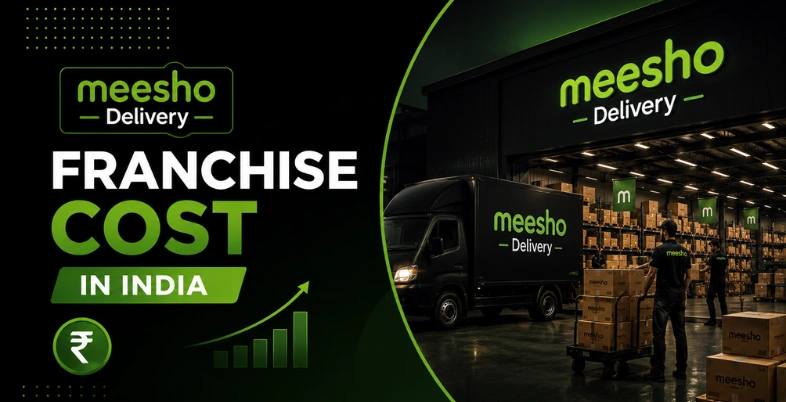
India’s e-commerce sector continues to expand rapidly, creating strong demand for delivery and logistics services. As one of the country’s leading online marketplaces, Meesho has built a vast network of sellers and customers across urban and rural markets. This growth has encouraged many entrepreneurs to search for information about the Meesho Delivery Franchise Cost and explore opportunities to partner with the company.
However, many people misunderstand how Meesho’s logistics operations work. Unlike traditional franchise businesses, Meesho primarily relies on logistics partners and third-party delivery companies to manage shipments. As a result, entrepreneurs often wonder whether they can directly open a Meesho delivery franchise, what investment is required, and how much profit they can expect.
This guide explains the Meesho Delivery Franchise Cost, available business models, investment requirements, profit potential, and important factors to consider before investing in 2026.
What Is A Meesho Delivery Franchise?

When people search for a Meesho delivery franchise, they usually refer to an opportunity to participate in Meesho’s logistics and delivery ecosystem. Since Meesho serves millions of customers across India, the company depends on a large logistics network to ensure timely deliveries.
In practice, a Meesho delivery franchise may involve operating a local delivery hub, managing shipment handling operations, or partnering with logistics providers that work with Meesho. The exact structure depends on the business model and partnership arrangement available at the time of application.
Entrepreneurs interested in the logistics industry often consider this opportunity because e-commerce deliveries continue to grow year after year. The increasing demand for last-mile delivery services creates opportunities for businesses that can efficiently manage shipment operations and customer deliveries.
Does Meesho Offer An Official Delivery Franchise In 2026?
One of the most important facts investors should understand is that Meesho does not widely advertise a traditional delivery franchise model similar to food, retail, or tea franchises.
Instead, Meesho typically works with logistics companies, courier partners, and delivery service providers that handle order fulfillment and transportation. Because of this structure, individuals may not find a standardized franchise package with fixed fees and franchise agreements.
Business opportunities related to Meesho usually emerge through logistics partnerships, delivery service contracts, or collaborations with courier companies that support Meesho’s operations. Therefore, entrepreneurs should verify the latest partnership opportunities directly through official company channels before making any investment decisions.
Understanding this distinction can prevent unrealistic expectations and help investors focus on genuine logistics business opportunities.
Meesho Business Models: Franchise, Delivery Partner, And Logistics Opportunities
Before evaluating the Meesho Delivery Franchise Cost, it is important to understand the different business models associated with the company’s logistics network.
- Delivery Partner Model: In this model, delivery personnel collect and deliver parcels to customers within designated service areas. Individuals generally work through logistics companies rather than directly through Meesho.
- Local Delivery Hub Operations: Entrepreneurs may operate sorting centers or local delivery hubs that support logistics activities. These facilities help organize shipments before they move to customers.
- Logistics Service Provider Partnership: Established logistics companies can collaborate with e-commerce platforms by providing transportation, warehousing, and delivery services. This model typically requires higher investment and operational expertise.
- Courier Franchise Model: Some entrepreneurs choose to invest in courier franchises that serve multiple e-commerce companies, including Meesho. This approach can diversify revenue sources and reduce dependency on a single platform.
Each model involves different investment levels, operational responsibilities, and earning potential.
Meesho Delivery Franchise Cost In India
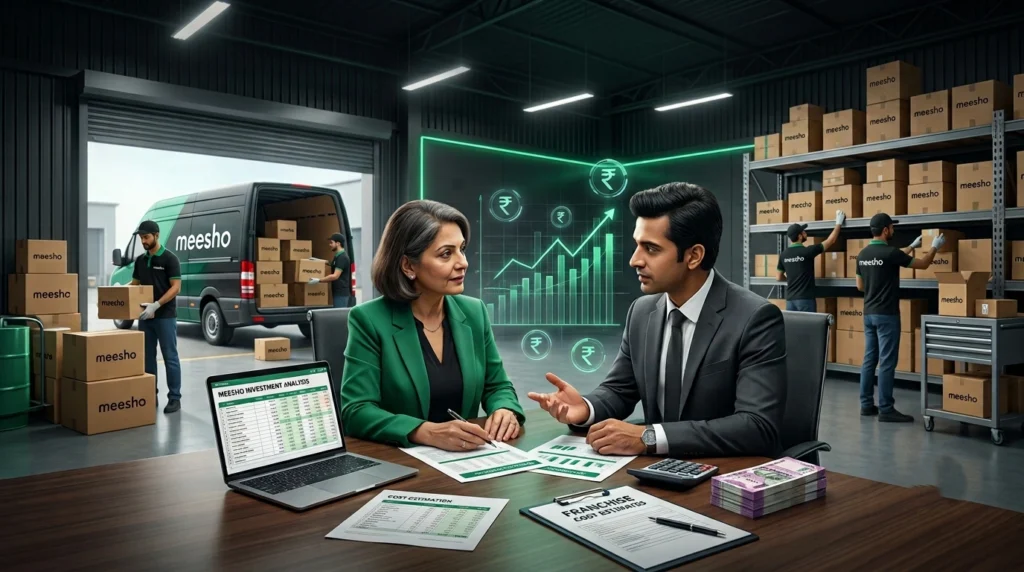
The Meesho Delivery Franchise Cost varies significantly depending on the business model you choose. Since Meesho does not publicly offer a standard franchise package, investment requirements generally relate to logistics operations, delivery centers, or courier franchise partnerships.
The total investment depends on factors such as location, facility size, manpower requirements, equipment, vehicles, and technology infrastructure.
Entrepreneurs should prepare for expenses related to office setup, security deposits, staff salaries, transportation resources, and operational software.
Complete Investment Breakdown by Business Model
| Business Model | Estimated Investment |
| Individual Delivery Partner | ₹10,000 – ₹1 lakh |
| Small Delivery Hub | ₹2 lakh – ₹8 lakh |
| Courier Franchise Operation | ₹5 lakh – ₹20 lakh |
| Large Logistics Center | ₹20 lakh – ₹50 lakh+ |
These figures serve as general industry estimates and may vary depending on the scale of operations and location.
Hidden Expenses and Recurring Monthly Costs
Many investors focus only on the initial setup cost and overlook ongoing operational expenses. These recurring costs can significantly impact profitability.
Common monthly expenses include:
- Employee salaries and incentives
- Office or warehouse rent
- Electricity and internet bills
- Vehicle maintenance and fuel costs
- Insurance expenses
- Software and technology costs
- Packaging and operational supplies
- Local marketing and administration costs
Calculating these expenses accurately helps investors estimate realistic profit margins and avoid financial surprises after launch.
Eligibility Criteria For Meesho Delivery Franchise Opportunities
Before investing in a logistics or delivery-related opportunity associated with Meesho, applicants should ensure they meet the basic business and operational requirements. Since Meesho typically works through logistics partners and service providers, the exact criteria may vary depending on the type of partnership.
In most cases, applicants should possess basic business management skills and sufficient financial resources to handle setup and operational expenses. Previous experience in logistics, transportation, warehousing, or courier services can be helpful, but many opportunities also welcome first-time entrepreneurs who are willing to learn and manage daily operations effectively.
Location also plays an important role. Applicants who can provide a strategically located office, warehouse, or delivery hub may have an advantage, particularly in areas with growing e-commerce demand.
To operate successfully, entrepreneurs should also have the ability to recruit delivery personnel, manage shipments, maintain service quality, and handle customer-related issues when required.
Documents Required For Application and Verification
Applicants typically need to submit several personal, financial, and business-related documents during the evaluation process. Keeping these documents ready can help speed up approvals and reduce delays.
Personal documents generally include Aadhaar Card, PAN Card, passport-size photographs, and address proof. Business-related documents may include GST registration, business registration certificates, bank account details, and financial statements if applicable.
If the business requires a physical office, warehouse, or delivery center, applicants may also need to provide property ownership documents, lease agreements, utility bills, and location photographs for verification.
Since documentation requirements can change over time, applicants should confirm the latest requirements directly with the company or logistics partner involved.
How To Get A Meesho Delivery Franchise Or Delivery Partner Opportunity
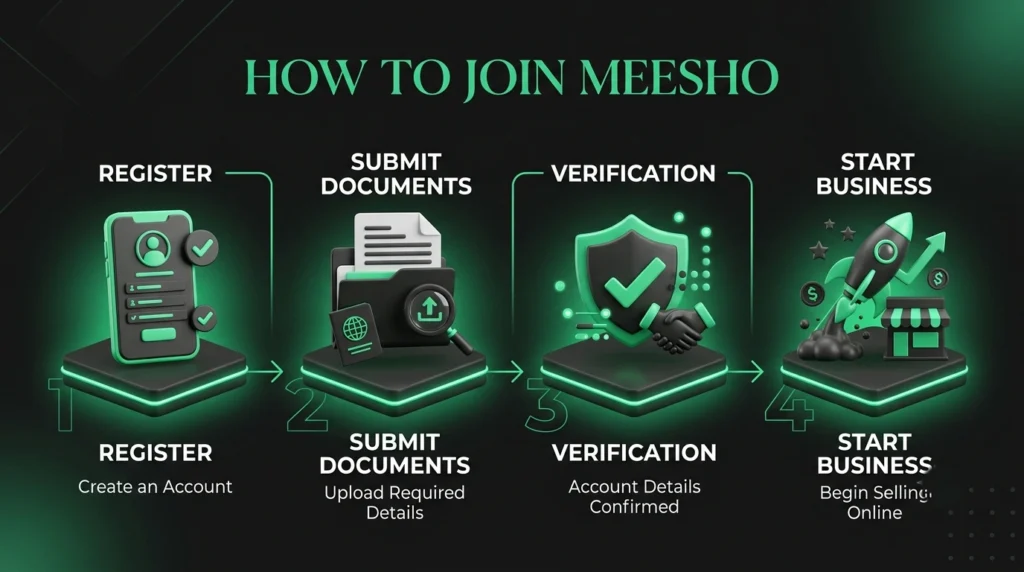
Many entrepreneurs search for a direct Meesho delivery franchise application process. However, because Meesho primarily operates through logistics partners, the process often involves identifying suitable partnership opportunities rather than purchasing a traditional franchise package.
The first step involves researching the latest logistics and delivery opportunities associated with Meesho. Investors should visit official channels, logistics partner websites, and business opportunity portals to understand the available options.
After identifying a suitable opportunity, applicants can submit an inquiry and provide details about their business experience, investment capacity, preferred location, and operational capabilities. The company or logistics partner may then conduct discussions to evaluate whether the applicant meets the required standards.
Once preliminary approval is granted, the applicant typically submits supporting documents for verification. The company may also inspect the proposed facility or service area before making a final decision.
After approval, entrepreneurs can complete the required agreements, arrange infrastructure, recruit staff if necessary, and begin operations according to the agreed business model.
Success in this industry depends heavily on operational efficiency, timely deliveries, customer satisfaction, and effective management of delivery resources.
Expected Break-Even Period and ROI Timeline
The break-even period for a Meesho-related logistics business depends on several factors, including investment size, delivery volume, operational costs, and location.
Small-scale delivery operations often require lower investment and may achieve break-even faster if they maintain consistent delivery volumes. Larger logistics centers generally require more capital but may generate higher revenue once operations stabilize.
The following table provides a general estimate:
| Business Model | Estimated Break-Even Period | Expected ROI Timeline |
| Delivery Partner | 6–12 Months | 1 Year |
| Small Delivery Hub | 12–24 Months | 2–3 Years |
| Courier Franchise | 18–36 Months | 2–4 Years |
| Large Logistics Center | 24–48 Months | 3–5 Years |
Actual returns depend on shipment volume, operating efficiency, service quality, and local market demand. Investors should prepare realistic financial projections before making any commitment.
Meesho Delivery Agent Vs Meesho Delivery Franchise: Key Differences
Many people use the terms “delivery agent” and “delivery franchise” interchangeably, but they represent very different business opportunities.
A delivery agent usually works as an individual responsible for collecting and delivering parcels within a designated service area. The investment requirement remains relatively low because the individual primarily needs transportation, communication tools, and basic operational resources.
A delivery franchise or delivery hub operator, on the other hand, manages a larger operation. This model may involve handling multiple delivery personnel, managing shipment sorting activities, maintaining infrastructure, and overseeing daily logistics operations.
| Factor | Delivery Agent | Delivery Franchise / Hub |
| Investment Required | Low | Moderate to High |
| Operational Responsibility | Individual Deliveries | Team and Facility Management |
| Revenue Potential | Limited | Higher Growth Potential |
| Staff Requirement | Usually None | Multiple Employees |
| Infrastructure Requirement | Minimal | Office or Hub Facility |
| Business Scalability | Limited | High |
Individuals looking for flexible earning opportunities may prefer the delivery agent model, while entrepreneurs seeking long-term business growth may find delivery hub or logistics operations more attractive.
Explore more franchise option:
Benefits Of Investing In A Meesho Delivery Franchise
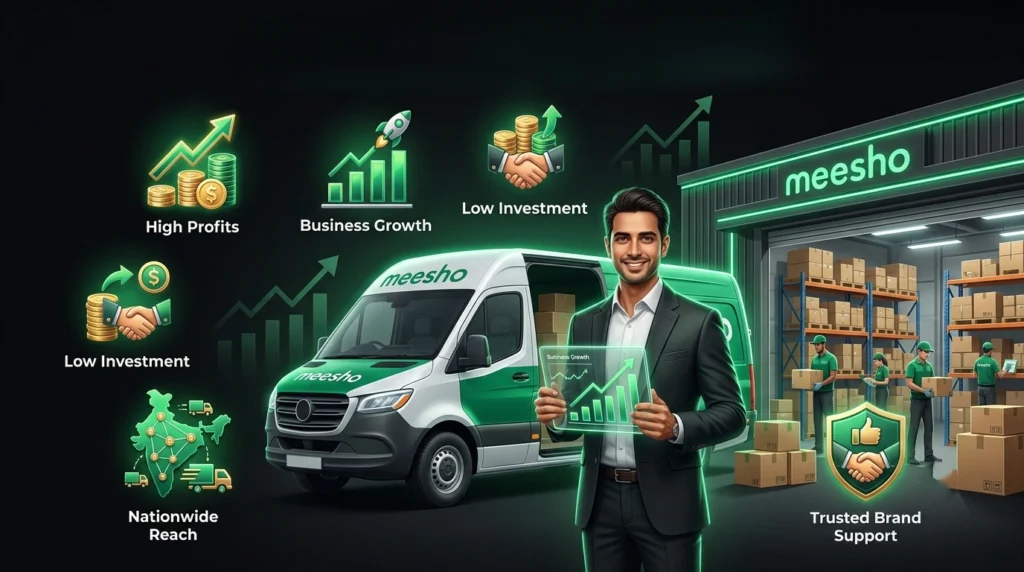
The rapid growth of e-commerce in India has created strong demand for reliable delivery and logistics services. Although Meesho does not operate a widely available traditional franchise model, entrepreneurs who participate in Meesho’s logistics ecosystem can benefit from the continued expansion of online shopping.
One of the biggest advantages is the growing volume of e-commerce orders. As more consumers shop online, the need for efficient delivery services continues to increase. This creates long-term business opportunities for logistics operators, delivery hubs, and courier service providers.
Another benefit is the relatively lower investment compared to many retail or food franchise businesses. Depending on the business model, entrepreneurs can start with a modest investment and gradually expand operations as delivery volumes grow.
The logistics sector also offers recurring revenue opportunities. Unlike seasonal businesses that experience fluctuations in demand, delivery services often generate consistent work throughout the year. This can help create a more stable income stream.
Entrepreneurs can also benefit from scalability. A successful delivery operation can expand into additional service areas, add more delivery personnel, or handle shipments for multiple e-commerce platforms instead of relying on a single company.
Additionally, the growth of digital commerce in Tier 2 and Tier 3 cities creates new opportunities for logistics businesses to serve previously underserved markets.
Best Alternatives To Meesho Delivery Franchise In India
Since Meesho does not currently offer a widely standardized delivery franchise program, many entrepreneurs explore alternative logistics franchise opportunities that provide clearer business models and established support systems.
1. Delhivery Franchise
Delhivery is one of India’s largest logistics companies and serves major e-commerce platforms across the country. The company offers various partnership opportunities related to delivery operations, logistics services, and fulfillment solutions.
2. DTDC Franchise
DTDC Express Limited operates one of the largest courier networks in India. Entrepreneurs often consider DTDC because of its strong brand recognition, nationwide reach, and multiple franchise formats.
3. Blue Dart Franchise
Blue Dart Express Limited has established itself as a premium courier and logistics provider. The brand focuses on reliable delivery services and serves both individual and corporate customers.
4. XpressBees Partner Opportunity
XpressBees has grown rapidly due to increasing e-commerce demand. The company offers logistics and delivery opportunities in several regions across India.
5. Ecom Express Franchise Opportunity
Ecom Express Limited specializes in e-commerce logistics and delivery services. The company serves thousands of locations across the country and continues to expand its network.
Entrepreneurs should compare investment requirements, support systems, profitability, and growth potential before selecting a logistics business opportunity.
Risks And Challenges Before You Invest
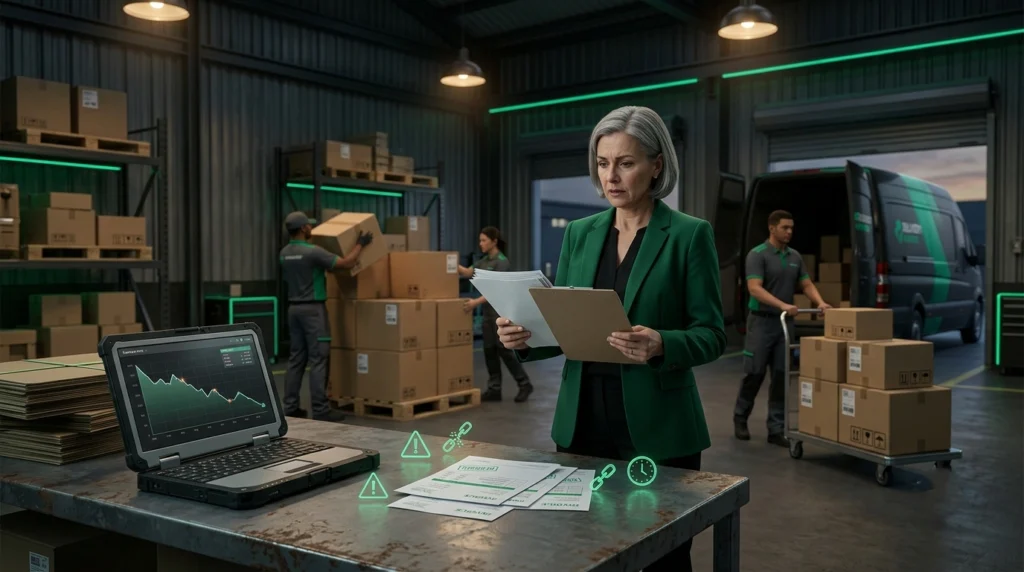
Every business opportunity involves risk, and logistics operations are no exception. Understanding these challenges can help investors make informed decisions and prepare realistic expectations.
1. Intense Competition in the Logistics Sector
India’s logistics industry has become highly competitive. Large courier companies, local delivery providers, and technology-driven startups compete for market share. New entrants must work hard to maintain service quality and operational efficiency.
2. Dependence on Shipment Volumes
Revenue often depends on the number of shipments processed or delivered. If delivery volumes decline due to market conditions or changes in business relationships, profitability may suffer.
3. Rising Operational Costs
Fuel prices, employee wages, warehouse rents, and vehicle maintenance expenses can increase over time. Business owners must carefully manage these costs to maintain healthy profit margins.
4. Workforce Management Challenges
Delivery businesses rely heavily on manpower. Recruiting, training, and retaining reliable delivery personnel can become challenging, especially during peak seasons when demand increases significantly.
5. Technology and Compliance Requirements
Modern logistics operations depend on technology platforms, tracking systems, and performance monitoring tools. Businesses must also comply with applicable regulations, tax requirements, and operational standards.
6. Customer Service Expectations
Consumers expect fast deliveries and real-time tracking updates. Delays, damaged shipments, or service issues can affect customer satisfaction and business performance.
Investors who plan carefully, manage costs effectively, and maintain high service standards can improve their chances of long-term success.
Meesho Delivery Franchise Contact Details
If you want to explore partnership opportunities related to Meesho’s logistics network, you should always use official communication channels. The company periodically updates its business and partnership programs based on operational requirements.
Official Website: meesho.com
Business and Partnership Inquiries: Visit the official website and navigate to the relevant support or business sections for the latest information regarding logistics partnerships and operational opportunities.
Before making any investment, verify all information directly with authorized company representatives and avoid third-party agents who promise guaranteed franchise approvals.
Conclusion
The growing e-commerce industry continues to create opportunities for entrepreneurs interested in logistics and delivery services. While many people search for the Meesho Delivery Franchise Cost, it is important to understand that Meesho does not currently promote a widely available traditional delivery franchise model like many retail or food brands.
Instead, business opportunities typically exist through logistics partnerships, delivery operations, courier services, and fulfillment-related activities. Depending on the chosen model, investment requirements can range from a few thousand rupees for individual delivery operations to several lakhs for delivery hubs and logistics centers.
Before investing, entrepreneurs should evaluate the business model, estimate operating costs, understand potential risks, and verify all information through official channels. Those who manage operations efficiently and choose the right location can benefit from India’s rapidly expanding e-commerce and logistics sector.
For investors seeking a long-term opportunity in a high-growth industry, logistics and delivery services remain one of the most promising business segments in 2026.