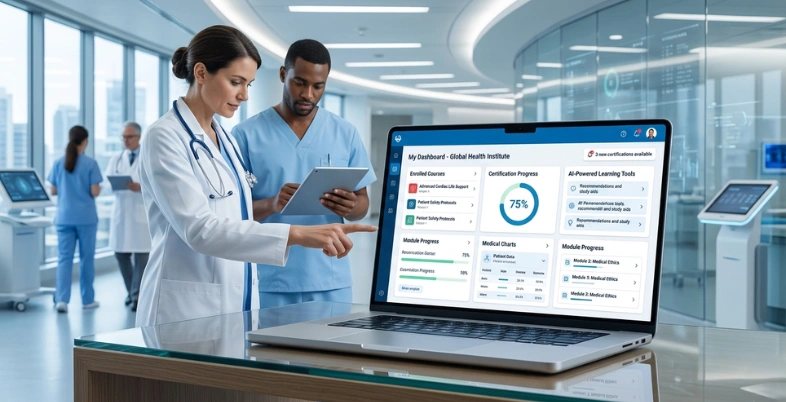
Healthcare Learning Management Systems (LMS) are transforming how medical professionals, hospital staff, and healthcare organisations deliver training and continuous education. In an industry where accuracy, compliance, and updated knowledge are critical, a Healthcare LMS provides a centralised digital platform for managing courses, certifications, and skill development programs.
It enables hospitals and institutions to streamline onboarding, ensure regulatory compliance, and deliver consistent training across departments. With features like e-learning modules, progress tracking, and performance analytics, these systems improve efficiency and patient care quality. As healthcare continues to evolve with technology, LMS platforms play a vital role in building a skilled, compliant, and future-ready workforce.
In this blog, we will take a look at Healthcare LMS and the Complete Guide to Learning Management Systems in Healthcare
What Is A Healthcare LMS?
A Healthcare Learning Management System (LMS) is a specialised digital platform designed to manage, deliver, and track training and educational programs within the healthcare industry. It is used by hospitals, clinics, medical institutions, and healthcare organisations to train doctors, nurses, administrative staff, and other professionals. It also supports innovative digital health solutions that improve online learning, staff engagement, and healthcare training efficiency.
A Healthcare LMS helps streamline onboarding, ensure compliance with medical regulations, and provide continuous professional development through structured online courses. It supports e-learning modules, video-based training, assessments, certifications, and real-time progress tracking. These systems are especially important in healthcare because they ensure that staff stay updated with the latest medical guidelines, technologies, and patient care standards.
By centralising learning resources and automating training processes, a Healthcare LMS improves efficiency, reduces manual training efforts, and enhances overall service quality. Ultimately, it plays a crucial role in building a skilled, compliant, and well-trained healthcare workforce.
Healthcare LMS vs Generic LMS: Key Differences
| Aspect | Healthcare LMS | Generic LMS |
| Primary Purpose | Designed specifically for healthcare training, compliance, and clinical education | Designed for general training across industries like education, IT, and corporate sectors |
| Target Users | Doctors, nurses, hospital staff, medical students, healthcare administrators | Employees, students, trainers, and organizations from various industries |
| Compliance Training | Strong focus on healthcare regulations like HIPAA, OSHA, and clinical standards | Basic or optional compliance features depending on industry needs |
| Content Type | Medical courses, clinical procedures, patient care protocols, certifications | General courses like soft skills, business training, technical skills |
| Assessment Methods | Clinical simulations, scenario-based learning, certification exams | Quizzes, assignments, and general assessments |
| Reporting & Tracking | Advanced tracking of clinical skills, certifications, and compliance status | Standard reporting on course completion and performance |
| Integration | Integrates with hospital systems, EHR/EMR platforms, and healthcare tools | Integrates with HR systems, CRM, and general business tools |
| Regulatory Requirements | Built to meet strict healthcare industry standards and audits | Not specifically built for regulated medical compliance |
| Customisation | Highly specialised for healthcare workflows and training needs | More flexible but less industry-specific |
| Use Case Example | Hospital staff training, patient safety courses, medical compliance programs | Corporate training, academic learning, employee onboarding programs |
Why Healthcare Organisations Need A Specialised LMS
Healthcare organisations operate in a highly regulated, fast-changing environment where continuous learning and compliance are essential. A specialised Learning Management System (LMS) helps hospitals and medical institutions streamline training, ensure patient safety, and maintain up-to-date clinical knowledge across all staff members. Unlike generic systems, it is designed specifically to handle healthcare workflows and compliance requirements.
1. Ensures Regulatory Compliance And Patient Safety
A specialised Healthcare LMS helps organisations meet strict healthcare regulations and standards such as clinical protocols, safety guidelines, and certification requirements. It ensures that doctors, nurses, and staff are regularly trained on updated procedures, reducing medical errors and improving overall patient safety. Automated tracking also ensures compliance audits are easier and more accurate.
2. Streamlines Staff Onboarding and Training
Healthcare organisations often hire large numbers of staff who require structured onboarding. A Healthcare LMS provides standardised training modules that help new employees quickly understand hospital systems, patient care procedures, and operational protocols. This reduces training time and ensures consistency in knowledge across departments.
3. Enhances Continuous Medical Education (CME)
Medical knowledge evolves rapidly, and professionals must stay updated with new treatments, technologies, and practices. A Healthcare LMS supports continuous medical education by offering online courses, certifications, and refresher programs. This ensures healthcare workers maintain their expertise and deliver high-quality care.
4. Improves Operational Efficiency and Reduces Costs
By digitising training processes, healthcare organizations reduce the need for physical workshops, printed materials, and manual tracking. A centralised LMS saves time, reduces administrative workload, and allows organisations to allocate resources more efficiently while still maintaining high training standards.
5. Provides Performance Tracking and Skill Development Insights
A Healthcare LMS offers detailed analytics on employee progress, skill gaps, and training effectiveness. Managers can identify areas where additional training is needed and create personalised learning paths. This leads to better workforce development and improved overall healthcare service quality.
Key Features Of a Healthcare LMS
Healthcare LMS platforms are designed to improve medical training, compliance, and staff development in hospitals. Many healthcare software companies in the USA now offer AI-powered learning tools, analytics, and cloud-based healthcare training solutions They combine technology, learning tools, and analytics to enhance healthcare education efficiency and patient care quality.
- Course Management System: Healthcare LMS allows creation, organisation, and management of medical courses, training modules, and certifications for healthcare professionals efficiently.
- Compliance Tracking: It helps hospitals track regulatory compliance training, ensuring staff meet healthcare standards, safety protocols, and mandatory certification requirements consistently.
- Assessment and Evaluation Tools: The system includes advanced assessment tools, quizzes, exams, and skill assessments that evaluate learner understanding and ensure competency in medical procedures accurately.
- Progress Monitoring Dashboard: Healthcare LMS provides real-time dashboards to track learner progress, completion rates, and performance metrics across different training programs.
- Mobile Learning Accessibility: It enables healthcare staff to access training materials anytime on mobile devices, improving flexibility and continuous learning opportunities significantly.
- Certification Management: The platform automates certification issuance and renewal tracking, ensuring healthcare professionals maintain valid credentials and updated qualifications efficiently.
- Reporting and Analytics: Healthcare LMS offers detailed reports and analytics on training effectiveness, helping administrators improve learning strategies and organisational performance decisions.
Top Use Cases of A Healthcare LMS
A Healthcare Learning Management System (LMS) is widely used across hospitals, clinics, and medical institutions to streamline training, ensure compliance, and improve patient care outcomes. It supports structured learning, continuous education, and skill development for healthcare professionals in an efficient digital environment.
- Staff Onboarding and Orientation: Healthcare LMS platforms are used to train newly hired doctors, nurses, and administrative staff. They provide structured onboarding modules covering hospital policies, patient care procedures, safety protocols, and system usage, ensuring smooth integration into the organisation.
- Compliance and Regulatory Training: Hospitals use LMS platforms to deliver mandatory compliance training related to healthcare regulations, safety standards, and legal requirements. It ensures staff remain updated with guidelines such as infection control, patient safety, and data privacy policies.
- Continuous Medical Education (CME): A key use case is providing ongoing education for healthcare professionals. The LMS offers courses, certifications, and updates on new medical technologies, treatments, and research, helping professionals maintain and enhance their clinical expertise.
- Clinical Skill Development: Healthcare LMS systems are used for improving practical and clinical skills through simulations, case studies, and scenario-based learning. This helps professionals practice decision-making and improve patient care quality in real-world situations.
- Training for Healthcare Technology Systems: Hospitals use LMS platforms to train staff on electronic health records (EHR), hospital management systems, and other digital healthcare tools. This improves operational efficiency and reduces errors in patient data management.
- Emergency and Safety Training: Healthcare organisations use LMS platforms to train staff for emergency situations such as fire safety, disaster response, and critical care procedures. This ensures preparedness and quick response during medical emergencies.
- Performance Evaluation and Skill Assessment: LMS platforms are used to assess employee performance through quizzes, tests, and progress tracking. Managers can identify skill gaps and design personalised training programs for continuous improvement.
List Of Top Healthcare LMS Platforms
1. HealthStream

Website: https://www.healthstream.com/
HealthStream is one of the leading healthcare-focused Learning Management Systems designed specifically for hospitals, clinics, and healthcare organisations. The platform provides compliance training, workforce development, credentialing, and patient safety education solutions.
It helps healthcare providers manage certifications, onboarding, and continuous medical education efficiently through a centralised system. HealthStream also offers advanced analytics and reporting tools that help administrators monitor employee performance and compliance status.
Its healthcare-specific features and strong industry reputation make it a preferred LMS platform for improving workforce training, operational efficiency, and overall patient care quality in healthcare institutions.
Best For: Large hospitals and healthcare organisations needing compliance-focused workforce training.
Key Features
- Healthcare-focused compliance training
- Credential and certification tracking
- Clinical education management
- Performance analytics and reporting
- Workforce development tools
Pros
- Designed specifically for healthcare organisations
- Strong compliance management capabilities
- Extensive healthcare training library
- Advanced reporting features
Cons
- Higher pricing for smaller organizations
- Interface can feel complex for beginners
- Customisation may require technical support
Pricing:
- Customised Pricing
2. Docebo
Website: https://www.docebo.com/
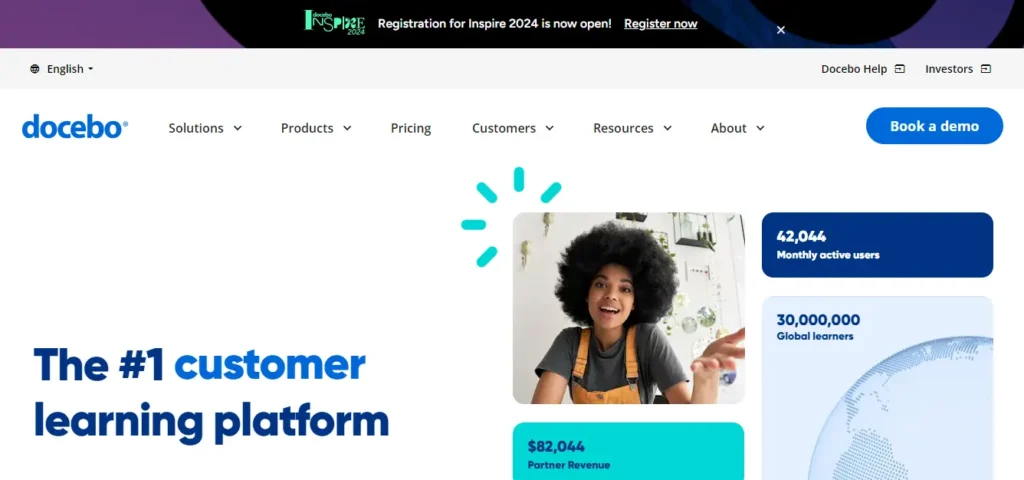
Docebo is a cloud-based Learning Management System known for its AI-powered learning capabilities and user-friendly interface. Healthcare organisations use Docebo for employee onboarding, compliance training, and continuous professional development.
The platform supports e-learning, mobile learning, gamification, and personalised learning paths to improve learner engagement. Docebo integrates with various business and healthcare systems, making training management more efficient and scalable.
Its advanced automation, analytics, and content management features help organisations deliver structured healthcare education programs while tracking staff progress and certification requirements effectively across departments and multiple locations.
Best For: Healthcare organisations seeking AI-powered and scalable learning solutions.
Key Features
- AI-powered learning automation
- Personalised learning paths
- Gamification and social learning
- Mobile learning support
- Advanced integrations
Pros
- Modern and user-friendly interface
- Strong AI-driven learning recommendations
- Scalable for growing organisations
- Excellent automation features
Cons
- Premium plans can be expensive
- Advanced features require training
- Some integrations need additional setup
Pricing:
- Elevate– Get Your Pricing
- Enterprise– Get Your Pricing
3. TalentLMS
Website: https://www.talentlms.com/
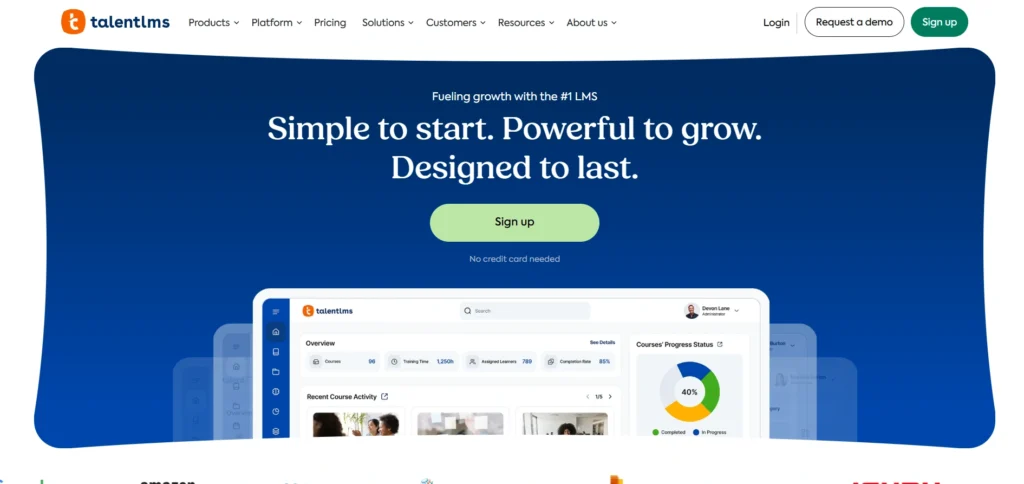
TalentLMS is a flexible and easy-to-use learning platform widely adopted by healthcare organisations for staff training and compliance management.
The platform allows hospitals and clinics to create online courses, assessments, and certification programs efficiently. It supports mobile learning, video training, and gamification features that enhance employee engagement and learning experiences. TalentLMS also provides reporting and analytics tools to monitor training completion and employee performance.
Its affordability, scalability, and simple interface make it suitable for small clinics as well as large healthcare organisations looking to streamline workforce training and maintain regulatory compliance effectively.
Best For: Small and medium-sized healthcare organisations needing affordable training solutions.
Key Features
- Easy course creation tools
- Mobile-friendly learning
- Gamification support
- Certification management
- Reporting and analytics
Pros
- Simple and intuitive interface
- Affordable pricing plans
- Quick implementation process
- Suitable for beginners
Cons
- Limited advanced customisation
- Fewer enterprise-level features
- Basic analytics compared to competitors
Pricing:
- Core– $149/mo
- Grow– $299/mo
- Pro– $579/mo
- Enterprise– Custom Pricing
4. Absorb LMS

Website: https://www.absorblms.com/
Absorb LMS is a modern cloud-based learning platform that helps healthcare organisations manage employee training, compliance, and professional development. The platform offers customisable learning paths, interactive course creation tools, and advanced reporting capabilities.
Healthcare providers use Absorb LMS to streamline onboarding, track certifications, and deliver engaging training experiences through mobile and online learning. Its automation features reduce administrative workload while improving training efficiency.
Absorb LMS also supports integrations with HR and healthcare management systems, making it easier for organisations to manage learning activities and maintain workforce readiness in a fast-changing healthcare environment.
Best For: Healthcare providers needing scalable and automated employee training management.
Key Features
- Cloud-based learning management
- Interactive course creation
- Automated administration tools
- Advanced analytics dashboard
- Mobile learning support
Pros
- Clean and professional interface
- Strong automation capabilities
- Good customer support
- Highly scalable platform
Cons
- Pricing may be costly for startups
- Some advanced features need configuration
- Learning curve for administrators
Pricing:
- Get Custom Pricing
5. Moodle Workplace

Website: https://moodle.com/
Moodle Workplace is an enterprise learning platform based on the popular open-source Moodle LMS. It is widely used by healthcare institutions for compliance training, staff onboarding, and professional education programs.
The platform offers flexible customisation, role-based learning, certification tracking, and multi-department training management. Healthcare organisations benefit from its scalability and ability to create personalised learning experiences for employees.
Moodle Workplace also supports integrations, mobile learning, and collaborative learning tools that improve engagement and knowledge sharing. Its cost-effective structure and customisation capabilities make it suitable for healthcare institutions seeking adaptable training solutions.
Best For: Healthcare institutions needing customisable and budget-friendly LMS solutions.
Key Features
- Open-source flexibility
- Role-based learning paths
- Certification tracking
- Multi-department management
- Collaborative learning tools
Pros
- Highly customisable platform
- Cost-effective compared to enterprise LMS
- Strong community support
- Flexible integration options
Cons
- Requires technical expertise for setup
- Interface may appear outdated
- Maintenance can be time-consuming
Pricing:
- Starter– $170
- Mini– $280
- Small– $500
- Medium– $1,220
- Standard– $2.150
6. Relias Learning
Website: https://reliasacademy.com/
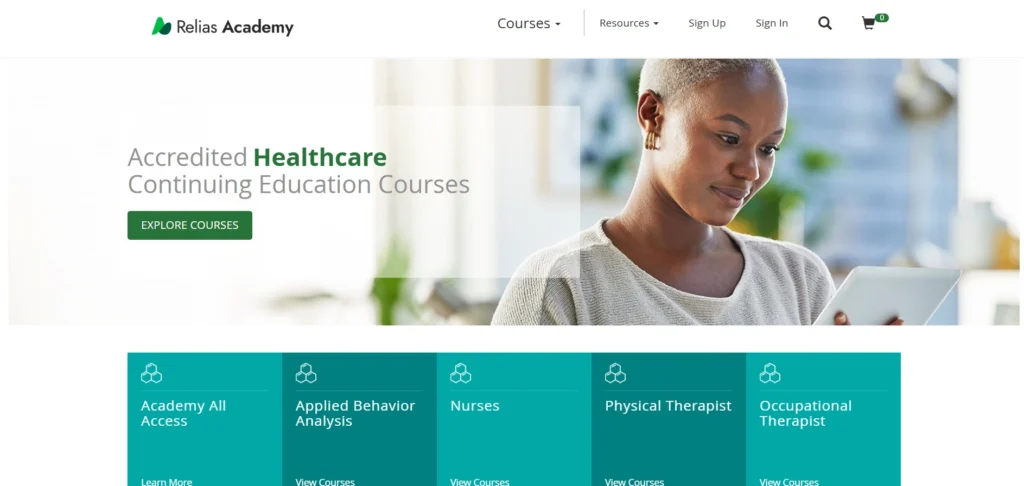
Relias Learning is a healthcare-focused LMS platform designed to improve workforce training, compliance, and clinical education. It provides specialised healthcare training content for hospitals, senior care facilities, and healthcare organisations.
The platform includes competency assessments, certification tracking, and personalised learning programs tailored to healthcare professionals. Relias also offers analytics and reporting tools that help organisations monitor staff performance and identify skill gaps.
Its healthcare-specific content library and regulatory training support make it highly effective for maintaining compliance and improving patient care quality. Relias is widely recognised for enhancing workforce development across the healthcare sector.
Best For: Hospitals and senior care organisations requiring healthcare-focused education and compliance training.
Key Features
- Healthcare-specific training content
- Competency assessments
- Compliance tracking
- Personalised learning plans
- Detailed analytics tools
Pros
- Specialised for healthcare training
- Extensive medical content library
- Strong compliance management
- Improves workforce competency
Cons
- Expensive for smaller organisations
- Limited customisation options
- Some courses may feel repetitive
Pricing:
- Monthly Payment: $22.83
- Annual Payment: $249.00
7. Cornerstone OnDemand

Website: https://www.cornerstoneondemand.com/
Cornerstone OnDemand is an enterprise-level learning and talent management platform used by healthcare organisations worldwide. The platform supports employee training, compliance management, leadership development, and workforce planning.
It provides AI-driven learning recommendations, customisable learning paths, and detailed analytics to improve training outcomes. Healthcare institutions use Cornerstone to streamline onboarding, manage certifications, and deliver continuous professional education programs.
Its integration capabilities and cloud-based infrastructure make training management more efficient and scalable. With strong talent development features and enterprise-grade learning tools, Cornerstone helps healthcare organisations build skilled and future-ready workforces effectively.
Best For: Large healthcare enterprises managing workforce development and leadership training.
Key Features
- Talent and learning management
- AI-driven recommendations
- Leadership development tools
- Certification tracking
- Enterprise-level analytics
Pros
- Powerful enterprise capabilities
- Excellent scalability
- Strong reporting and analytics
- Comprehensive talent management features
Cons
- Complex implementation process
- Expensive for smaller businesses
- Requires training for administrators
Pricing:
- Custom-based Pricing
8. Litmos
Website: https://www.litmos.com/
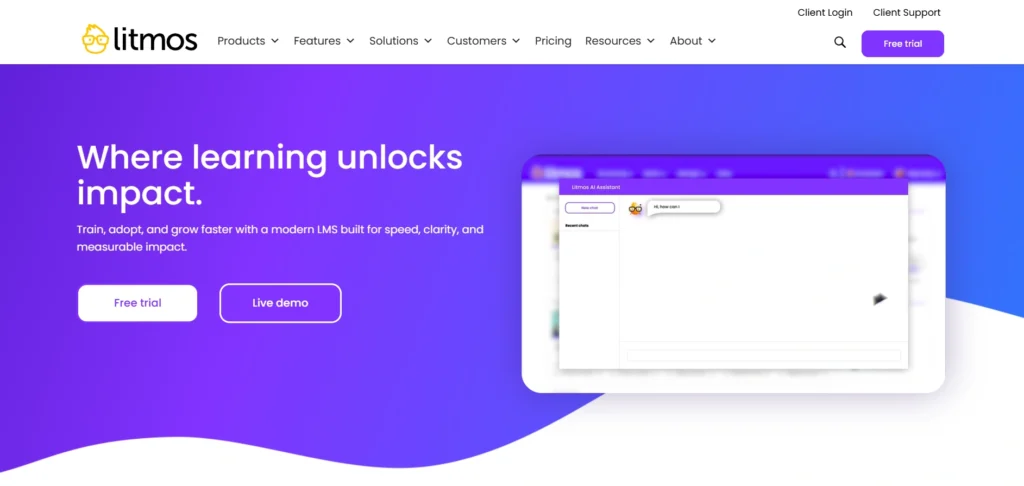
Litmos is a cloud-based Learning Management System known for its simplicity, mobile accessibility, and automation capabilities. Healthcare organisations use Litmos for compliance training, onboarding, and employee skill development.
The platform supports video-based learning, assessments, gamification, and automated course assignments, making training more engaging and efficient. Litmos also offers reporting tools that help healthcare administrators monitor employee progress and certification completion.
Its integration with HR and business systems simplifies workforce training management. The platform’s ease of use and scalable architecture make it suitable for healthcare organisations seeking fast and effective digital learning solutions.
Best For: Healthcare organisations seeking simple and mobile-friendly LMS solutions.
Key Features
- Mobile learning support
- Automated course assignments
- Gamification features
- Compliance tracking
- Integration with business tools
Pros
- Easy to use and deploy
- Strong mobile accessibility
- Good automation features
- Engaging learning experience
Cons
- Limited advanced customisation
- Reporting features can be basic
- Higher pricing for premium plans
Pricing:
- Contact Sales for Pricing
9. Paradiso LMS
Website: https://www.paradisosolutions.com/
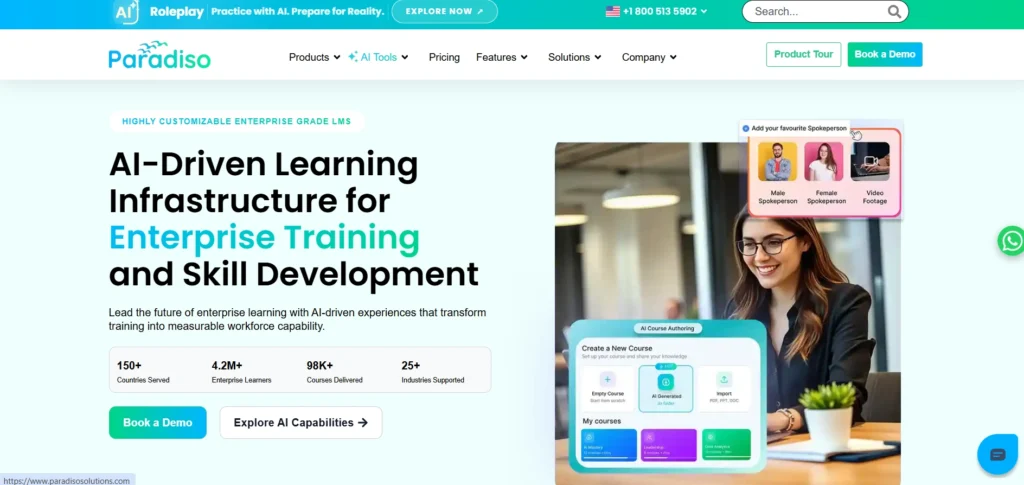
Paradiso LMS is a customisable learning platform designed to support employee training, compliance management, and blended learning environments. Healthcare organisations use Paradiso LMS for staff onboarding, certification management, and continuous education programs.
The platform supports e-learning, virtual classrooms, gamification, and mobile learning to improve engagement and accessibility. Its AI-driven features and integration capabilities allow organisations to automate training workflows and track learner performance efficiently.
Paradiso LMS also offers multilingual support and customisable dashboards, making it suitable for healthcare providers with diverse workforce requirements and complex organisational training structures.
Best For: Healthcare organisations needing multilingual and highly customisable learning environments.
Key Features
- Blended learning support
- Virtual classroom integration
- AI-powered automation
- Multilingual learning support
- Customisable dashboards
Pros
- Highly customisable platform
- Supports multiple learning formats
- Good integration capabilities
- Suitable for global teams
Cons
- Interface can feel complicated
- Setup process may take time
- Customer support response varies
Pricing:
- Growth Plan– Get Personalized Quote
- Enterprise Plan– Contact Sales
10. LearnUpon
Website: https://www.learnupon.com/
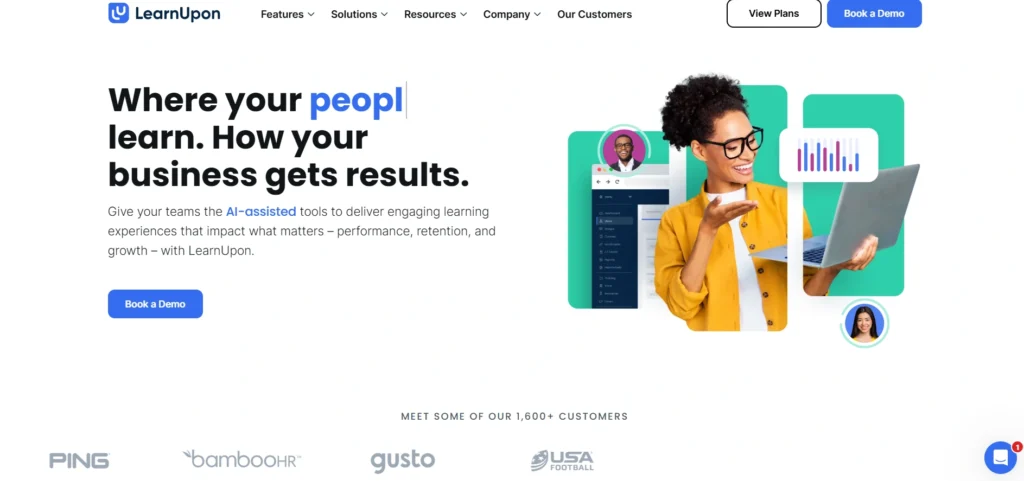
LearnUpon is a cloud-based LMS platform that helps healthcare organisations deliver structured training, compliance education, and professional development programs efficiently.
The platform offers intuitive course management, automated workflows, certification tracking, and reporting tools that simplify employee learning management. Healthcare providers use LearnUpon to onboard staff, deliver mandatory compliance courses, and track learning progress across departments.
Its user-friendly interface and integration capabilities improve accessibility and operational efficiency. LearnUpon also supports mobile learning and multimedia content, allowing healthcare professionals to access training anytime. The platform is valued for its scalability, ease of implementation, and learner-focused experience
Best For: Healthcare organisations seeking an easy-to-use and scalable LMS platform.
Key Features
- Intuitive course management
- Automated workflows
- Certification tracking
- Multimedia learning support
- Detailed reporting tools
Pros
- User-friendly interface
- Quick implementation process
- Excellent learner experience
- Strong customer support
Cons
- Limited deep customisation
- Advanced analytics require higher plans
- Pricing may increase with users
Pricing:
- Contact Sales for Pricing
How to Choose the Right Healthcare LMS for Your Organisation
Choosing the right Healthcare Learning Management System (LMS) is a critical decision for hospitals, clinics, and healthcare institutions aiming to improve training quality, ensure compliance, and enhance patient care.
The ideal LMS should not only support medical education but also align with organisational goals, workflows, and regulatory requirements. With many options available in the market, evaluating key factors helps ensure long-term value and effectiveness.
- Assess Your Organisation’s Training Needs: Start by identifying your healthcare organisation’s specific training requirements, such as onboarding, compliance training, or continuous medical education. Understanding whether you need basic training or advanced clinical simulations will help narrow down suitable LMS options.
- Check Compliance and Regulatory Support: A good Healthcare LMS must support industry regulations like HIPAA, OSHA, or local healthcare standards. Ensure the platform includes compliance tracking, certification management, and audit-ready reporting features.
- Evaluate Ease of Use and Accessibility: The system should be user-friendly for doctors, nurses, and administrative staff. Mobile accessibility, simple navigation, and intuitive dashboards are important to encourage regular usage and improve learning engagement.
- Look for Customization and Scalability: Choose an LMS that can be customised according to your hospital’s workflows and can scale as your organisation grows. It should support multiple departments, locations, and evolving training needs.
- Review Integration Capabilities: Review Integration Capabilities: The LMS should integrate smoothly with existing healthcare systems such as Electronic Health Records (EHR), HR software, Healthcare CRM Software, and communication toolss. This ensures seamless data flow and improved operational efficiency.
- Analyse Reporting and Analytics Features: Advanced reporting tools help track learner progress, training effectiveness, and skill gaps. Choose an LMS that provides detailed insights to improve decision-making and training outcomes.
- Consider Cost and Long-Term Value: Evaluate pricing models carefully, including setup costs, subscription fees, and hidden charges. Focus on long-term value rather than just initial cost to ensure sustainable investment.
- Check Vendor Support and Training Services: Reliable customer support services and training from the LMS provider are essential. Good vendor support ensures smooth implementation, troubleshooting, and continuous system improvement over time.
Benefits of Implementing a Healthcare LMS
A Healthcare Learning Management System (LMS) offers significant advantages to hospitals, clinics, and medical institutions by improving training efficiency, compliance, and overall patient care quality. It centralises learning, reduces manual effort, and ensures continuous professional development for healthcare staff.
- Improved Staff Training Efficiency: Healthcare LMS streamlines training processes by delivering structured digital courses, reducing time and effort required for traditional classroom-based learning programs.
- Ensures Regulatory Compliance: It helps healthcare organisations meet industry regulations by tracking mandatory training, certifications, and ensuring staff follow updated medical guidelines consistently.
- Enhances Patient Care Quality: Well-trained healthcare professionals provide better diagnosis, treatment, and patient handling, ultimately improving overall healthcare service quality and patient satisfaction.
- Reduces Training Costs: By shifting to digital learning, hospitals reduce expenses related to physical training sessions, printed materials, travel, and instructor-led programs significantly.
- Enables Continuous Medical Education: Healthcare LMS supports ongoing learning through updated courses and certifications, helping professionals stay current with evolving medical practices and technologies.
- Provides Real-Time Performance Tracking: Administrators can monitor employee progress, course completion, and skill gaps through dashboards, enabling better training decisions and workforce development planning.
- Improves Employee Engagement: Interactive learning modules, quizzes, and gamified content keep healthcare staff engaged and motivated to complete training programs effectively.
- Standardises Training Across Organisation: It ensures consistent training delivery across departments and locations, reducing knowledge gaps and maintaining uniform healthcare standards throughout the organisation.
Healthcare LMS Implementation: What to Expect
Implementing a Healthcare Learning Management System (LMS) is a structured process that helps organisations transition from traditional training methods to a more efficient, digital learning environment. While the shift may seem complex, following a step-by-step approach ensures smooth adoption, minimal disruption, and long-term success in improving staff training and compliance management.
Step 1 – Audit Your Current Training Processes
The first step involves reviewing existing training methods, materials, and compliance practices. Organisations identify gaps, inefficiencies, and outdated content to understand what needs improvement before implementing a new LMS.
Step 2 – Define Learning Goals and Compliance Requirements
Healthcare institutions must clearly define what they aim to achieve with the LMS, such as improving clinical training, ensuring regulatory compliance, or enhancing onboarding processes. This step also includes mapping mandatory certifications and legal requirements.
3Step 3 – Shortlist and Demo Platforms
Organisations evaluate multiple LMS platforms based on features, usability, integration capabilities, and healthcare-specific functions. Demo sessions help decision-makers compare tools and choose the most suitable system.
Step 4 – Plan Content Migration and Course Creation
Existing training materials are organized, updated, and migrated into the new LMS. New digital courses may also be created, including videos, assessments, and interactive modules tailored to healthcare staff.
Step 5 – Pilot With a Small Team Before Full Rollout
Before full implementation, a pilot program is conducted with a small group of users. This helps identify technical issues, gather feedback, and refine the system for better performance.
Step 6 – Train Admins and Launch Organisation-Wide
Once the system is optimised, administrators and trainers are trained to manage the LMS effectively. The platform is then rolled out across the organisation with continuous support and monitoring to ensure successful adoption.
Final Thoughts
In conclusion, a Healthcare Learning Management System (LMS) plays a vital role in modernising training, improving compliance, and enhancing the overall quality of healthcare services. It provides a centralised platform for continuous medical education, staff onboarding, and skill development while ensuring adherence to strict regulatory standards.
By automating learning processes and offering real-time tracking, healthcare LMS platforms help organisations reduce training costs and improve efficiency. As the healthcare industry continues to evolve, adopting a robust LMS is no longer optional but essential. It empowers professionals with up-to-date knowledge, ultimately leading to better patient outcomes and stronger healthcare systems.