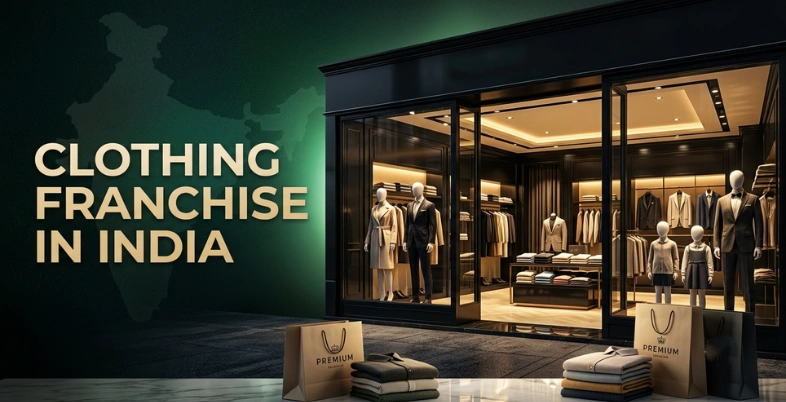
One of the most rapid growing sectors of retail in India is its apparel and fashion industry. There has been an upswing in demand for branded clothing due to growing purchasing power of consumers, an increasing penchant for fashion trends, and rapid expansion of formal retail sectors. It has been estimated by a few industry sources that the demand for apparel in India is projected to grow at a fast pace in the upcoming years thereby presenting a great opportunity for aspiring business owners and investors.
Becoming the proprietor of a clothing franchise in India is a relatively safer and organized way for those individuals aspiring to create their mark in the fashion industry rather than starting an independent brand.
Under a franchise, one can exploit an established company brand name, proven business model, customer credibility as well as support from the main organization. Whether one is interested in men’s formal or informal wear, kids’ apparel, ethnic wear for women, or simply families’ dresses, there’s always a franchise option depending on an individual’s budget and choice of location. The following article shall provide you with a thorough guide on selecting best clothing franchises in India, investments involved, expected revenues, application process, and some crucial points to be considered while making the final decision on this investment.
What Is A Clothing Franchise In India And How Does It Work?
Clothing franchise in India involves a partnership wherein an entrepreneur owns and manages a shop operating under the umbrella of an established clothing brand.
Instead of conceptualizing, developing and selling a custom brand of clothing, the individual obtains a license for utilizing the brand’s name, inventory, store design and operational methodology in return for a certain fee.
Under such arrangement, the franchisor typically provides guidance for setting up the store, maintaining inventory, educating employees, product promotion, branding and management of operational functions. The franchisee has the responsibility of undertaking the daily management of operations, recruiting employees, servicing customers and maintaining the standards of the brand. The main advantage is that people are aware of the brand, which decreases effort needed in building trust with the clientele.
It further saves time and resources that go in devising marketing and sales strategies since such strategies are already in place. For the entrepreneurs who intend to invest in retail business without building a new brand, investing in clothing franchises could be an intelligent option.
Why The Clothing Franchise Industry In India Is Growing Rapidly
The overall demand for branded clothes in India has seen tremendous upsurge. People have become much more aware of prevailing fashion trends and are ready to spend significantly on high quality clothes that would best suit their personality and life-style.
A significant reason is increasing disposable incomes among the urban consumers, leading to upsurge in purchases of branded wear for formal dressing as well as for various casual purposes. The advent of numerous shopping malls, and rise of online shopping have further propelled the awareness as well as availability of such branded apparel.
This rise has reached out to the small towns as well. Moreover, growth of ethnic wear segments for women, casual wear for men, specific market for kids’ clothing etc have led major fashion brands to expand with franchises across India.
Key Benefits Of Investing In A Clothing Franchise Instead Of Starting Your Own Brand
It’s a strenuous and expensive affair to start your own clothing brand, as one has to build the brand from scratch, get supply chain sorted, identify product-market fit, advertise the brand and attract customers. Clothing franchise cuts down this entire hassle and offers the business owner a proven system to follow.
- Brand Awareness- Owning a franchise saves all the hustle to build a brand. Well known brands have an existing customer base who come to you with established trust. The sales process starts at a much faster rate compared to a new venture.
- Operational Support- The franchisor supports the franchisee by providing the design of the store, training for employees, advice for inventory management, guidance in marketing and other operational help. This becomes a huge boon for people who are venturing into a new industry.
- Product and Market- Proven products with defined target market. The product line and the brand marketing strategies are already defined based on research. This saves entrepreneurs a lot of time and money in experimentation.
- Supply chain- established supply chain makes sourcing of the inventory easy. Key benefits such as easy sourcing, and reduced investment in research make buying into a clothing franchise relatively less risky than creating your own venture.
Types Of Clothing Franchise Opportunities Available In India
India’s fashion retail market offers a wide variety of franchise opportunities. Choosing the right category depends on your investment capacity, target audience, and local market demand.
Men’s Wear Franchises
Men’s fashion remains one of the largest segments in the apparel industry. These franchises focus on formal wear, casual wear, business attire, and accessories for male customers. Brands such as Peter England, Van Heusen, and Raymond are popular examples.
Women’s Wear Franchises
Women’s apparel franchises offer products such as ethnic wear, western wear, festive collections, and fashion accessories. Brands like Biba, W for Woman, and Aurelia have strong customer demand across India.
Kids Wear Franchises
Parents are increasingly spending on branded clothing for children, making kids wear an attractive retail category. These franchises typically offer clothing for infants, toddlers, and young children.
Family Fashion Stores
Retail outlet catering to the needs of the entire family men’s, women’s, and children wear together. These do very well in small towns and cities.
Premium Fashion Franchises
Premium Fashion Franchises offer high end designer wear for affluent class. Investment for this segment will be significantly high.
Budget Apparel Franchises
Budget Apparel Franchises caters to the middle class with low priced but stylish apparel. Raymond is quite popular across age groups.
Ethnic Wear Franchises
Clothing designed in traditional Indian patterns and styles which is high on demand for festivals and weddings.
Top Clothing Franchise In India: Quick Comparison Table
| Brand | Estimated Investment | Area Required | Royalty Fee | Expected Profit Margin | Best Suited For |
| FirstCry | ₹20 Lakh – ₹50 Lakh | 1,000–2,000 sq. ft. | Varies | 15%–25% | Kids Wear |
| Cantabil | ₹30 Lakh – ₹60 Lakh | 1,000–1,500 sq. ft. | Varies | 20%–35% | Family Fashion |
| Peter England | ₹40 Lakh – ₹80 Lakh | 1,000–1,500 sq. ft. | Varies | 20%–30% | Men’s Wear |
| Louis Philippe | ₹50 Lakh – ₹1 Crore | 1,200–2,000 sq. ft. | Varies | 20%–35% | Premium Menswear |
| Allen Solly | ₹40 Lakh – ₹80 Lakh | 1,000–1,500 sq. ft. | Varies | 20%–30% | Casual & Formal Wear |
| Van Heusen | ₹50 Lakh – ₹1 Crore | 1,200–2,000 sq. ft. | Varies | 20%–35% | Premium Fashion |
| Raymond | ₹50 Lakh – ₹1 Crore+ | 1,200–2,500 sq. ft. | Varies | 20%–35% | Formal Wear |
| Mufti | ₹30 Lakh – ₹70 Lakh | 800–1,500 sq. ft. | Varies | 20%–30% | Casual Menswear |
| Biba | ₹40 Lakh – ₹90 Lakh | 1,000–2,000 sq. ft. | Varies | 20%–35% | Women’s Ethnic Wear |
| W For Woman | ₹35 Lakh – ₹80 Lakh | 800–1,500 sq. ft. | Varies | 20%–35% | Women’s Fashion |
| Aurelia | ₹30 Lakh – ₹70 Lakh | 800–1,500 sq. ft. | Varies | 20%–35% | Affordable Ethnic Wear |
| Manyavar | ₹75 Lakh – ₹2 Crore | 1,500–3,000 sq. ft. | Varies | 25%–40% | Wedding & Ethnic Wear |
| FabIndia | ₹50 Lakh – ₹1 Crore+ | 1,500–3,000 sq. ft. | Varies | 20%–35% | Ethnic & Lifestyle |
| Monte Carlo | ₹40 Lakh – ₹80 Lakh | 1,000–1,500 sq. ft. | Varies | 20%–30% | Family Apparel |
| Levi’s | ₹50 Lakh – ₹1 Crore | 1,200–2,000 sq. ft. | Varies | 20%–35% | Premium Denim & Casual Wear |
List Of Top 15 Best Clothing Franchise in India
1. FirstCry Clothing Franchise

Website: firstcry.com
Founded in 2010, FirstCry is India’s largest baby and kids’ products retailer and has built a strong presence across the country. While the brand is widely known for baby care products, its apparel segment contributes significantly to overall sales. FirstCry offers a trusted shopping experience for parents looking for quality clothing, footwear, and accessories for infants, toddlers, and children. Its strong brand recognition and growing retail network make it a popular franchise opportunity in India.
- Number of Stores/Outlets Pan-India: 900+ stores
- Product Categories: Kids’ clothing, infant wear, footwear, baby essentials, accessories, toys, and maternity products
- Franchise Cost and Setup Investment: Approximately ₹20 lakh to ₹50 lakh
- Profit Margin: 15%–25%
- Royalty and Marketing Fee: Varies according to the franchise model and agreement
- Space Requirement: 1,000–2,000 sq. ft.
- Who It Is Ideal For: Entrepreneurs in Tier 1, Tier 2, and growing Tier 3 cities with a strong family customer base
2. Cantabil Franchise
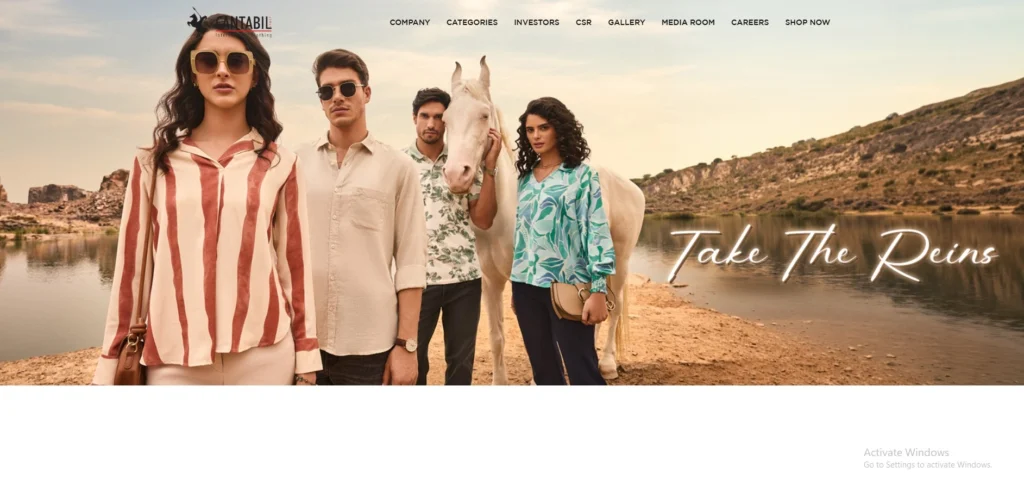
Website: cantabilinternational.com
Founded in 2000, Cantabil is a well-established Indian fashion brand known for offering affordable and stylish apparel for men, women, and children. Over the years, the company has expanded significantly across India by catering to middle-class and upper-middle-class consumers. Its combination of fashionable designs, competitive pricing, and broad product range has helped the brand build a loyal customer base across multiple markets.
- Number of Stores/Outlets Pan-India: 500+ stores
- Product Categories: Casual wear, formal wear, ethnic wear, winter wear, accessories, and family fashion apparel
- Franchise Cost and Setup Investment: Approximately ₹30 lakh to ₹60 lakh
- Profit Margin: 20%–35%
- Royalty and Marketing Fee: Applicable as per franchise agreement
- Space Requirement: 1,000–1,500 sq. ft.
- Who It Is Ideal For: Investors targeting middle-class consumers in Tier 2 and Tier 3 cities
3. Peter England Franchise
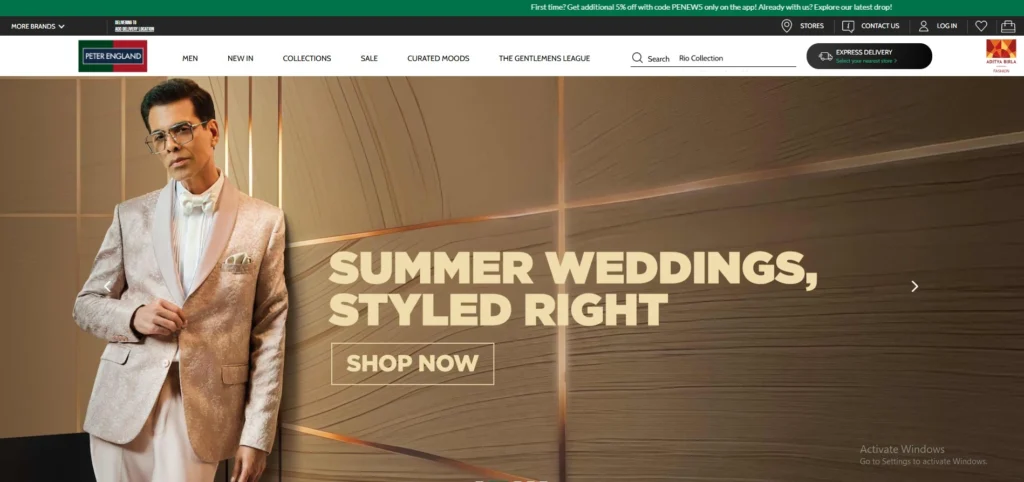
Website: peterengland.com
Launched in India in 1997 and part of Aditya Birla Fashion and Retail, Peter England is one of the country’s most trusted menswear brands. The company has built a strong reputation for offering stylish, affordable, and high-quality apparel for professionals and young consumers. Its wide customer appeal and strong brand recognition have made Peter England one of the leading apparel retail brands in India.
- Number of Stores/Outlets Pan-India: 380+ stores
- Product Categories: Formal shirts, trousers, blazers, casual wear, jeans, t-shirts, footwear, and fashion accessories
- Franchise Cost and Setup Investment: Approximately ₹40 lakh to ₹80 lakh
- Profit Margin: 20%–30%
- Royalty and Marketing Fee: Applicable as per franchise agreement
- Space Requirement: 1,000–1,500 sq. ft.
- Who It Is Ideal For: Entrepreneurs seeking a mass-market menswear franchise in Tier 1, Tier 2, and Tier 3 cities
4. Louis Philippe Franchise
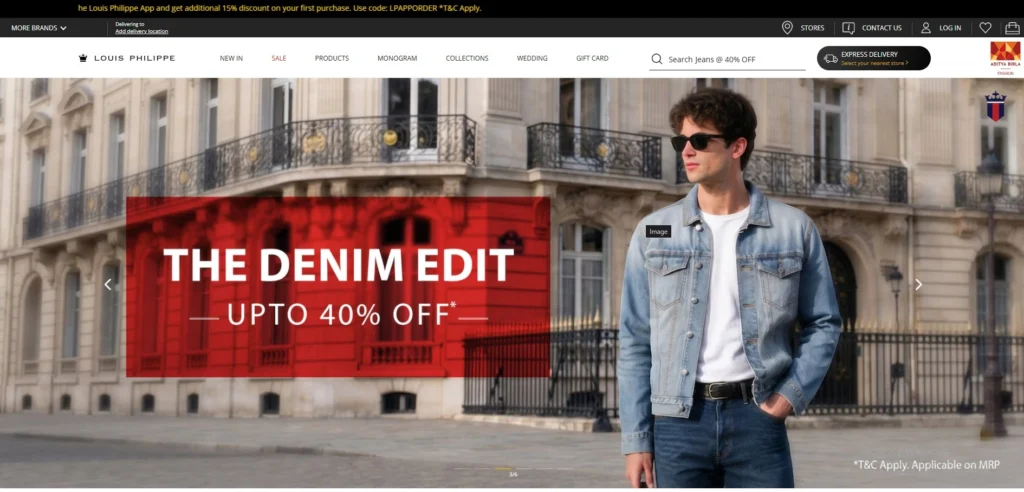
Website: louisphilippe.abfrl.in
Established in 1989, Louis Philippe is one of India’s leading premium menswear brands and a flagship brand of Aditya Birla Fashion and Retail. The company has positioned itself as a symbol of sophistication, elegance, and premium craftsmanship. Its strong reputation among professionals and business executives makes it one of the most sought-after premium fashion franchises in India.
- Number of Stores/Outlets Pan-India: 250+ stores
- Product Categories: Premium shirts, trousers, suits, blazers, ethnic wear, footwear, and fashion accessories
- Franchise Cost and Setup Investment: Approximately ₹50 lakh to ₹1 crore+
- Profit Margin: 20%–35%
- Royalty and Marketing Fee: Applicable as per franchise agreement
- Space Requirement: 1,200–2,000 sq. ft.
- Who It Is Ideal For: Investors targeting premium customers in metro cities and affluent Tier 2 markets
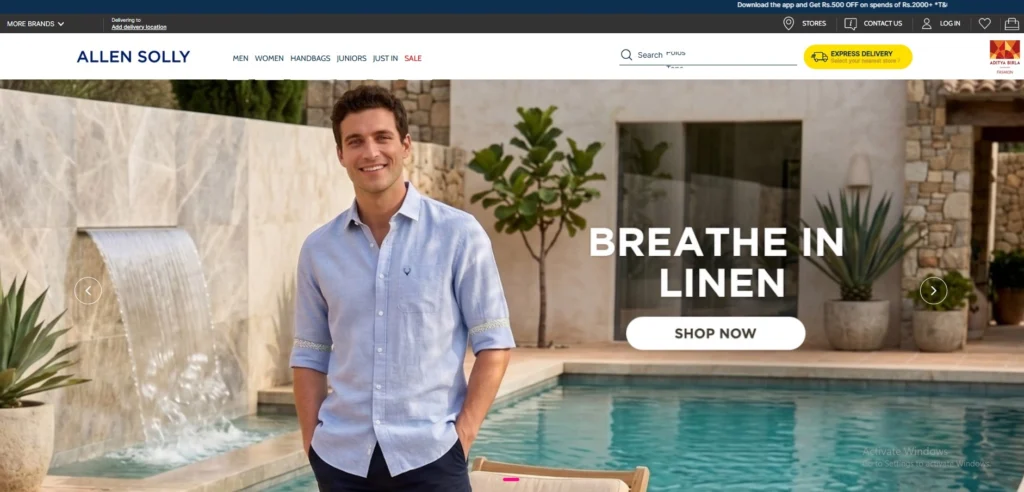
5. Allen Solly Franchise
Website: allensolly.abfrl.in
Founded in 1993 in India under Aditya Birla Fashion and Retail, Allen Solly is known for introducing the concept of “Friday Dressing” to the Indian market. The brand successfully blends formal and casual fashion, making it popular among young professionals and urban consumers. Over the years, Allen Solly has built a strong presence across India through its stylish product offerings and modern retail experience.
- Number of Stores/Outlets Pan-India: 500+ stores
- Product Categories: Shirts, trousers, t-shirts, dresses, jackets, denim wear, footwear, handbags, and accessories
- Franchise Cost and Setup Investment: Approximately ₹40 lakh to ₹80 lakh
- Profit Margin: 20%–30%
- Royalty and Marketing Fee: Applicable as per franchise agreement
- Space Requirement: 1,000–1,500 sq. ft.
- Who It Is Ideal For: Investors targeting young professionals and lifestyle-focused consumers in metro and Tier 2 cities.
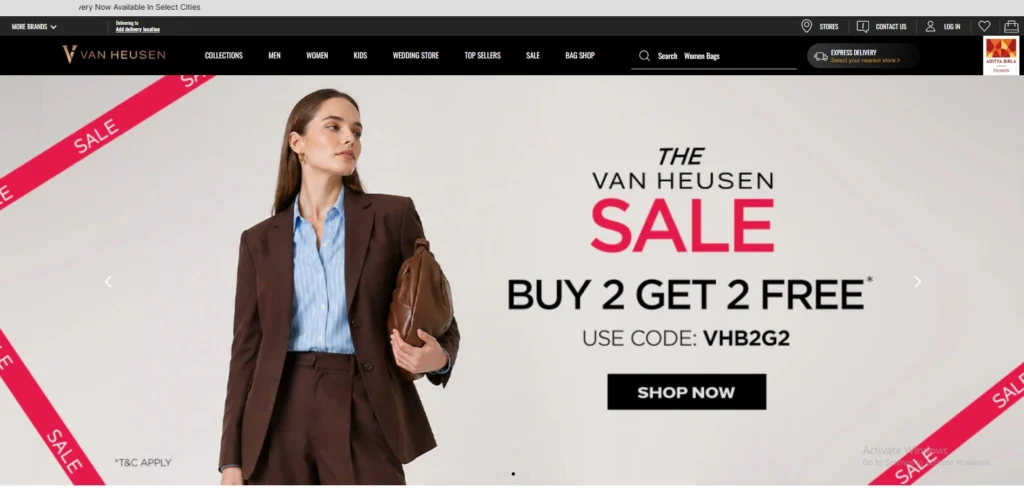
6. Van Heusen Franchise
Website: vanheusenindia.com
Van Heusen is one of India’s leading premium fashion brands and is part of Aditya Birla Fashion and Retail. The brand has established a strong reputation among professionals and corporate employees through its premium-quality apparel and modern designs. Its diverse product portfolio and strong brand recognition make it a preferred retail franchise opportunity in India’s apparel sector.
- Number of Stores/Outlets Pan-India: 400+ stores
- Product Categories: Formal wear, business attire, casual clothing, innerwear, athleisure products, and accessories
- Franchise Cost and Setup Investment: Approximately ₹50 lakh to ₹1 crore
- Profit Margin: 20%–35%
- Royalty and Marketing Fee: Applicable as per franchise agreement
- Space Requirement: 1,200–2,000 sq. ft.
- Who It Is Ideal For: Entrepreneurs targeting urban professionals in Tier 1 cities and affluent Tier 2 markets
7. Raymond Franchise
Website: raymond.in
Established in 1925, Raymond is one of India’s oldest and most respected fashion and textile brands. The company is renowned for its premium suiting fabrics and has expanded into ready-made garments, ethnic wear, and lifestyle products. With decades of trust and a strong retail presence, Raymond remains one of the most recognized names in India’s premium apparel market.
- Number of Stores/Outlets Pan-India: 1,500+ stores and outlets
- Product Categories: Suiting fabrics, formal wear, ethnic wear, casual wear, wedding attire, and fashion accessories
- Franchise Cost and Setup Investment: Approximately ₹50 lakh to ₹1 crore+
- Profit Margin: 20%–35%
- Royalty and Marketing Fee: Applicable as per franchise agreement
- Space Requirement: 1,200–2,500 sq. ft.
- Who It Is Ideal For: Investors targeting premium customers and wedding-wear markets in Tier 1 and affluent Tier 2 cities
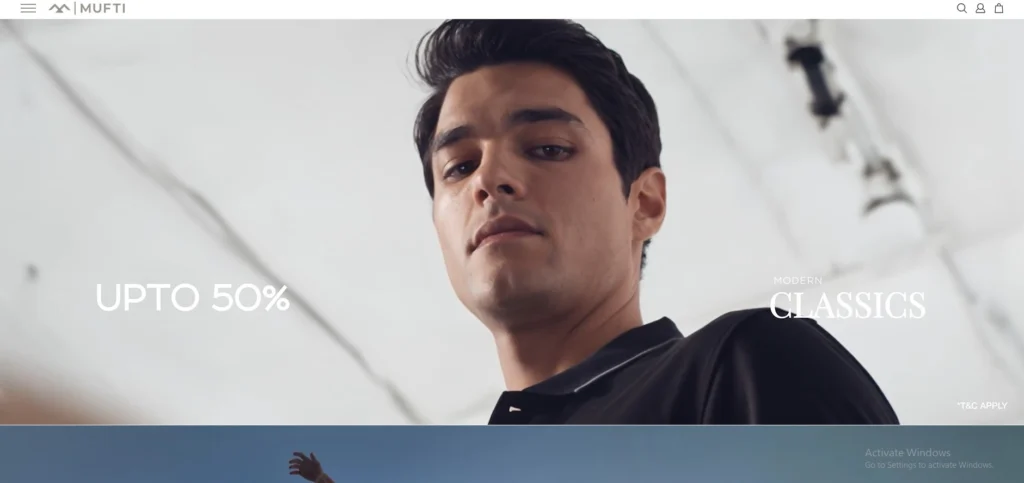
8. Mufti Franchise
Website: https://www.muftijeans.in/
Founded in 1998, Mufti is a leading Indian menswear brand specializing in casual and smart-casual fashion. The brand has built a strong identity among young adults and urban consumers through its trendy designs and contemporary styling. Its focus on casual fashion and strong customer appeal have helped Mufti establish a loyal customer base across India.
- Number of Stores/Outlets Pan-India: 350+ stores
- Product Categories: Jeans, shirts, t-shirts, jackets, sweatshirts, denim wear, and accessories
- Franchise Cost and Setup Investment: Approximately ₹30 lakh to ₹70 lakh
- Profit Margin: 20%–30%
- Royalty and Marketing Fee: Applicable as per franchise agreement
- Space Requirement: 800–1,500 sq. ft.
- Who It Is Ideal For: Entrepreneurs targeting young consumers in metro cities, college towns, and emerging urban markets
9. Biba Franchise
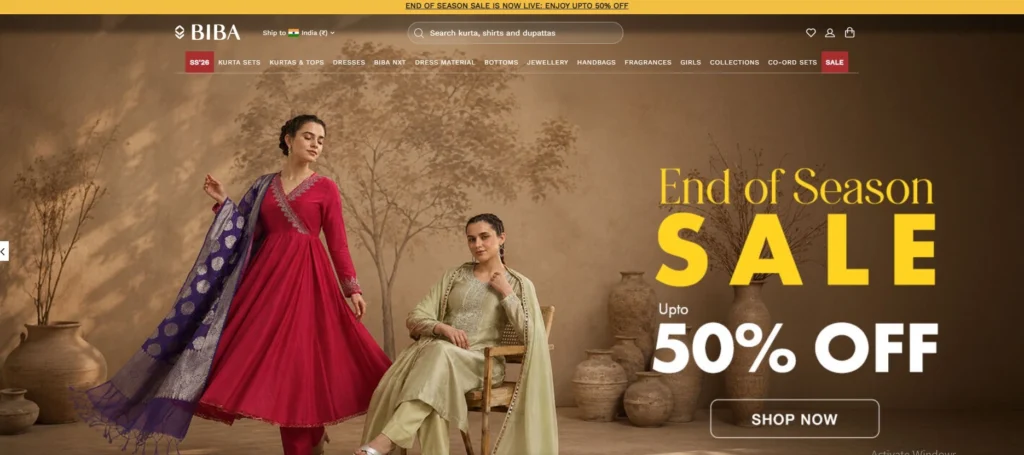
Website: biba.in
Founded in 1988, Biba is one of India’s most popular women’s ethnic wear brands. The company has built a loyal customer base by offering stylish and contemporary traditional clothing that blends comfort with fashion. Today, Biba is a household name in the ethnic fashion segment and enjoys strong demand across major Indian cities.
- Number of Stores/Outlets Pan-India: 350+ stores
- Product Categories: Salwar suits, kurtas, festive wear, fusion wear, ethnic sets, and fashion accessories
- Franchise Cost and Setup Investment: Approximately ₹40 lakh to ₹90 lakh
- Profit Margin: 20%–35%
- Royalty and Marketing Fee: Applicable as per franchise agreement
- Space Requirement: 1,000–2,000 sq. ft.
- Who It Is Ideal For: Investors targeting women consumers in Tier 1 and Tier 2 cities
10. W For Woman Franchise
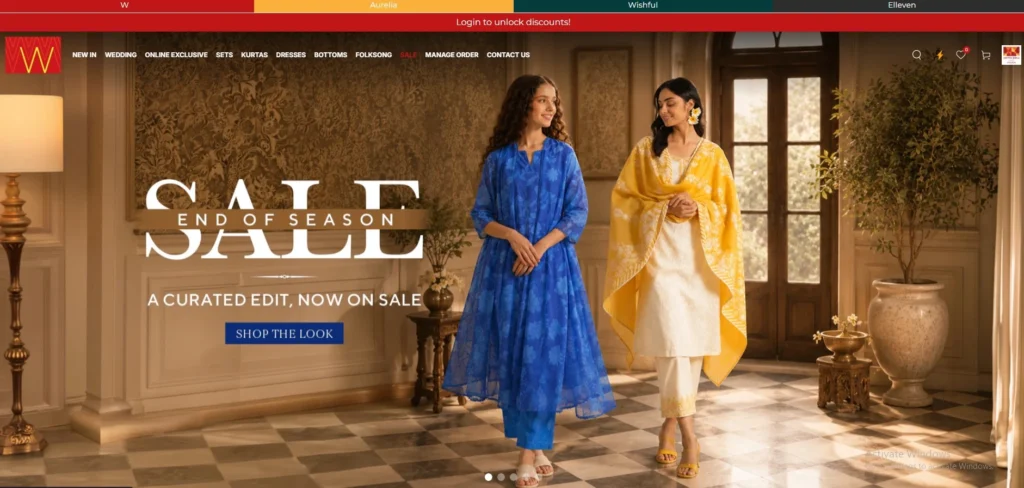
Website: wforwoman.com
Founded in 2001, W For Woman is one of India’s leading contemporary ethnic fashion brands. The company is known for blending traditional Indian aesthetics with modern silhouettes, making its collections popular among working women and urban consumers. Its strong brand image and growing retail footprint have made it a leading player in the women’s ethnic wear segment.
- Number of Stores/Outlets Pan-India: 300+ stores
- Product Categories: Kurtas, dresses, palazzos, ethnic sets, fusion wear, and fashion accessories
- Franchise Cost and Setup Investment: Approximately ₹35 lakh to ₹80 lakh
- Profit Margin: 20%–35%
- Royalty and Marketing Fee: Applicable as per franchise agreement
- Space Requirement: 800–1,500 sq. ft.
- Who It Is Ideal For: Entrepreneurs targeting women shoppers in metro cities and affluent Tier 2 markets
11. Aurelia Franchise
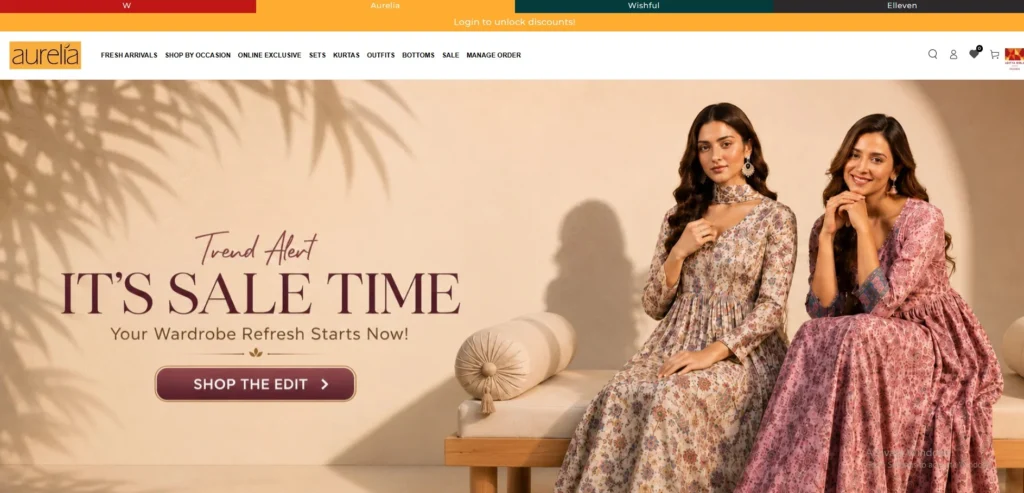
Website: https://shopforaurelia.com/
Aurelia is a fast-growing women’s ethnic wear brand from the TCNS Clothing portfolio. Known for offering affordable and fashionable ethnic wear, the brand appeals to middle-class and upper-middle-class consumers across India. Its strong value proposition and wide product range have helped Aurelia expand rapidly in the organized fashion retail market.
- Number of Stores/Outlets Pan-India: 250+ stores
- Product Categories: Kurtas, ethnic sets, palazzos, dupattas, dresses, and fusion wear
- Franchise Cost and Setup Investment: Approximately ₹30 lakh to ₹70 lakh
- Profit Margin: 20%–35%
- Royalty and Marketing Fee: Applicable as per franchise agreement
- Space Requirement: 800–1,500 sq. ft.
- Who It Is Ideal For: Investors seeking an affordable women’s fashion franchise in Tier 1 and Tier 2 cities
12. Manyavar Franchise
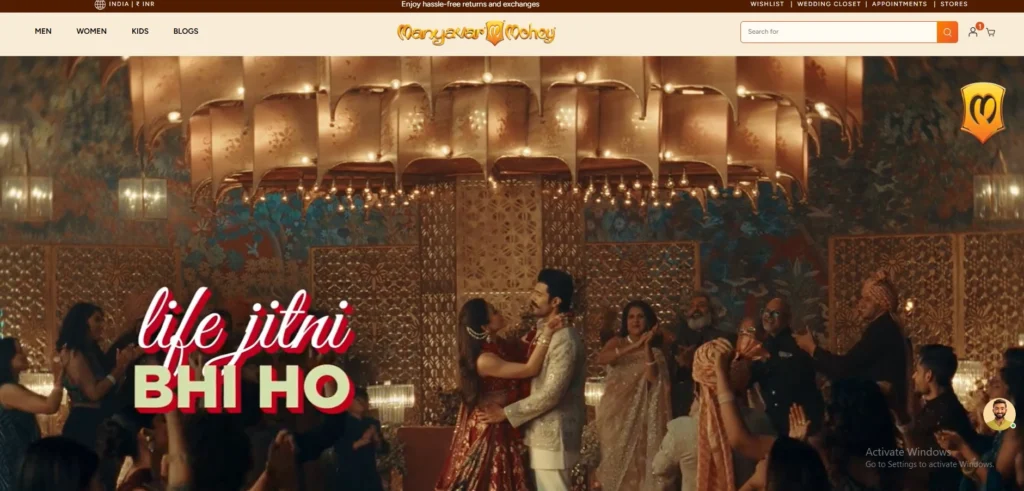
Website: manyavar.com
Founded in 1999, Manyavar has become India’s most recognized ethnic wear brand for weddings and celebrations. The company has built a dominant presence in the premium ethnic fashion segment and is widely known for its wedding-focused collections. Through its strong brand reputation and extensive retail network, Manyavar continues to be a leading choice in India’s ethnic wear market.
- Number of Stores/Outlets Pan-India: 650+ stores
- Product Categories: Sherwanis, kurtas, Indo-western outfits, wedding attire, festive wear, and premium ethnic clothing
- Franchise Cost and Setup Investment: Approximately ₹75 lakh to ₹2 crore+
- Profit Margin: 25%–40%
- Royalty and Marketing Fee: Applicable as per franchise agreement
- Space Requirement: 1,500–3,000 sq. ft.
- Who It Is Ideal For: Entrepreneurs targeting wedding, festive, and premium ethnic wear customers
13. FabIndia Franchise
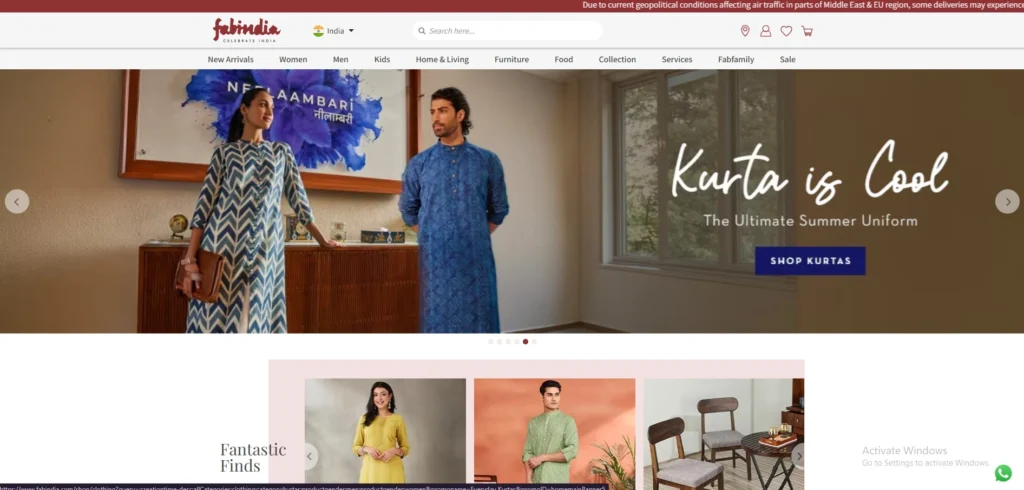
Website: fabindia.com
Founded in 1960, FabIndia is one of India’s most respected lifestyle and ethnic fashion brands. The company is known for promoting traditional Indian craftsmanship, handcrafted products, and sustainable fashion. Its unique positioning and loyal customer base have helped the brand maintain a strong presence in both fashion and lifestyle retail segments.
- Number of Stores/Outlets Pan-India: 350+ stores
- Product Categories: Ethnic wear, handcrafted apparel, home furnishings, personal care products, and lifestyle merchandise
- Franchise Cost and Setup Investment: Approximately ₹50 lakh to ₹1 crore+
- Profit Margin: 20%–35%
- Royalty and Marketing Fee: Applicable as per franchise agreement
- Space Requirement: 1,500–3,000 sq. ft.
- Who It Is Ideal For: Investors targeting premium customers interested in sustainable and handcrafted products
14. Monte Carlo Franchise
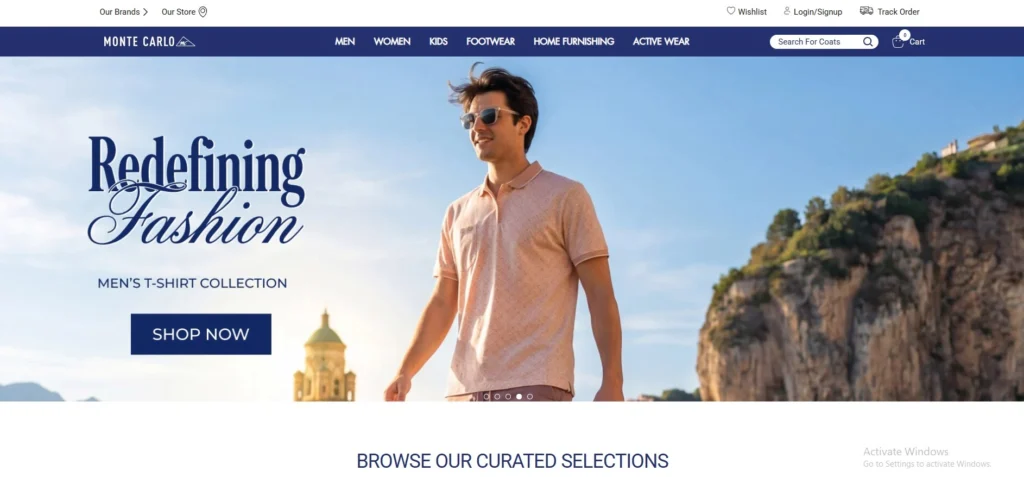
Website: montecarlo.in
Founded in 1984, Monte Carlo is a well-established Indian apparel brand known for its strong presence in the winter wear segment. Over the years, the company has diversified into casual and family fashion while maintaining its reputation for quality and affordability. The brand enjoys strong recognition across Tier 2 and Tier 3 markets.
- Number of Stores/Outlets Pan-India: 300+ stores
- Product Categories: Sweaters, jackets, sweatshirts, t-shirts, shirts, denim wear, trousers, and accessories
- Franchise Cost and Setup Investment: Approximately ₹40 lakh to ₹80 lakh
- Profit Margin: 20%–30%
- Royalty and Marketing Fee: Applicable as per franchise agreement
- Space Requirement: 1,000–1,500 sq. ft.
- Who It Is Ideal For: Entrepreneurs targeting family fashion consumers in Tier 2 and Tier 3 cities
15. Levi’s Franchise
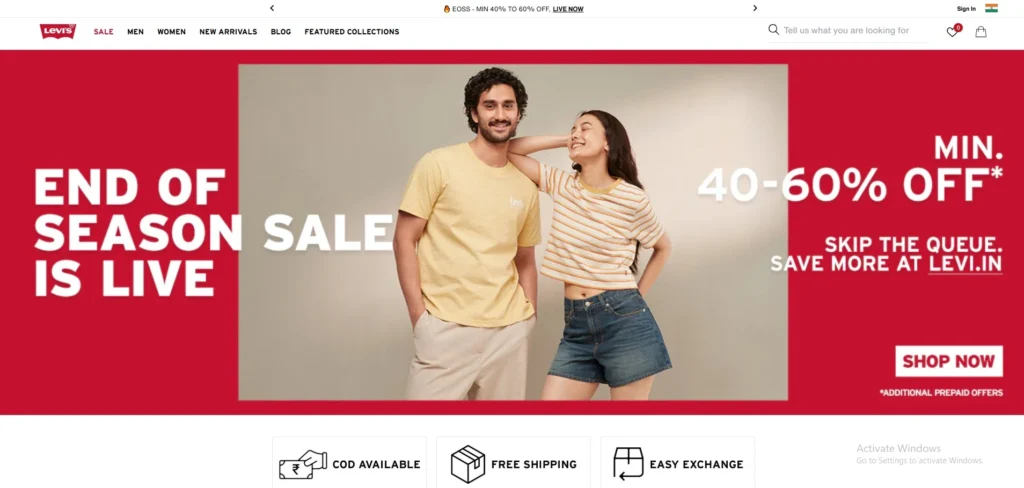
Website: levi.in
Founded in 1853, Levi’s is one of the world’s most iconic denim brands and enjoys strong popularity among fashion-conscious consumers in India. The brand is known for its premium-quality jeans, casual wear, and lifestyle apparel. Its global reputation, loyal customer base, and consistent demand make Levi’s one of the most attractive apparel franchise opportunities.
- Number of Stores/Outlets Pan-India: 400+ stores
- Product Categories: Denim jeans, shirts, t-shirts, jackets, casual wear, footwear, and accessories
- Franchise Cost and Setup Investment: Approximately ₹50 lakh to ₹1 crore
- Profit Margin: 20%–35%
- Royalty and Marketing Fee: Applicable as per franchise agreement
- Space Requirement: 1,200–2,000 sq. ft.
- Who It Is Ideal For: Investors targeting urban consumers in metro cities and affluent Tier 2 markets seeking premium casual fashion
Explore more franchise options:
Clothing Franchise Investment Breakdown: Where Your Money Actually Goes?
- Franchise Fee: The franchise fee is the amount paid to the brand for the right to operate under its name and business model.
- Store Interiors and Branding: Costs in this category include store design, fixtures, display units, lighting, signage, branding elements, trial rooms, and customer service counters.
- Security Deposit and Rent: Most retail locations require a substantial security deposit in addition to monthly rent.
- Initial Inventory Purchase: This includes apparel, accessories, promotional items, and seasonal collections. Inventory costs often account for a large portion of the overall investment.
- Technology and Billing Systems: Modern clothing stores require billing software, inventory management systems, POS machines, barcode scanners, and other technology tools to manage operations efficiently.
- Staff Recruitment and Training: While many franchisors provide training support, salary expenses must still be considered.
- Marketing and Launch Activities: Local marketing campaigns, digital advertising, banners, promotional offers, and grand opening events help create awareness and attract initial customers.
- Working Capital: Working capital covers ongoing expenses such as salaries, rent, utilities, inventory replenishment, and operational costs.
Typical Cost Distribution
| Expense Category | Approximate Share of Total Investment |
| Franchise Fee | 10% – 20% |
| Store Interiors & Setup | 20% – 30% |
| Inventory Purchase | 25% – 40% |
| Security Deposit & Rent | 10% – 20% |
| Technology & Equipment | 3% – 5% |
| Marketing & Launch Costs | 5% – 10% |
| Working Capital | 10% – 15% |
Clothing Franchise Profit Margin In India: What Can You Realistically Earn?
One of the most common questions investors ask before opening a clothing franchise in India is how much profit they can realistically expect. While there is no fixed answer, most branded apparel stores operate on healthy margins when managed efficiently and located in areas with strong customer traffic.
The profit margin of a clothing franchise depends on several factors, including the brand, product category, location, rental costs, inventory turnover, and operational efficiency. Premium brands often enjoy higher average billing values, while affordable fashion brands may generate profits through higher sales volumes.
In general, most clothing franchises in India offer gross profit margins ranging between 30% and 50% on apparel products. After accounting for expenses such as rent, employee salaries, utilities, marketing costs, and royalty fees, the net profit margin typically ranges between 10% and 20%.
For example, if a clothing store generates monthly sales of ₹15 lakh and maintains a net profit margin of 15%, the business could earn approximately ₹2.25 lakh in monthly profit before taxes. Stores located in high-footfall areas with strong inventory management often perform even better.
Best Low-Investment Clothing Franchise Opportunities Under ₹20 Lakhs
Not every entrepreneur looking for clothing business ideas has the budget to invest ₹50 lakh or more in a fashion retail business. Fortunately, there are several low-investment clothing franchise opportunities available in India that allow aspiring business owners to enter the apparel industry with a smaller budget. These opportunities are particularly attractive for first-time entrepreneurs, small-town investors, and individuals looking to start a retail business with lower financial risk.
Most clothing franchises under ₹20 lakh operate through compact store formats, local apparel brands, or specialized clothing categories such as kids’ wear, budget fashion, and regional ethnic wear. These businesses generally require smaller retail spaces, lower inventory investments, and fewer employees compared to premium fashion stores.
Some affordable clothing franchise opportunities may include:
- Regional fashion brands expanding through franchise partnerships.
- Budget family wear stores.
- Kids’ apparel franchises.
- Small-format ethnic wear stores.
- Value-focused fashion retailers.
Best Clothing Franchise Opportunities For Small Towns And Tier-2 Cities In India
The clothing retail market is no longer limited to metropolitan cities. Over the past decade, many Tier-2 and Tier-3 cities have witnessed significant growth in consumer spending, fashion awareness, and demand for branded apparel. This trend has created excellent opportunities for entrepreneurs looking to establish a clothing franchise in India outside major urban centers.
One of the biggest advantages of smaller cities is lower operating costs. Rental expenses, employee salaries, and competition are often lower compared to metro markets, allowing franchise owners to achieve profitability more quickly.
Family fashion stores tend to perform particularly well in smaller cities because they cater to multiple customer segments under one roof. Affordable brands such as Cantabil, Monte Carlo, and Aurelia often attract strong customer demand because they offer a balance between quality and value.
When selecting a franchise for a Tier-2 or Tier-3 city, entrepreneurs should prioritize brands with affordable pricing, broad customer appeal, strong inventory support, and a proven track record in similar markets.
Important Factors To Consider Before Choosing A Clothing Franchise In India
Choosing the right clothing franchise is one of the most important decisions an entrepreneur will make. While a strong brand can improve the chances of success, several other factors should also be carefully evaluated before making an investment.
Brand Reputation
A well-known and trusted brand often attracts customers more easily than a lesser-known name. Before investing, research the company’s market presence, customer reviews, growth history, and reputation within the fashion industry.
Total Investment Requirement
Many investors focus only on the franchise fee and overlook additional costs such as interiors, inventory, rent, staff salaries, and working capital. Understanding the complete investment requirement is essential for proper financial planning.
Franchise Support
Strong franchisors provide assistance with store setup, staff training, inventory management, marketing, and operational guidance. This support can be especially valuable for first-time business owners.
Store Location Requirements
Many brands have specific location requirements based on footfall, visibility, and demographic profiles. Ensure that suitable retail space is available in your target market.
How To Start A Clothing Franchise In India: Step-by-Step Guide
Step 1: Research Suitable Clothing Brands
Begin by comparing different franchise opportunities based on investment requirements, target customers, profitability, and support systems. Shortlist brands that align with your budget and business goals.
Step 2: Contact the Franchise Team
Visit the official website of your preferred brand and submit a franchise inquiry form. Most companies will contact you to discuss investment requirements, location preferences, and franchise terms.
Step 3: Evaluate Financial Requirements
Review the total investment involved, including franchise fees, inventory costs, store setup expenses, and working capital requirements. Ensure that the opportunity fits your financial capacity.
Step 4: Select the Right Store Location
Location is one of the most important factors in retail success. Look for areas with high footfall, good visibility, easy accessibility, and strong demand for fashion products.
Step 5: Sign the Franchise Agreement
Once both parties are satisfied with the terms, the franchise agreement is signed and the required payments are completed according to the contract.
Step 6: Complete Store Setup
The franchisor typically assists with store design, branding, fixtures, technology installation, and inventory planning to ensure consistency across locations.
Step 7: Hire and Train Employees
Recruit sales staff, store managers, and support personnel. Most clothing brands provide training programs to help employees understand products, customer service standards, and store operations.
Step 8: Launch and Promote the Store
After setup is complete, launch the store with local marketing campaigns, promotional offers, social media advertising, and community outreach activities to attract customers.
Legal Requirements And Documents Needed To Open A Clothing Franchise In India
- GST Registration: Businesses involved in the sale of goods generally require GST registration to comply with India’s tax regulations.
- Shop and Establishment License: This license is required in most states and regulates working conditions, employee rights, and business operations.
- Trade License: Depending on the local municipal authority, a trade license may be required to legally operate a retail store.
- Franchise Agreement: The franchise agreement is one of the most important documents and outlines the rights and responsibilities of both the franchisor and franchisee.
- PAN and Business Registration: Business entities may operate as sole proprietorships, partnerships, LLPs, or private limited companies. Appropriate registration documents should be completed before starting operations.
- Property Documents: Entrepreneurs should maintain rental agreements, lease documents, or ownership papers related to the store premises.
- Business Bank Account: A dedicated business bank account helps manage transactions, supplier payments, employee salaries, and tax compliance more efficiently.
Because regulations may vary by state and city, it is advisable to consult a legal or financial professional before launching the business.
Common Mistakes To Avoid When Starting A Clothing Franchise In India
1. Choosing a Brand Based Only on Popularity
A famous brand does not automatically guarantee success. Entrepreneurs should evaluate local demand, competition, and customer preferences before making a decision.
2. Selecting the Wrong Location
Even the best clothing brand can struggle in a poor retail location. Insufficient footfall, limited visibility, or weak customer demand can negatively affect sales.
3. Ignoring Local Marketing
National-level advertising helps build brand awareness, but local marketing activities are often necessary to attract customers and generate store traffic.
4. Hiring Untrained Staff
Customer service plays a major role in fashion retail. Employees should be knowledgeable, professional, and capable of helping customers make purchasing decisions.
5. Not Monitoring Business Performance
Successful franchise owners regularly review sales data, inventory turnover, customer feedback, and profitability metrics to identify opportunities for improvement.
Is A Clothing Franchise In India Worth Investing In 2026?
For entrepreneurs interested in retail, investing in a clothing franchise in India can be a highly attractive business opportunity. The apparel industry continues to benefit from rising consumer spending, increasing fashion awareness, and growing demand for branded products across both urban and semi-urban markets.
One of the biggest advantages of a franchise is the ability to leverage an established brand name. Instead of spending years building customer trust, franchise owners can benefit from existing brand recognition, proven business systems, and ongoing support. These factors often reduce the risks associated with starting an independent fashion business.
However, success is not guaranteed. Investors must carefully select the right brand, secure a strong retail location, manage inventory effectively, and maintain excellent customer service standards. Market research and financial planning remain critical for long-term profitability.
Conclusion
The clothing franchise in India is emerging as one of the most promising retail opportunities for entrepreneurs who want to enter the fashion business with reduced risk and structured support. With rising demand for branded apparel, expanding fashion awareness, and the rapid growth of Tier-2 and Tier-3 markets, this sector continues to offer strong long-term potential.
A franchise model makes it easier for new business owners to step into the market with the backing of an established brand, proven systems, and operational guidance. However, success still depends on smart decision-making—choosing the right brand, selecting a high-traffic location, managing inventory efficiently, and maintaining good customer service.
If approached with proper planning and realistic expectations, a clothing franchise can become a stable and profitable business venture in India’s growing retail landscape.